9 Things Rapper Reble’s Journey Says About The Future Of Indian Hip-Hop
Total Views |


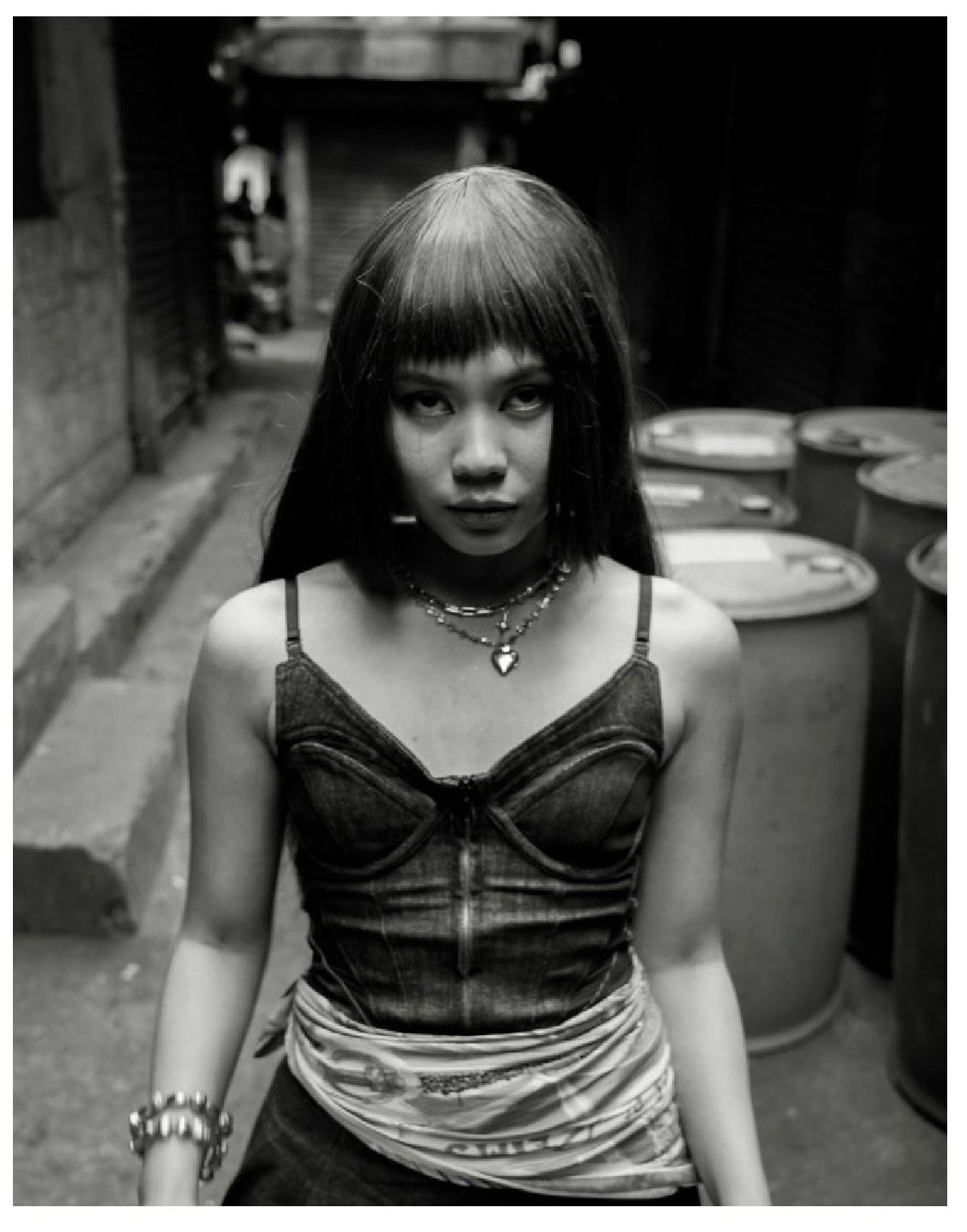
There was a time when Indian hip-hop seemed to come from a handful of postcodes, a certain kind of swagger, and occasionally a guy wearing sunglasses indoors. Then along came Reble, a rapper from Meghalaya with a punk spirit, trap instincts, philosophical bars, and the sort of stage presence that feels less “music industry” and more “local riot.”
Daiaphi Lamare aka Reble's rise is not merely the story of one artist doing exceedingly well. It says something larger, and much more interesting about where Indian hip-hop might be headed.
Also read: INTERVIEW | Meghalaya Rapper Reble's Dystopian Dreams, Punk Fury And The Making Of A South
Asian Classic-In-Progress
1. Lyricism Is Making A Comeback
For a while, hip-hop around the world appeared to suffer from what might generously be called “hook addiction.” Big beats, memorable choruses, vibes over vocabulary. Then arrives a track like Reble's Praying Mantis, a song built around metaphor, double meanings, philosophical tension, and the rather unsettling image of stillness disguising danger. It feels closer to poetry than playlist bait. The future of Indian rap may belong to artists like her who trust listeners enough to think.
2. Indian Hip-Hop No Longer Has A Pin Code
Once upon a streaming era, geography mattered. Mumbai had the Bollywood and indie scene. Delhi had the aggression. Bengaluru had the cool kids. The Northeast? Mostly ignored by mainstream music conversations, unless somebody suddenly remembered diversity existed during festival season. Reble changes that equation.
Coming out of Meghalaya, this 26-year-old hasn’t asked for permission to join the national conversation; she has simply barged into it carrying excellent bars. Reble represents the Northeast without turning herself into a tourism brochure. She doesn’t flatten identity into marketable aesthetics. The future of Indian hip-hop looks startlingly borderless. Talent from Shillong can now land in playlists beside artists from Mumbai, London or Atlanta, and nobody blinks. Spotify has destroyed geography in the same way WhatsApp destroyed the idea of peaceful afternoons!
3. The Underground And The Mainstream Will Keep Dating Each Other
There used to be this terrible fear among music fans that success ruins artists. One soundtrack appearance and suddenly everyone imagines compromise, expensive jackets, and emotionally vacant collabs. But Reble’s journey (from tracks like New Riot and Killswitch to massive film credits in the Dhurandhar franchise) suggests something else: artists can move between worlds without abandoning themselves. Hip-hop’s future may involve rappers who headline underground cyphers on Saturday and soundtrack blockbuster films by Wednesday. It sounds impossible until it happens.
4. Women In Indian Rap Are No Longer “Exceptions”
The most exhausting phrase in music journalism might be “female rapper,” which often arrives carrying the implication that women have wandered into rap accidentally, like someone entering the wrong wedding hall. Reble’s success dismantles that nonsense. She is succeeding because she is good. Aggressive when needed, poetic when required, technically sharp and emotionally intelligent. The future of Indian hip-hop looks less male-dominated and more talent-dominated.
5. Rage Will Become More Thoughtful
Reble’s music has fury in it, yes, but not the blunt-force variety. It is controlled, intelligent anger... the sort that pauses before speaking because it knows the sentence will hurt more. Hip-hop has always thrived on rebellion. But the next generation of artists may increasingly trade shouting for precision. Less screaming into microphones. More carefully sharpened sentences. Anger with editing.
6. Live Performance Will Matter Again
You cannot fake stage presence forever. At some point, audiences notice. Reble’s reputation has been built as much on live performance as streams: from massive festivals to viral pop-up cyphers in Shillong that spread across social media like good gossip. The future of Indian hip-hop won’t belong solely to streaming numbers. It will belong to artists who can stand in front of thousands of people and convince them they’re witnessing something urgent.
7. Genre Rules Are Dying
Hip-hop, trap, alternative, punk energy — Reble moves between them like someone ignoring traffic signs. Genre loyalty has always been ridiculous anyway. Nobody listens to music thinking, I would enjoy this emotional experience if only it obeyed categorisation. The future belongs to artists who borrow and create something messier but more alive.
Reble's latest music video for 'Praying Mantis'
Reble's latest music video for 'Praying Mantis' is shot entirely in black and white (Image courtesy the artist)
8. Viral Moments Will Matter But Not in the Way We Think
The Shillong cypher that went viral helped amplify Reble’s profile, certainly. But virality alone rarely sustains careers. People remember moments; they stay for substance. Indian hip-hop’s future probably belongs to artists who understand both: create the clip everyone shares, but also write songs worth revisiting once the algorithm gets bored.
9. Hip-Hop Is Becoming Less About Cool And More About Voice
The biggest thing Reble’s journey tells us is: audiences increasingly want authenticity over polish. Nobody cares if an artist looks expensive anymore. People want conviction, perspective, personality. Reble’s latest work, especially Praying Mantis, feels like someone growing more certain of who they are while becoming less interested in pleasing everybody.
Imitation is dull, and music, when it works, should feel like overhearing somebody tell the truth louder than everyone else in the room.