From Dining Table To Delivery App, Indian Families Are Drifting Apart. Can Restaurants Bring Them Back?
Total Views |


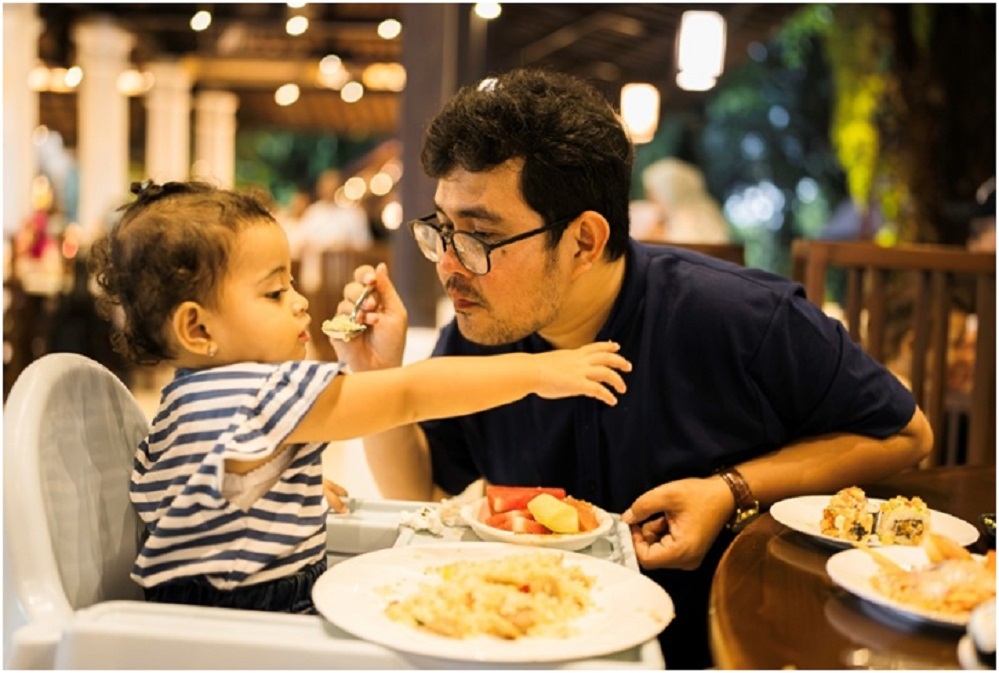
There was a time when dinner in an Indian household was not a flexible concept. It happened at a fixed hour, in a fixed place, with fixed people. Everyone showed up because that’s just what families did. Food was the excuse. Togetherness was the point.
Today, the dining table has become a storage unit. One person eats before the gym. Another eats after a late-night office call. A teenager eats in their room with headphones on. Someone else orders in and says, “I already ate.” Life hasn’t become less caring. It has simply become faster.
As Ritik Choudhary, Co-Founder of Benne dosa specialist eatery Tosi, points out, families are not choosing to stop eating together. “Life has become more individualised. Long commutes, different work schedules, screen time, and on-demand food delivery have changed how people interact around meals. Eating is convenient now but not necessarily shared.”
That’s the real shift. Earlier, meals were events. Now they are fuel stops. We count calories, scroll through phones, and multitask through dinner. Conversation has been replaced by content. Somewhere between Zoom calls and food delivery apps, we stopped looking at each other across the table.
Disappearing Family Ritual
The loss may seem small, but its impact isn’t. Family meals are where stories are told. Where children casually mention something important. Where parents pass on values without making it sound like a lecture. Eating together is about connection. When that disappears, something subtle weakens. Interestingly, the solution may not lie inside homes. It may lie outside them.
Rajendra Salgaonkar, Co-founder of Café Liliput in Anjuna, Goa which is celebrating its 40th anniversary has watched this cultural shift over four decades. He says, “While modern life has brought mobility and opportunity, it has also reduced the time families spend together. Restaurants are beginning to fill that gap. When families eat out, the pressures of cooking and cleaning disappear. Nobody is stressed about the kitchen. Nobody is rushing to clear the table.”
He would know. Café Liliput has evolved from a simple beachfront café into a place where families reconnect over shared meals, encouraged by a relaxed setting that invites conversation instead of hurried dining. This is where restaurants can play a larger role as community spaces of sorts.
What Are The Solutions?
If restaurants want to revive the ritual, they can focus on family platters, thalis, weekend brunch spreads which spark interaction. Special Sunday family discounts can make shared meals more affordable. Restaurants can design menus that appeal to multiple generations at once: comfort food for parents, kiddie menus with small portions, familiar favourites for grandparents, and something interesting enough for the foodie sibling.
Neighbourhood restaurants, especially, have an opportunity. As Ritik Choudhary says, “When a place offers comfort food, warm service, and an environment where conversations can happen without rush, people naturally slow down and reconnect.” Tosi has been designed as a neighbourhood space where families can walk in after a long day, share a dosa or filter coffee, and spend time together. Sometimes rebuilding community begins with something as simple as sitting across the same table again.
“Restaurants can also rethink seating layouts to accommodate larger family tables rather than just two-seaters. They can offer curated 'family time' packages for celebrations beyond birthdays: exam results, job promotions, anniversaries of moving into a new city,” suggests Rajendra Salgaonkar. The more reasons families have to gather around food, the stronger the ritual becomes.
Of course, restaurants cannot replace home. Nor should they. The responsibility still lies with families to prioritise shared meals. However, restaurants can act as neutral ground. Outside the stress of daily chores, families often behave differently; they are more patient and attentive. A change of setting can reset forgotten habits. Reviving the culture of eating together does not require a massive social campaign. It requires intention. One meal a week, one table, no screens, shared dishes.
There is a lot of talk about preserving Indian culture: festivals, languages and rituals. Perhaps one of the simplest traditions worth saving is sitting down together and eating. Sometimes, all it takes to rebuild connection is a reservation for four.