What Is Anthropic’s Claude Cowork AI Tool, And Why It Triggered A Fear In Investors: Explained
Total Views |


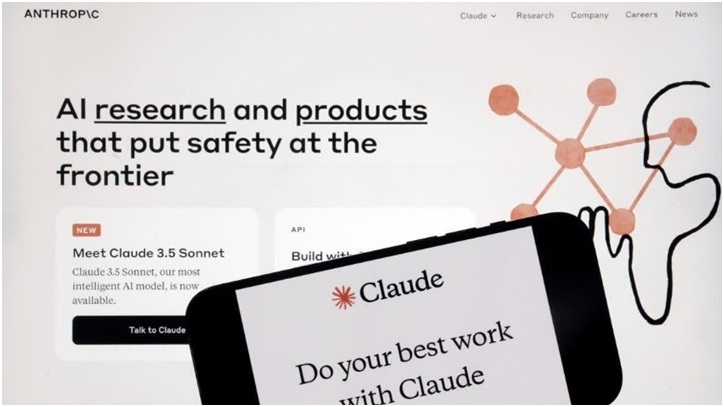
Anthropic recently rolled out 11 new plug-ins for enterprise users of its Claude Cowork Artificial Intelligence (AI) agent. These plug-ins covered several core business functions that were aimed at automating specialised departments, such as legal, sales, finance, marketing, data analysis, customer support, product management, productivity, biology research, enterprise search, and data/infrastructure.
This major update triggered anxiety across global technology markets, as analysts warned that AI might replace large parts of the software industry.
The concerns grew further as this upgrade allows the system not only to support staff within the existing software, but to also manage complete business workflows. As a result, investors are questioning whether traditional Software-as-a-Service (SaaS) platforms will still be needed, when AI can carry out complex tasks on its own.
How Does The New AI Tool Work?
The latest automation plug-ins go beyond basic assistance. These can handle full processes, like reviewing legal documents, checking compliance, planning sales, analysing marketing campaigns, reconciling finances, creating data visualisations, running SQL reports, and searching documents across an organisation.
In other words, many tasks that once required separate software subscriptions can now be done in one AI powered platform. Businesses may therefore rely less on traditional SaaS tools, and more on integrated AI workflow engines.
Market Reaction
The response was immediate. A Goldman Sachs index of US software stocks fell by about 6 per cent in one day, wiping out roughly US$ 285 billion in value. Technology shares led the drop on Nasdaq, as investors worried about the future earnings of subscription based software companies. Major players like Salesforce, Adobe, DocuSign, Workday, and ServiceNow, saw sharp declines. Legal and data focused firms like LegalZoom and Thomson Reuters were also hit hard, reflecting fears that AI could disrupt professional services software. The sell off spread beyond the US. Shares of Infosys and Wipro also fell, while global consultancies like Accenture and Cognizant lost close to 10 per cent market share. Investors are increasingly worried that AI automation could reduce demand for outsourced business processes and customised enterprise software. This is especially true of the Indian IT industry, which relies on thousands of human employees, whom AI agents threaten to replace.
Rising Competition
Anthropic’s move also puts it in direct competition with legal AI startups like Harvey AI and Legora. Unlike many rivals, Anthropic builds its own AI models, giving it more control over automation and faster rollout across enterprise workflows.
SaaSpocalypse
For years, analysts believed AI would help software companies by boosting productivity. Anthropic’s latest move has changed that view, raising the possibility that AI could replace entire categories of enterprise software.
Experts now see 2026 as a turning point. Companies will need to adapt to AI first workflows or risk becoming irrelevant. This dramatic shift has already been labelled the “SaaSpocalypse”.