Trump cuts India tariffs to 18% as Modi agrees to stop buying Russian oil
Total Views |


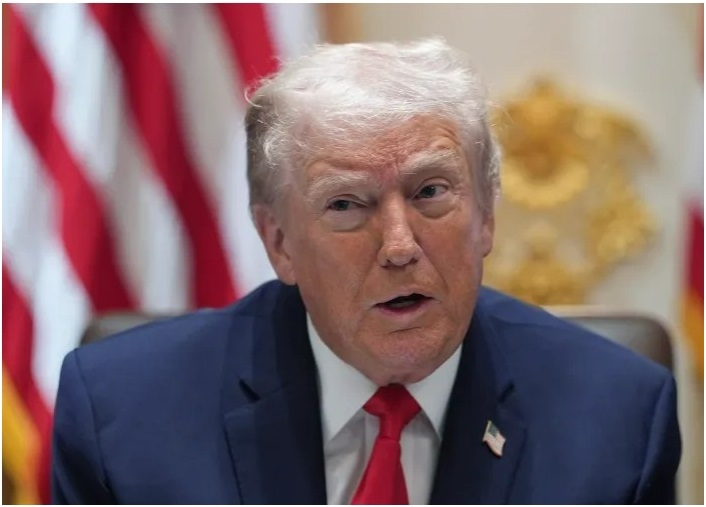
United States President Donald Trump has agreed to slash US tariffs on Indian goods to 18 percent from 50 percent in exchange for India lowering trade barriers as well as stopping its purchases of Russian oil and buying oil instead from the US and potentially Venezuela.
“Out of friendship and respect for Prime Minister Modi and, as per his request, effective immediately, we agreed to a Trade Deal between the United States and India, whereby the United States will charge a reduced Reciprocal Tariff, lowering it from 25% to 18%,” Trump said in a social media post following a call with Indian Prime Minister Narendra Modi.
A White House official told the Reuters news agency that the US was rescinding a punitive, 25 percent duty on all imports from India over its purchases of Russian oil that had stacked on top of a 25 percent “reciprocal” tariff rate.
Modi also committed to buying more than $500bn worth of US energy, technology, agricultural and other products, Trump added.
“Wonderful to speak with my dear friend President Trump today. Delighted that Made in India products will now have a reduced tariff of 18%,” Modi said in a social media post on X. “Big thanks to President Trump on behalf of the 1.4 billion people of India for this wonderful announcement.”
“The deal has definitely been some time in coming,” said Rachel Ziemba, adjunct senior fellow at the Center for a New American Society. “Eighteen percent puts it near the level for Southeast Asian goods into the US.”
But experts also cautioned that it may be too soon to say if this was a trade deal or a tariff deal.
“Prime Minister Modi welcomed the news, but didn’t reassert President Trump’s claim that India was lowering tariffs on US goods,” pointed out Vina Nadjibulla, vice president of research and strategy at the Asia Pacific Foundation of Canada. “It looks like for now a deal around tariffs and de-escalation of tariffs…. It’s still an important breakthrough.”
Last August, Trump doubled duties on imports from India to 50 percent to pressure New Delhi to stop buying Russian oil, and earlier this month said the rate could rise again if it did not curb its purchases.