What Makes A Good Dosa Truly Authentic In Today’s Fast Food World?
Total Views |


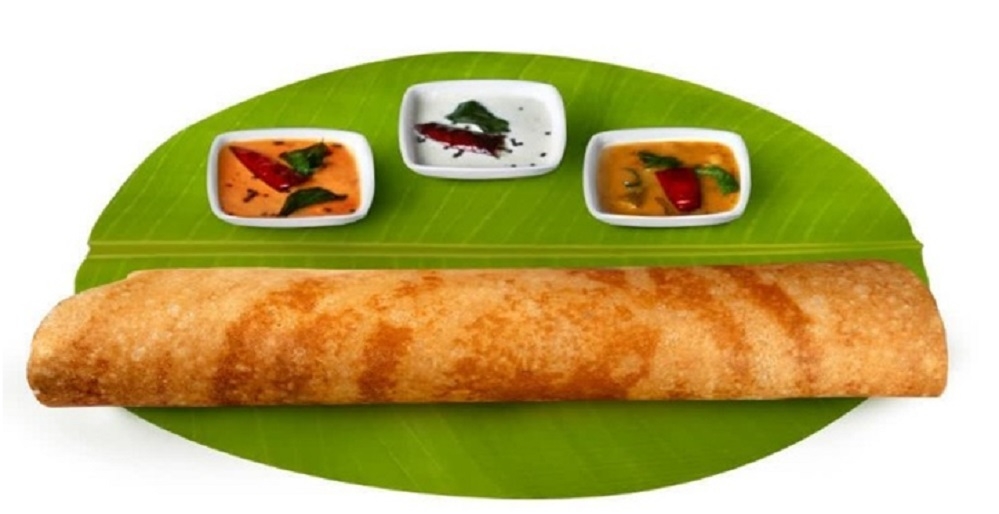
If you think a dosa begins when the waiter shouts “One masala!” into the kitchen, you are mistaken. A truly authentic dosa begins 12 to 24 hours earlier. Sometimes more. It begins in fermentation. Says Ritik Goker Choudhary, Co-founder of Tosi, “Fermentation is the life force of the dish. It creates depth, lightness, digestibility, and that distinct tang that defines a good dosa.”
Rice and urad dal sit together. Wild bacteria do their invisible work. The batter rises slightly. Tiny air pockets form. The aroma changes from bland to mildly sour. That slight tang is well-earned. If your dosa tastes flat, dense, or slightly raw even when cooked, chances are the fermentation wasn’t respected.
Most people think dosa is about rice. Rice gives the crispness, yes. But urad dal determines softness and structure. “Too little urad dal and your dosa becomes brittle, like a papad that went to finishing school. Too much and it turns spongy, losing that delicate balance between crisp edge and airy centre,” says restaurateur Ritik.
Then there’s the humble fenugreek seed. It enhances flavour, supports better fermentation and adds subtle complexity. Isn’t it fascinating how something so small can change the outcome so dramatically?
A dosa is not poured. It is spread. There is a circular motion on a hot, seasoned cast-iron tawa. The ladle touches the batter and moves outward in widening spirals. “The heat must be balanced... not so high that it burns, not so low that it hardens. If the tawa is too hot, the batter won’t spread properly. If it’s too cool, the dosa turns pale and rubbery,” says Harish Alapati, who runs a popular dosa stall in Secunderabad. The edges turn crisp and lacy. The centre remains light and airy. “You can actually hear a good dosa before you taste it: the gentle hiss of batter meeting iron. You can smell the aroma of toasted grain rising in the air,” adds Ritik. In fact, if you close your eyes in a traditional South Indian kitchen, you’ll know whether the dosa is good before it reaches your plate.