Abhishek’s Duck Walk Continues In Nightmarish World Cup
Total Views |


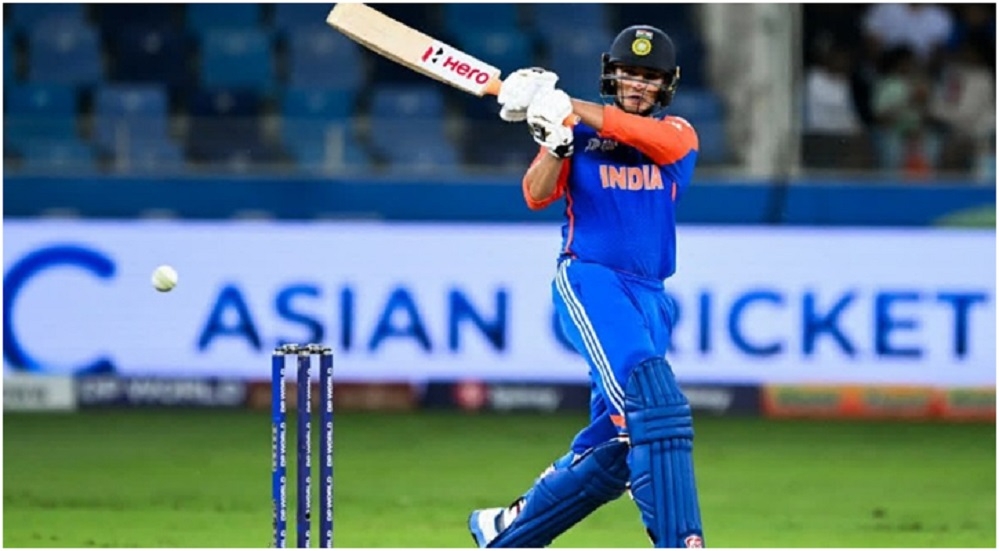
Another evening, another false start, and for Abhishek Sharma the World Cup has begun to feel like a corridor with no doors. Three innings, three ducks and one match missed due to illness. Numbers so stark they no longer need context. This latest one — a third-ball dismissal to Aryan Dutt of the Netherlands, leg stump uprooted, a swipe that arrived too early and too hard — did more than just put India at 0 for 1. It shifted the emotional tempo of the innings before it had even found a pulse.
Abhishek is not just another top-order batter, he is meant to be ignition. He is meant to take the new ball and bend it, to impose tempo on a fielding side still settling into its angles and lengths. When he fails, especially in this abject fashion — early, abrupt, almost impatiently and now looks, regularly — India lose more than a wicket.
They lose momentum and growth. This is what makes the sequence so unsettling. It isn’t merely that he is getting out. It is the pattern of dismissal, the repetition of the same hurried note. A push at the ball too soon. A swipe born of anxiety rather than calculation. The sense of a player trying to outrun a lean patch rather than bat through it.
Against stronger sides, like South Africa waiting in the wings for a much more important match, that will cost India control. Against minnows, it costs authority but nothing else. India’s batting template in this tournament has been built around early dominance — a platform that allows the middle order to play with range and imagination. But 0 for 1 inside the first over alters the geometry immediately.
The field comes in, the bowlers smell hesitation, and suddenly the innings is not being dictated — it is being negotiated. You could see it in the body language that followed this latestdismissal. The brief stillness. The slight tightening of shoulders.
The awareness that what should have been a free-flowing start now required repair work. And that is the quiet danger of Abhishek’s run of ducks — it remove runs and redistributes pressure. There is, of course, a longer view to be taken. Abhishek’s rise has been built on fearless strokeplay, on the very instinct that now seems to be misfiring. Players like him rarely correct course by becoming cautious.
They find rhythm by rediscovering clarity. But World Cups are impatient places. They don’t wait for rediscovery. For India, the question is becoming less about form and more about timing. How long can the team afford to absorb these early blows before it begins to dent their larger campaign? In a short tournament, momentum is a currency you cannot squander repeatedly.
For Abhishek, it is simpler and harder at once. One run. One clean contact. One innings that lasts beyond the first few balls. That is all it might take to break the bad spell. But until that comes, every walk to the crease carries the weight of the last three. Three innings. Three ducks. And a powerplay that gets stymied defeating original strategy.