When Healthy Food Turns Into The Villain: Everyday Food And Medicine Interactions You Should Be Careful About
Total Views |


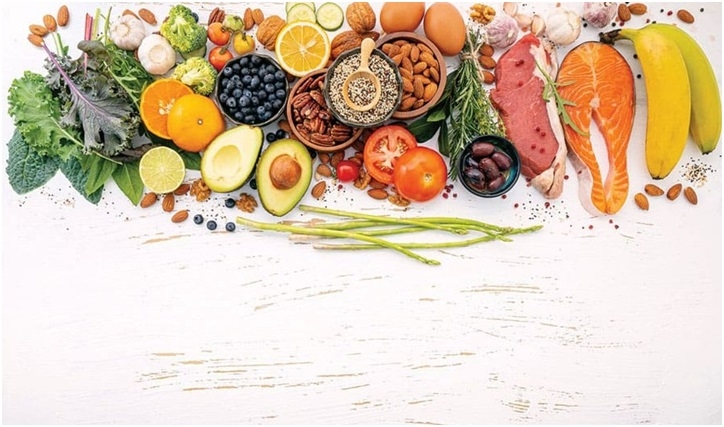
It’s morning. You wake up late. You gulp down your blood pressure pill with chai. Maybe grab a banana or a bowl of cornflakes. You feel responsible. And yet, without knowing it, you may have just cancelled out half the effect of that medicine. It's because of a silent mismatch between what you ate and what you swallowed.
Here’s the most Indian habit of all: We take medicines seriously. We take food seriously. We almost never think about how the two interact. We don’t tell doctors about our diet. We forget to mention supplements, herbal powders, protein shakes, or “just vitamins.” We assume that if it’s natural, it’s harmless.
As Jeevan Kasara, Chairman of Steris Healthcare, points out, most people have no idea this is happening. “Many people take medicines that are prescribed for daily use without realizing that regular foods can drastically change the working of the drugs.” That’s why doctors often say, “Empty stomach” not because they enjoy making your mornings miserable, but because timing matters.
Kasara describes certain food-medicine combinations that are best avoided.
Grapefruit
In classic Indian fashion, we assume “medicine hai, kaam karegi”. But the truth is more complicated. Take grapefruit, for example. It has become the poster child of food-drug chaos. If you’re taking medicines for heart problems, blood pressure, or cholesterol, grapefruit can interfere with enzymes that normally break down the drug. The result? The medicine stays in your body longer than it should.
That “extra” medicine can act like an overdose, raising the risk of side effects without increasing benefits.
Leafy Vegetables
Now take leafy greens: spinach, kale, methi, sarson ka saag. Yes, they’re healthy. But they’re also rich in vitamin K, which can reduce the effect of blood-thinning medicines if eaten irregularly. So it’s not that you must stop eating greens. It’s that your body prefers consistency. Your medicine gets confused if you change your diet every day. When medicine is confused, results get unpredictable.
Milk
Milk is comforting. Milk is safe, except when you’re taking certain medicines. Dairy products like milk, curd, and yoghurt can bind to some antibiotics and thyroid medicines, stopping them from being fully absorbed. Basically, the medicine reaches your stomach… and then never really gets to do its job.
Alcohol
This one shouldn’t surprise anyone. Alcohol doesn’t “sometimes” interfere with medicines. It almost always does. Mix alcohol with painkillers, and your liver takes a hit. Add it to antibiotics or antidepressants, and you may feel dizzy, drowsy, or emotionally all over the place. Combine it with diabetes medication, and your blood sugar can swing wildly. As Kasara bluntly puts it, alcohol can make side effects “dangerous to the liver and the nervous system.”
Chai and Coffee
In India, caffeine is practically a religion, but caffeine can double side effects of certain asthma and cold medicines: things like restlessness, anxiety, and a racing heart. If you’ve ever felt unusually jittery after combining cough syrup with coffee, now you know why.
High-fibre foods (think oats, bran, whole grains) can also slow down how quickly some medicines are absorbed.
A small dietary tweak (changing when you eat, not what you eat) can dramatically improve how well your medicine works. “The safest way is to take medicines exactly as the instructions show,” Kasara emphasizes. “Always remember to inform your doctor about your diet, vitamins, and herbal products.”
Quick Tips
Read medicine instructions properly
Ask your doctor or pharmacist simple questions like: “Can I take this with food?” “Is milk okay?” “Any foods to avoid?”
Be consistent with your diet if you’re on long-term medication
Mention supplements, herbal products, and “health powders” without embarrassment. Because medicine doesn’t work in isolation