GBS Cases Rise In Malwa: Two Children Dead In Neemuch, Health Department On High Alert
Total Views |


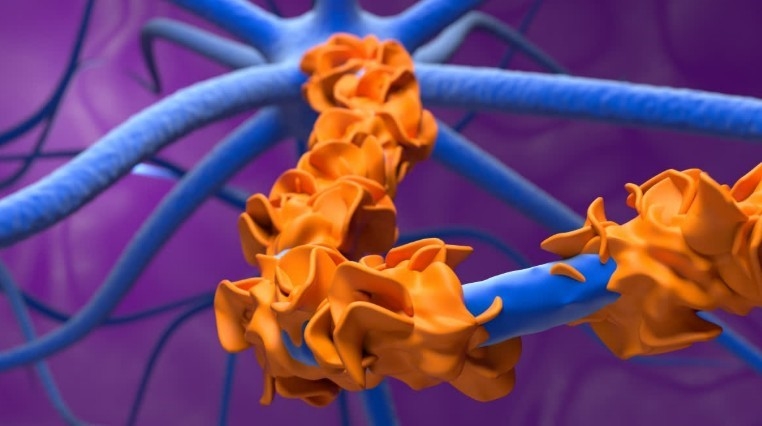
A spike in cases of Guillain-Barré Syndrome (GBS), a rare neurological disorder, has put the health officials on high alert across parts of the Malwa region in Madhya Pradesh. In Neemuch district, two children have died due to the disease, while 17 cases have been confirmed so far.
Meanwhile, two patients have also been identified in Mandsaur district’s Garoth and Suwasra areas, prompting intensified surveillance in neighbouring districts. Health officials said teams from the district administration, the state health department and the World Health Organisation (WHO) are jointly monitoring the situation.
Although GBS cases have been reported in Neemuch and Mandsaur in previous years, officials noted that the pace of infections this time is significantly higher, particularly in Neemuch’s Manasa block. Most of the affected patients are children aged between four and 17 years.
Explaining the nature of the illness, Ratlam district hospital infectious disease specialist Dr Gaurav Boriwal said GBS is believed to be linked to bacterial or viral infections, though its exact cause remains unclear. “Consumption of contaminated water, stale food, or unhygienic meat and eggs may increase the risk,” he said.
Dr Boriwal added that the disease causes progressive muscle weakness, tingling and numbness in the legs, loss of balance and difficulty in standing. “The weakness usually begins in the lower limbs and gradually moves upwards. The respiratory system may also be affected, and in severe cases, there is a possibility of paralysis and even death,” he warned.
On preventive measures, Dr Boriwal stressed the need for strict hygiene at home, drinking clean and boiled water, and avoiding contaminated food. “GBS does not spread through touch or close contact like other infectious diseases, but early medical attention is crucial. If treated in the initial stage, patients can recover fully,” he said.
Following the detection of suspected cases in Manasa, Garoth and Suwasra, the health department has intensified door-to-door surveys in affected areas. Water samples are being collected for testing, and patients showing symptoms are being closely observed to rule out GBS.
Neemuch Collector Himanshu Chandra stated that continuous monitoring is underway in the affected area. “Health teams are conducting household surveys, and adequate treatment facilities have been ensured at the district hospital. Arrangements for oxygen support and immune-boosting injections have also been made,” he said. Neemuch Chief Medical and Health Officer (CMHO) Dr RK Khaghout said efforts are on to trace the root cause of the outbreak. “People in affected areas have been advised to boil drinking water and maintain strict cleanliness,” he added.
Notably, Mandsaur’s Multanpura village had reported six GBS cases about five months ago, and similar cases were recorded in Neemuch and Mandsaur over the past two to three years. With the positive cases in Neemuch and suspected cases in Mandsaur, health authorities and WHO teams are now investigating why the disease appears to be recurring in these specific districts. The health department has also placed Ratlam district on alert, though no cases have been reported there so far. Divisional Commissioner Ashish Singh has directed officials across Malwa to remain vigilant and ensure preventive measures are strictly followed.