Cambridge Dictionary Names ‘Parasocial’ Word of the Year
01 Dec 2025 16:18:04
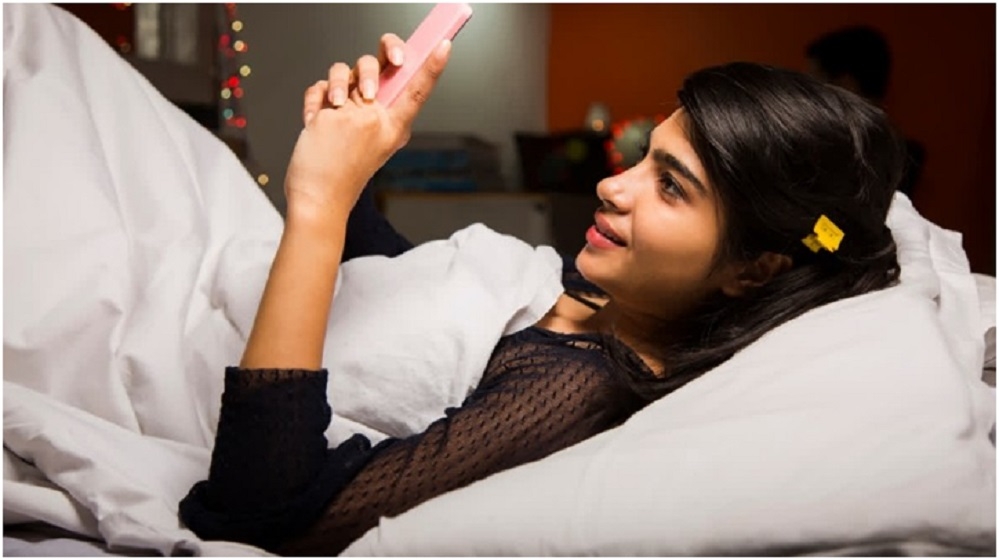
New Delhi : There is a thin line between many things, and as our digital lives touch us every day and every hour, the boundary between reality and imagination is becoming increasingly blurred. In 2025, there has been a surge in emotional attachments to people whom individuals have never met, such as celebrities, influencers and even Artificial Intelligence (AI) bots.
Reflecting this cultural shift, the Cambridge Dictionary named 'Parasocial' the Word of the Year, highlighting the growing influence of one-way relationships on fandom, identity, and online culture.
The Cambridge Dictionary defines 'Parasocial' as a connection someone feels with a famous person, fictional character or artificial intelligence, despite not personally knowing them.
Why Parasocial?
As social media makes fans feel even closer to their favourite celebrities, and AI companions with unique personalities become more common, ‘Parasocial’, used to describe these one-sided relationships, is gaining attention.
Searches for ‘Parasocial’ on the Cambridge Dictionary soared on June 30, 2025, after YouTube streamer IShowSpeed blocked a fan who called himself his “number 1 parasocial.”
Interest in the word had already been growing, fueled by discussions on social media about whether marketers and influencers are exploiting these types of relationships.
In June, searches spiked again as news outlets reported on Meta, OpenAI, and concerns about how chatbots might impact children’s mental health. By September 2025, the Cambridge Dictionary updated its definition of ‘Parasocial’ to include relationships with AI.
A recent example is when Taylor Swift, an American singer-songwriter, announced her engagement to footballer Travis Kelce. Many fans felt a deep connection to the couple, despite never having met them.
Parasocial relationships with AI bots illustrate this phenomenon as people rely on tools like ChatGPT as confidants, friends, or even romantic partners. These emotionally meaningful and sometimes troubling connections raise concerns about the societal consequences of digital attachment.
Parasocial’s History
The term parasocial dates back to 1956, when University of Chicago sociologists Donald Horton and Richard Wohl observed television viewers engaged in "para-social" relationships with on-screen personalities, resembling those they formed with "real" family and friends.
They noted how the rapidly expanding medium of television brought the faces of actors directly into viewers' homes, making them fixtures in people's lives.
In 2025, the "chronically online" developed parasocial relationships with YouTubers and influencers whom they feel they know, becoming invested in all the twists and turns of their personal lives.
Other Words That Made An Impact In 2025
Slop: When the content on the internet is of very low quality, especially when it is created by AI.
Pseudonymization: It is a process in which information that relates to a particular person is changed to a number or name that has no meaning, making it impossible to identify who the information relates to.
Vibey: It refers to a place that has a positive, energetic atmosphere (good vibes).
Breathwork: This term refers to a technique that involves the conscious control of your breathing, aiming to produce physical and mental benefits.
Doomspending: It refers to the activity of spending money that you cannot afford to make yourself feel better. People sometimes engage in it when they feel anxious and uncertain about the future.
Memeify: The term refers to turning an event, image or person into a meme (an idea, joke, image, or video that spreads very quickly on the internet).