Bird Flu Has Learned To Survive Human Fever, Making It Tougher To Stop: US Researchers
01 Dec 2025 15:57:18
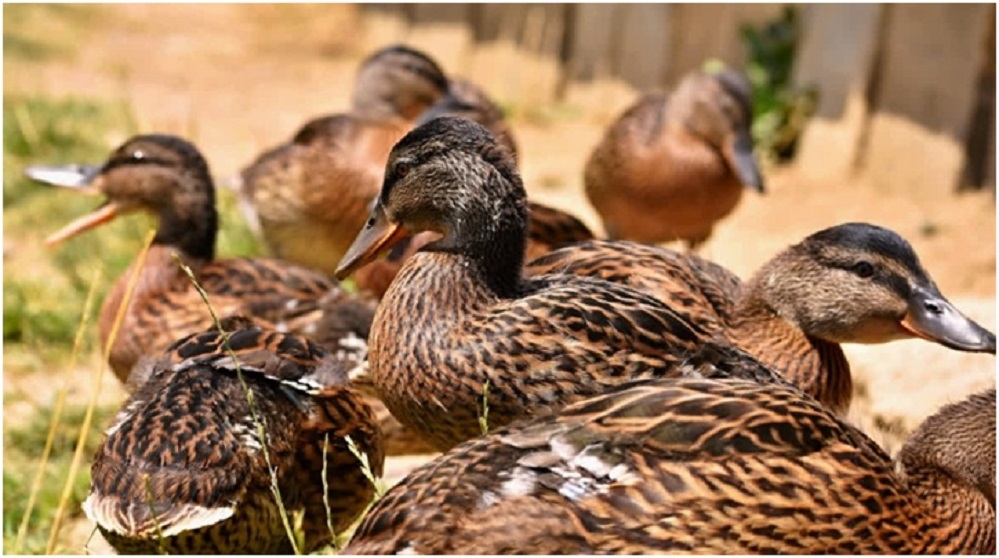
For decades, one of humanity’s simplest defensive tools has been fever. When a virus enters the body, we turn up the thermostat. Elevate the temperature high enough, and many viruses simply cannot replicate. But what happens when a virus decides the heat doesn’t bother it? This question sits at the heart of a study published in Science, where researchers from Cambridge and Glasgow unravel why bird flu (a virus otherwise content in the guts of ducks, where temperatures soar to 40-42°C) has such troubling potential in humans.
Human flu viruses prefer the cooler real estate of our upper respiratory tract, at roughly 33°C. Bird flu, on the other hand, gravitates toward the warmer depths of the lungs. Yet when the two types of viruses mingle, as they have in past pandemics, something alarming happens: genetic material gets exchanged, and with it, temperature preferences.
The researchers focused on a single viral gene, PB1, that acts almost like a thermostat inside the virus. In the human pandemics of 1957 and 1968, this PB1 gene appears to have jumped from avian strains into human flu viruses, granting them the ability to function at higher temperatures. It made the resulting viruses fitter, tougher, more capable of thriving in an environment meant to stop them. The fever defence, suddenly, wasn’t much of a defence at all.
To explore this phenomenon, the Cambridge-Glasgow team turned to mice. Mice, for better or worse, don’t develop fevers from influenza A infection. So the researchers raised the temperature of the room instead, creating an artificial fever. When human-origin flu viruses entered these warmer mice, their replication slowed dramatically. In fact, a mere two-degree increase (akin to a mild fever) was enough to turn a lethal dose into a manageable illness. But avian-origin viruses refused to be fazed.
Viruses engineered to carry the avian PB1 gene replicated just fine in the heat. They caused severe disease, undeterred by the fever-like conditions. The implication was unsettling: if a flu virus with this avian gene finds its way into humans (either directly from birds or through the genetic mixing bowl of pigs), the fever response may be futile.
This gene swapping, known as reassortment, is the influenza equivalent of musical chairs. When two strains infect the same host, they can trade genetic segments.
Dr Matt Turnbull, the first author of the study, from the Medical Research Council Centre for Virus Research at the University of Glasgow said: “The ability of viruses to swap genes is a continued source of threat for emerging flu viruses. We’ve seen it happen before during previous pandemics, such as in 1957 and 1968, where a human virus swapped its PB1 gene with that from an avian strain. This may help explain why these pandemics caused serious illness in people.”
Senior author Professor Sam Wilson, from the Cambridge Institute of Therapeutic Immunology and Infectious Disease at the University of Cambridge, said: “Thankfully, humans don’t tend to get infected by bird flu viruses very frequently, but we still see dozens of human cases a year. Bird flu fatality rates in humans have traditionally been worryingly high, such as in historic H5N1 infections that caused more than 40% mortality.”
Professor Wendy Barclay, Chair of the Medical Research Council (MRC) Infections and Immunity Board, points out that different animals carry different baseline temperatures, and influenza evolves accordingly. A virus accustomed to the heat of a bird’s gut doesn’t blink at human fever. She said: “These findings have important implications for when and how to use drugs to control the fever that is associated with an influenza infection, and may also help us to understand why the disease from some influenza outbreaks is more severe.”
The Cambridge-Glasgow study doesn’t claim to have the final word on treatment protocols, but it offers a framework for thinking differently about viral adaptation.