National Nutrition Week: Foods That Calm An Inflamed Stomach
Total Views |


There are days when the stomach seems to have acquired a personality of its own. A cup of coffee that once meant the beginning of the day now brings burning. A plate of spicy food leaves behind a small, persistent protest.
Gastritis is one reason this can happen. The stomach has its own protective layer of mucus, which stands between its delicate lining and the powerful acid it produces to digest food. When that defence is irritated or weakened, foods and drinks that are otherwise perfectly ordinary can become uncomfortable. This is where nutrition matters. Halfway through National Nutrition Week, Dr Narendra K Shetty, Chief Wellness Officer, Kshemavana Naturopathy and Yoga Center shared with ETV Bharat the nutritional balm for an irritated stomach.
What To Avoid Eating
“Certain foods and drinks can aggravate gastric irritation. Spicy foods and chilli peppers are among the familiar offenders. They contain capsaicin, the compound responsible for the heat in peppers. Capsaicin can irritate nerve endings in the stomach wall and affect the tight junctions between cells, allowing acid to penetrate the stomach lining deeper,” holistic health expert Dr Narendra K Shetty says.
Then there are citrus fruits and tomatoes. They contain acids such as citric, malic and ascorbic acid. For someone with an already irritated stomach, these acidic foods may produce a sensation of stinging or pain. Deep-fried and high-fat foods can create another problem. Foods such as French fries, fatty meats and heavy creams can slow gastric emptying. The stomach takes longer to deal with a rich, fatty meal, potentially prolonging the discomfort.
Among stimulants, coffee can be equally troublesome for some people. Dr Shetty says that coffee contains naturally occurring acids, including chlorogenic acids, and caffeine may contribute to gastric acid secretion. Coffee can also relax the lower oesophageal sphincter, potentially making acid reflux more likely. Alcohol is another clear irritant. Ethanol can weaken the stomach's protective mucus barrier and increase contact between stomach acid and the underlying tissue, contributing to irritation and, in heavier exposure, erosion or bleeding.
Oats
A bowl of warm porridge has little drama about it. It does not announce itself. It simply sits there, soft and uncomplicated. Oatmeal and well-cooked grains such as rice can be easier to tolerate when the stomach is irritated. Oats contain soluble fibre, including beta-glucan, which forms a gel-like consistency when mixed with fluid. Soft, well-cooked foods are also relatively easy to digest and can provide energy without adding large amounts of fat. So, for someone experiencing gastric discomfort, a simple bowl of porridge is a more comfortable choice of breakfast.
Ripe bananas
Ripe bananas and papayas are also among the foods Dr Shetty recommends for a sensitive stomach. They are relatively low in acidity and provide fibre and other nutrients. Bananas contain pectin, while papaya contains papain, an enzyme involved in protein digestion. Their soft texture also makes them relatively easy to eat when appetite is low or the stomach feels unsettled.
Lean Protein Can Help Without Adding Too Much Fat
An inflamed stomach does not mean protein has to disappear from the plate. Lean, steamed sources such as chicken breast, white fish and tofu provide protein without the heavier fat load associated with some cuts of red meat and fried preparations. Protein supplies amino acids needed for tissue maintenance and repair. The important distinction is often not protein versus no protein, but how that protein is prepared. Steamed chicken is a very different proposition for an irritated stomach from fried chicken covered in chilli and oil.
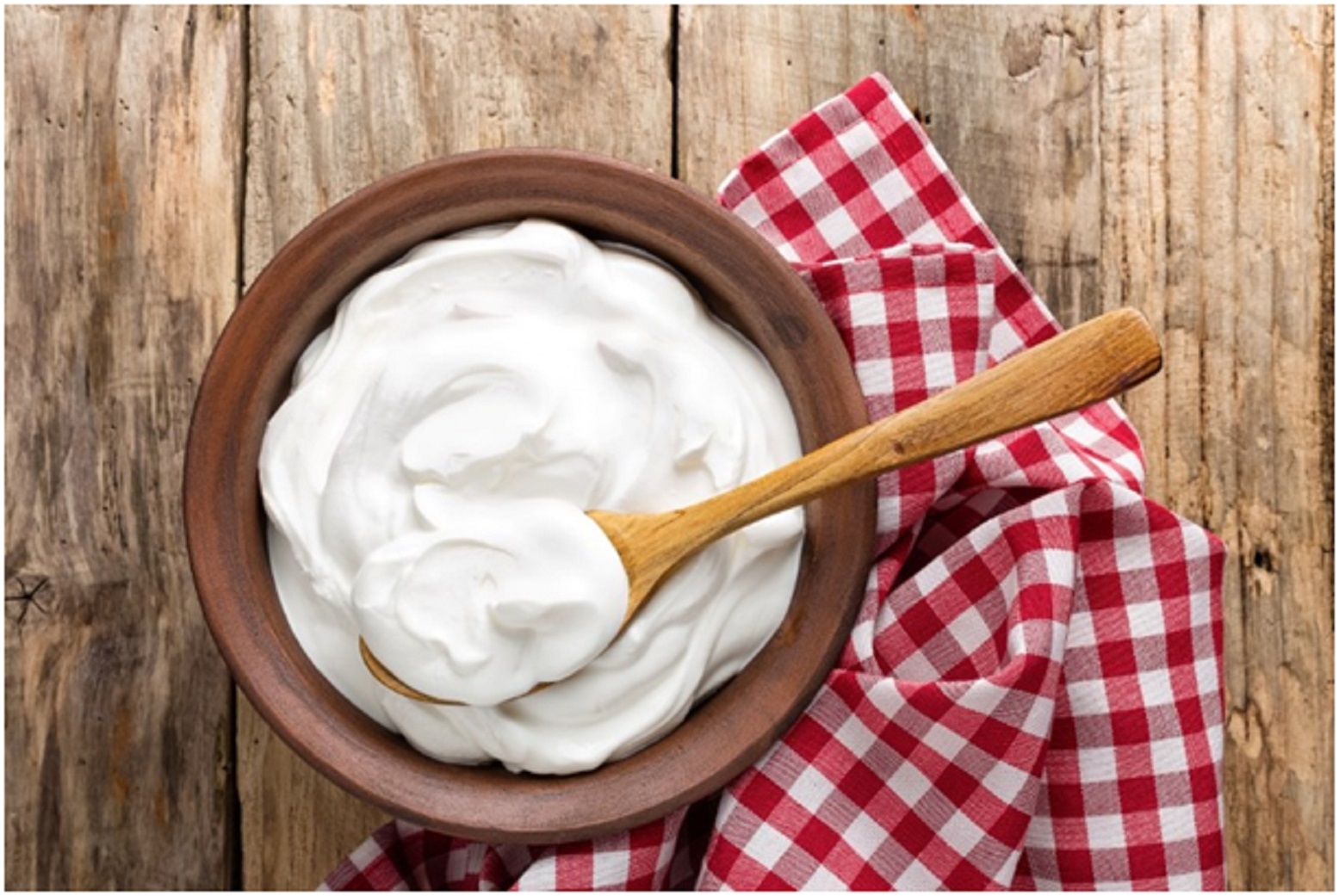
A bowl of curd
“Fermented dairy foods such as plain yoghurt and curd contain live bacterial cultures, including Lactobacillus and Bifidobacterium strains. These microorganisms can influence the gut environment and produce compounds such as short-chain fatty acids that support the intestinal lining. Some probiotic strains have also been studied for their potential role in suppressing Helicobacter pylori, a bacterium associated with chronic gastritis and peptic ulcers,” says Dr Shetty.
However, there is an important distinction here: yoghurt or curd should not be considered a treatment for H. pylori infection. If H. pylori is responsible for gastritis, it requires appropriate medical diagnosis and treatment. Since everyone's stomach behaves differently, dairy may soothe one person and worsen symptoms in another; particularly if lactose intolerance or reflux is also present.
Vegetable broth
When eating feels difficult, a mild vegetable broth or bone broth can provide fluid and some nutrition without the bulk of a large solid meal. Dr Shetty points to nutrients such as glutamine and glycine in broths as potentially supportive of the cells lining the gastrointestinal tract. But again, the larger practical advantage may simply be that a mild broth is warm, hydrating and easy to consume.
There is an understandable temptation to turn gastritis into a list: eat this, avoid that, and everything will be fine. Human digestion is rarely so cooperative, according to Dr Shetty. Gastritis can have several causes, including infections such as H. pylori, certain medicines, alcohol and other forms of irritation. Food choices can help manage symptoms, but they do not necessarily address the underlying cause.