Dating Trend: Travel Is Becoming The Best Icebreaker
Total Views |


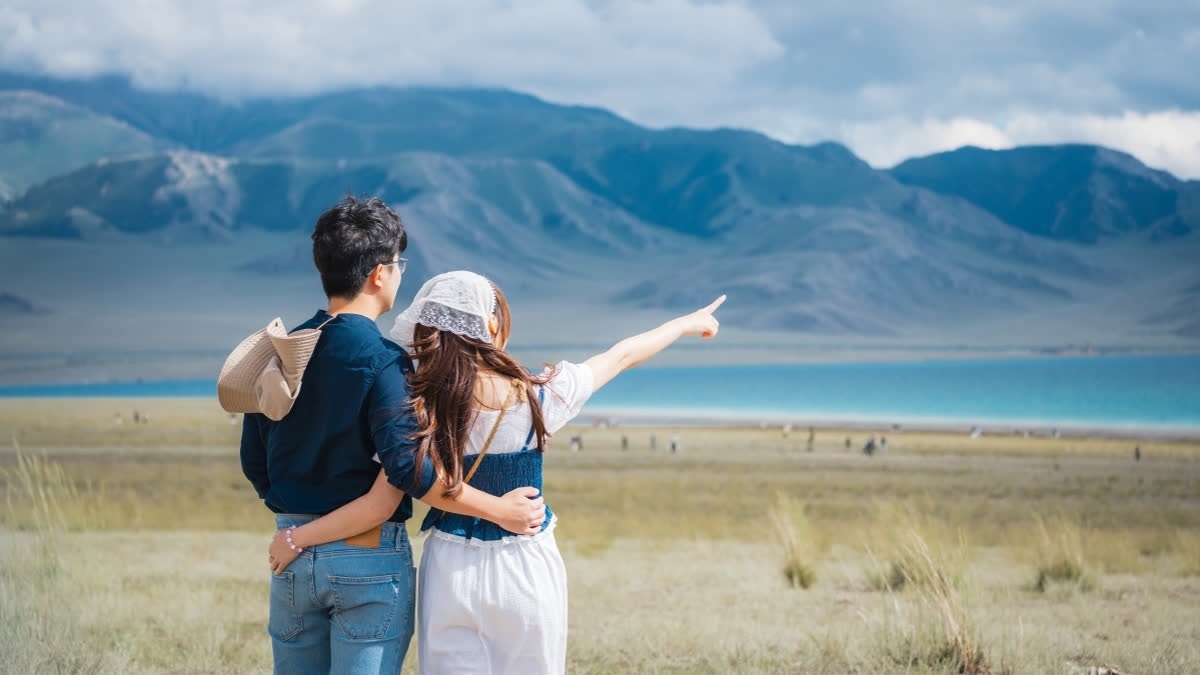
There was a time when finding a good romantic match meant someone who lived nearby, went to a similar college, spoke your language and understood exactly what you meant when you said, “Let’s meet near that place next to the signal.” Young Indians today are increasingly looking beyond familiar cities, cultures and even countries when meeting new people. And travel is emerging as one of the easiest ways to start those conversations.
On dating app Tinder in India, travel ranks as the third most popular interest among users aged 18 to 25. It makes sense. Asking someone about their favourite trip is a lot more revealing than the standard dating-app exchange of “What do you do?” For one thing, travel comes with stories, and stories tell you much more about a person.
What Your Favourite Trip Says About You
Ask someone about their favourite holiday and you might expect a list of places. Instead, you often get a glimpse into their personality. Maybe they talk about the street food they discovered, or remember a family tradition they encountered. Maybe they tell you about getting completely lost and somehow having the best day of the trip, or they explain in detail why their entire holiday was ruined because their hotel had the wrong kind of breakfast.
“If someone is a good traveller, it instinctually makes them good company to have around. I like people who go on long hikes and have a taste for adventure, so it's the first conversation I have when someone swipes right,” says pilates instructor Manali Jugnu.
All of this is useful information.
As Dr. Chandni Tugnait, Relationship Expert at Tinder India, explains, travel can reveal how comfortable someone is with uncertainty, whether they are curious about other cultures, how adaptable they are and whether they enjoy trying things outside their usual routine. Travel has evolved beyond being a hobby. It has become a window into how someone experiences life.
The Dating Pool Is Getting Bigger
Young Indian singles aren't only travelling more. They're also becoming more open to meeting people from different places. Tinder's Passport Mode offers an interesting glimpse into this change. Indian users are exploring connections in cities including New Delhi, Bengaluru, Mumbai, Kolkata, Pune, Gurugram, Hyderabad, Chandigarh, Chennai and Noida, as well as international cities such as Dubai, Los Angeles, New York, Amsterdam, Kathmandu, Lahore, Manila, Pattaya and Singapore.
At the country level, the USA, UAE, Thailand, Nepal, Philippines, Pakistan, Australia, the Netherlands, Japan and Spain are among the popular choices. That's quite a change from the traditional idea that the person you're likely to date is someone who lives within a reasonable cab ride of your house.
The openness isn't merely anecdotal. Forty-one per cent of young singles in India say they are open to dating someone from another city, while 33% are open to starting a relationship with someone in another country. “I am open to a long-distance, cross-country relationship, since I travel abroad quite often for work, and would like to date someone who is a global citizen,” says angel investor Binoy Inamdar.
Similar Backgrounds Aren't The Only Definition of Compatibility
For earlier generations, shared backgrounds often played a major role in deciding whether two people were compatible. Same community, upbringing, language and family values. There was comfort in knowing that the other person already understood the cultural shorthand. But younger Indians seem increasingly interested in something else: discovering how much they can learn from another person. Dr. Chandni describes this as a shift in how young adults think about relationships. “Emotional compatibility,” she says, “can exist across cultures, languages and geographies.”
That doesn't mean differences are suddenly irrelevant. They can make relationships more complicated. But they can also make them more interesting. Someone who grew up differently might introduce you to a food you've never tried, a tradition you don't know, a completely different family dynamic or an opinion that makes you reconsider something you've always taken for granted.
What Your Passport Mode Picks Might Say About Your Dating Style
No, choosing New York doesn't mean you're automatically ambitious, and choosing Kathmandu doesn't mean you've achieved inner peace. But the destinations people gravitate towards can offer some entertaining clues about the experiences they enjoy.
1. The Cosmopolitan Connector
New York, Los Angeles, Dubai, Mumbai, Gurugram, Bengaluru and Singapore
You probably enjoy energy, variety and being around people who are doing interesting things. You may be drawn to partners who are ambitious, curious and keen to keep learning. Your ideal relationship might involve two busy careers, several WhatsApp groups and a shared calendar that has somehow become more complicated than your taxes.
2. The Cultural Curator
Delhi, Kolkata, Hyderabad, Amsterdam, Japan, Spain and Lahore
You like stories about food, family, history, music, art and literature. Small talk is fine, but you would much rather know why someone's grandmother makes a particular dish every Sunday or which neighbourhood restaurant they would defend with their life.
3. The Mindful Mellow
Kathmandu, Nepal and Australia
You aren't necessarily interested in squeezing 14 attractions into one afternoon. Nature, balance and slower experiences appeal to you. You may prefer people who value authenticity and being present rather than constantly looking for the next exciting thing. Your perfect date could involve a long walk, good conversation and absolutely no one checking the time every eight minutes.
4. The Fun-Loving Adventurer
Thailand, Pattaya and the Philippines
You like spontaneity. You want someone who can turn an ordinary Saturday into a memorable one, whether that means trying something new, discovering a great restaurant or making an entirely unnecessary plan at 10 p.m.
Dating apps have given us access to more potential matches than ever before. They have also given us an extraordinary number of conversations that begin generically. Travel gives people an easier opening. Instead of asking someone what they do for a living, try: “What's one thing people always get wrong about your city?” Or “What's a local tradition everyone should experience at least once?”