World Physiotherapy Day: Sitting All Day Hurting Your Body? How Physiotherapy Can Help Undo The Damage
Total Views |


There was a time when having a desk job sounded comfortable. You sat in a chair, worked on a computer and came home. What could possibly go wrong? Quite a lot. Today, people in their 20s and 30s are increasingly showing up with problems that were once more commonly associated with older adults: neck pain, back pain, shoulder stiffness, headaches, tight hips and weak muscles due to long hours doing almost nothing except sitting.
Because the pain is initially manageable, we do what busy people do: ignore it. On World Physiotherapy Day, ETV Bharat talked to physiotherapists about the small movement problems that gradually become persistent ones.
Your Body Was Designed To Move
The human body is good at adapting to what we ask of it. Unfortunately, this works both ways. If you regularly move, walk, stretch and use your muscles, the body adapts to movement. If you spend most of the day in one position, it adapts to that too.
Dr Smita Ingle, Director - Physiotherapy/Occupational Therapy Rehabilitation, Ruby Hall Clinic in Pune, says she is seeing more patients in their 20 and 30s with neck and back pain, recurrent headaches and shoulder stiffness. “Often, there isn't one obvious injury to blame. Instead, the problem develops gradually through prolonged sitting, poor posture and insufficient physical activity. After several hours at a desk, muscles and joints can come under sustained stress. Over time, this can contribute to muscle weakness, reduced flexibility, joint stiffness and changes in movement patterns.”
It usually starts with something less dramatic: a stiff neck at the end of the day.
The First Signs Are Easy To Ignore
A little stiffness in the morning. A tight lower back after sitting through a meeting. Shoulder discomfort while working on a laptop. Hips that don't feel quite as mobile as they used to. Most people don't immediately make an appointment with a physiotherapist. They adjust the chair. They take a painkiller. They promise themselves they will start exercising on Monday.
Says Dr Ravikant, HOD, Physio Rehab, ShardaCare - Healthcity, “Prolonged inactivity can gradually lead to tightness in the neck, shoulders, lower back and hips, along with weaker core and back-stabilising muscles. Over years, sitting for long periods can also contribute to changes in posture, mobility and balance.”
Reduced movement and muscle strength can eventually make ordinary activities like walking, standing, bending or climbing stairs more difficult.
Good Posture Isn't The Entire Solution
This may come as disappointing news to anyone who has spent years trying to find the perfect chair. There isn't a magical sitting position that allows you to sit motionless all day without consequences.
Dr Dheerja Babbar, Group Head - Physiotherapy & Rehabilitation, Sarvodaya Hospital, Faridabad, points out: “Maintaining a perfect sitting posture throughout the day is not enough. Changing position and moving regularly are crucial.”
You can sit beautifully upright, with your monitor at exactly the right height, your feet perfectly positioned and your back supported, and still sit for far too long. Dr Babbar advises that the better strategy is to break up prolonged sitting: Get up, walk, change positions, move your joints, give your muscles something to do.
What Does Physiotherapy Actually Do?
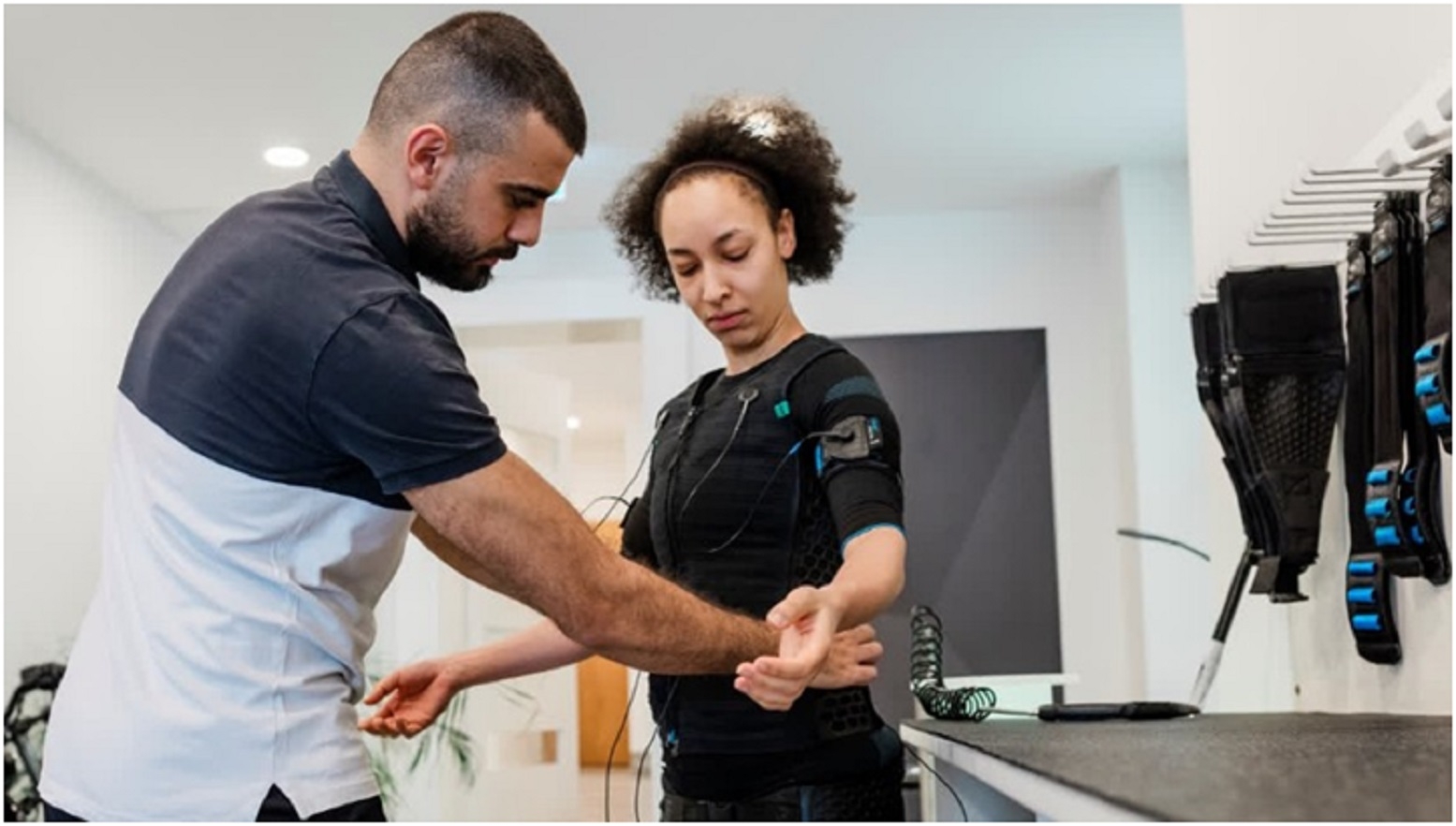
Physiotherapy isn't only someone telling you to stretch your neck while counting to 10. The first step is understanding how you move. A physiotherapist may assess your posture, muscle strength, flexibility, joint mobility, movement patterns and work habits. The objective is to understand not only where it hurts, but why it may be hurting.
Dr Mubarak Hussain, Head, Physiotherapy, Yashoda Medicity, says, “Treatment can include targeted stretching, strengthening, mobility exercises, manual therapy and workstation advice depending on the individual's needs. Two people can have the same complaint for completely different reasons. One may have weak core muscles. Another may have stiff hips. Someone else may have poor movement patterns or spend 10 hours a day in the same position. The treatment should therefore address the person, not just the painful body part.”
One major part of physiotherapy is strengthening. The core, back, hips and legs all contribute to how the body supports itself during movement. If inactivity leads to these muscles weakening, everyday tasks may become more difficult. A physiotherapist can suggest exercises tailored to the individual's specific circumstances to help build strength and stability over time. Tight muscles can also be loosened and restricted joint movement improved with stretching and mobility exercises. The idea is to make normal movement easier.