Does Brushing Teeth Need Technology? Dental Health Experts Weigh In On Manual Vs Electric Toothbrush Debate
Total Views |


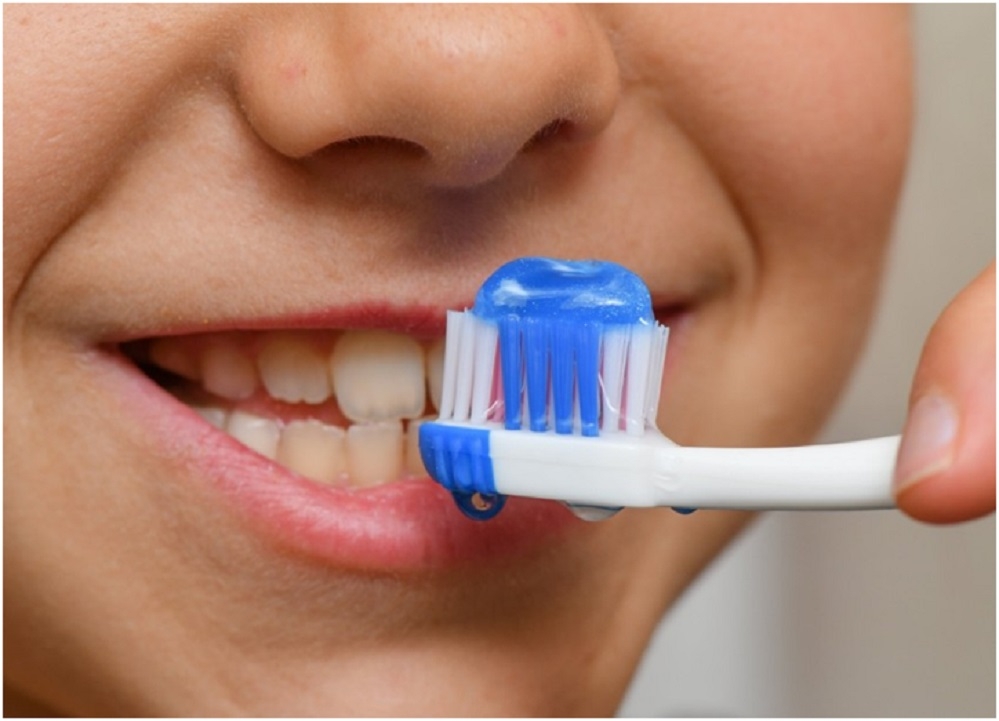
New Delhi : Dental hygiene around the world has evolved much over the years. In India, people traditionally used 'datun'(twigs of trees) to clean their teeth, and later switched to manual toothbrushes. With change in lifestyle and advent of technology, electric toothbrushes have flooded the market with companies claiming them to clean the teeth thoroughly without any effort.
However, the statistics by the World Health Organisation (WHO) that an estimated 3.7 billion people face oral diseases globally raises an important question: Are we actually brushing our teeth the right way?
In a special conversation with ETV Bharat, Dr Vikrant Mohanty, Head at the Public Health Dentistry, Maulana Azad Institute of Dental Sciences (MAIDS) New Delhi said that the debate should not simply be about which brush is better or more effective. The bigger question is how aware people are about oral hygiene and whether they have easy access to the basic resources needed to maintain it, he noted.
According to Dr Mohanty, India's oral-health burden remains significant enough for the government to continue strengthening its National Oral Health Programme. The programme aims to reduce oral diseases through accessible, affordable and quality oral healthcare across age groups.
Electric Toothbrush: Better Or Simply Easier?
Dr Mohanty said that electric toothbrushes do have evidence behind their plaque-removing ability. He said that a review of 56 studies found that powered toothbrushes reduced plaque and gingivitis more than manual toothbrushes, although the clinical importance of the difference was considered uncertain. The advantage, however, may be particularly useful for people who find manual brushing difficult, he said.
He said people's manual dexterity differs according to age and individual ability. “Someone may find it difficult to make the correct movements with a manual toothbrush, while a powered brush can perform much of that movement automatically. This can be particularly useful for people with special needs, elderly people or anyone who has difficulty controlling hand movements,” he said. Dr Mohanty added that electric toothbrushes pose the risk of injury if they are not handled carefully. He further pointed that in certain peripheral areas in Haryana and Uttar Pradesh, households depend heavily on borewell or groundwater supplies adding water quality can become an additional concern for dental hygiene. “This is another reason why simply changing from a manual to an electric toothbrush cannot solve the entire problem”.
Dr Mohanty said that dental problems are attributed to multiple factors, therefore rather than attributing every problem to the toothbrush itself, it is better to study all factors individually.
Technology Doesn't Always Mean Better Oral Hygiene
Dr Arunima Singhal, a dental surgeon advised that technology does not automatically mean better oral hygiene adding a powered brush still has to be used correctly. She said pressing too hard, brushing aggressively or using the wrong technique can cause dental problems. The objective should therefore be effective and gentle plaque removal rather than simply brushing with greater force, she added.
Affordability Remains A Barrier
Dr Singhal said electric toothbrushes remain relatively expensive for many Indian households and are therefore more likely to be used by people who can afford the additional cost.
“For a large section of consumers, the conventional manual toothbrush remains the more practical option that does not mean manual brushing is ineffective. A person who uses a manual toothbrush correctly and consistently can maintain good oral hygiene,” she said.
According to Dr Singhal, the advantage of a powered brush is that it can make the mechanical part of brushing easier and more consistent for some users.