Mobility Tests Can Reveal How You’re Ageing, But They Are No Crystal Ball
Total Views |


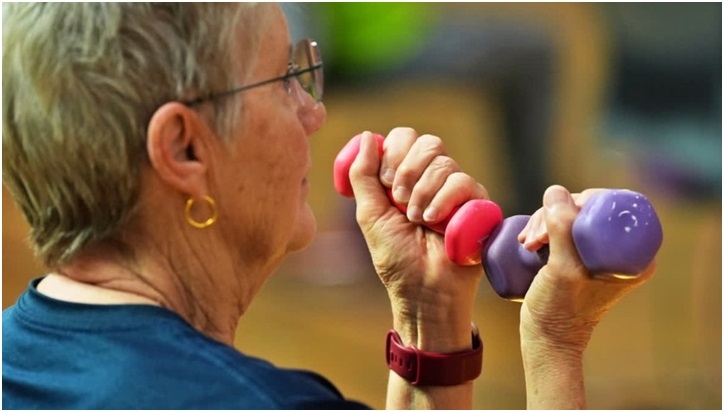
Simple mobility tests such as measuring hand-grip strength, checking balance and standing up from a chair or the floor can provide doctors with useful information about how a person’s body is ageing. These tests can offer clues about strength, stamina, physical function and the risk of falls. However, experts caution that they cannot predict exactly how long someone will live.
A poor or declining performance should instead encourage a person to consult a healthcare professional. The purpose is to understand why physical function may be changing and whether there is an underlying problem that needs attention.
Sit-to-Stand Tests
Sit-to-stand assessments come in several forms. The US Centers for Disease Control and Prevention’s 30-second chair-stand test, designed for adults over 60, measures how many times a person can rise from a chair within 30 seconds.
Another test that has gained popularity online involves moving from a standing position to sitting on the floor and then returning to standing. The assessment considers how much support a person needs and whether they remain steady while performing the movement.
Doctors also frequently use the **Timed Up and Go (TUG)** test. A person starts seated, stands up, walks approximately 10 feet or three metres, turns around and returns to the chair. The test provides information about balance, mobility and lower-body strength.
These assessments can help doctors identify possible weaknesses. Difficulties may be related to knee or joint pain, reduced strength, slow reflexes, poor balance, dizziness or cardiovascular problems. Understanding the reason for a poor result is more important than simply focusing on the score.
Looking at the Complete Picture
Mobility tests are generally screening tools, not complete diagnostic examinations. Other indicators of physical ageing include grip strength, walking speed, gait stability and balance.
Doctors may also use the **Short Physical Performance Battery (SPPB)**, which combines assessments of walking, balance and lower-body strength. Such tests can help identify frailty, a condition in which the body becomes less capable of coping with illness, injury or other physical stress.
Experts stress that individual results should be interpreted carefully. Grip strength, for example, can be affected by arthritis, neurological conditions or a lack of muscle conditioning. Therefore, one measurement should never be treated as a complete picture of a person’s health.
More Than Just a Number
A good mobility score does not automatically mean that someone is ageing healthily. Doctors also need to consider memory, cognition, hearing, eyesight, nutrition, sleep, cardiovascular health and emotional well-being.
Experts recommend focusing on overall health rather than training specifically to perform well in a particular test. Regular physical activity, nutritious meals, healthy stress management, adequate sleep and good heart health all contribute to healthy ageing.
It is also important to understand that test results can vary according to age and the population in which the assessment was studied. A score that has been associated with a particular health outcome in one age group may not have the same meaning for another.
When to Seek Medical Advice
If someone performs poorly on a mobility test, notices a decline in physical ability or has recently experienced a fall, discussing the results with a doctor is advisable. A healthcare professional can determine whether physical therapy, an assistive device, medication changes or further medical evaluation may be appropriate.
Falls are particularly important because they can have serious consequences for older adults. Even when someone feels fine after a fall, an underlying balance, strength or health problem may still exist.
Ultimately, mobility tests are valuable tools for identifying potential problems early, but they are not crystal balls. Their greatest benefit comes when results are considered alongside other aspects of health and used to guide appropriate care. Healthy ageing is not about achieving a perfect score; it is about maintaining strength, independence, safety and quality of life for as long as possible.