How to Help Kids Make Friends at a New School
Total Views |


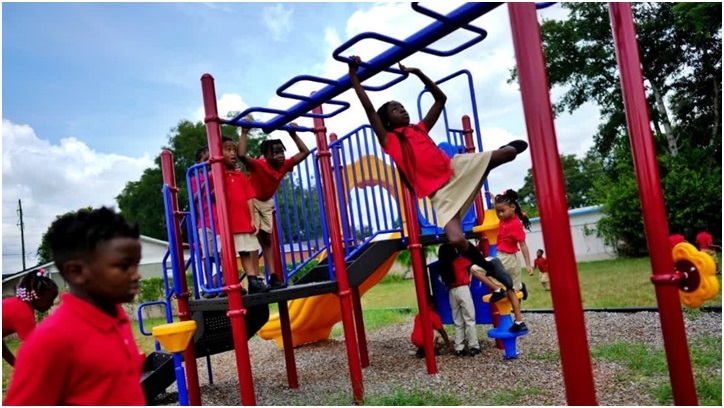
Starting at a new school can be exciting, but it can also be stressful for children. A new classroom, unfamiliar teachers and dozens of unknown faces can leave students wondering how they will fit in and make friends. Parents can provide support, but experts say children also need opportunities to develop friendships on their own.
Create Opportunities to Meet Others
For younger children, parents can play an important role in creating opportunities for social interaction. Playgrounds, parks, birthday parties and extracurricular activities can provide natural settings for children to meet classmates and build relationships.
Parents can also connect with other families and arrange playdates. Regular informal gatherings can help children become comfortable with one another and gradually develop friendships. However, parents should avoid trying to decide exactly who their children should be friends with.
Let Children Develop Their Own Friendships
As children grow older, they need greater independence in managing their social relationships. Instead of controlling friendships, parents can help children understand what makes someone a good friend.
Parents can ask questions such as: What qualities do you value in your friends? Who makes you feel comfortable being yourself? Do your friends treat you kindly and honestly? Such conversations can help children recognise healthy relationships and learn how to deal with disagreements.
Children who have recently moved schools can also be encouraged to look for common interests. Asking classmates about sports, music, games, books or hobbies can provide an easy way to begin a conversation.
Encourage Extracurricular Activities
Joining school clubs, sports teams, theatre groups, music programmes or other activities can make it easier for children to meet students who share similar interests. For shy children, participating in an activity can provide a natural reason to interact without the pressure of approaching someone simply to make friends.
Parents can encourage children to try something new, even if they have never participated in that activity before. Such experiences can help them develop confidence while expanding their social circle.
Once children find opportunities to connect, simple gestures can help start conversations. A smile, a compliment or a question can be enough. Saying something as simple as “I like your shirt” or asking someone’s name can become the beginning of a meaningful friendship.
Encourage Face-to-Face Interaction
Phones, headphones, social media and gaming can sometimes make it difficult for students to notice opportunities for conversation. Parents can encourage children to put devices aside during appropriate social situations and remain engaged with people around them.
At the same time, technology does have benefits. Messaging and video calls can help children maintain friendships after moving to another school or city. The key is finding a healthy balance between online communication and face-to-face interaction.
One Good Friend Can Be Enough
Children do not need a large group of friends to feel that they belong. Even one close friendship or a trusted relationship with an adult at school can make a significant difference to a child’s sense of connection and well-being.
Parents should therefore avoid putting pressure on children to become popular or immediately find a large friend group. Building friendships takes time.
For children nervous about starting over, it can help to remember that they are unlikely to be the only ones looking for companionship. Other students may also be hoping to meet someone new.
With patience, encouragement and regular opportunities to interact, children can gradually develop confidence and meaningful friendships. The first conversation may feel difficult, but taking that small step can open the door to a much more comfortable and enjoyable school experience.