What If A Mosquito Bite Could Train Your Body To Fight Malaria?
Total Views |


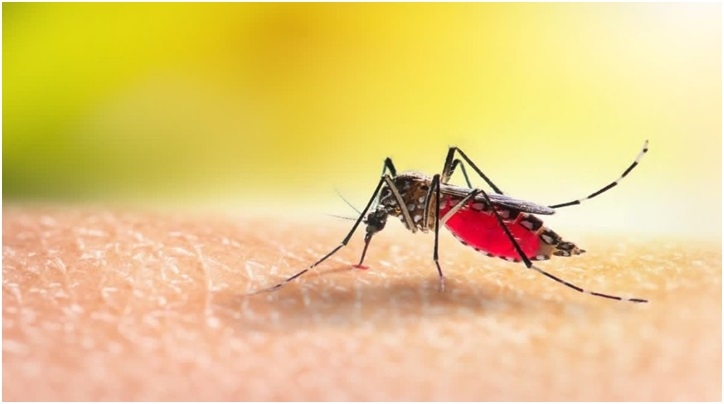
A mosquito bite is usually one of nature’s least welcome surprises. For millions of people, however, a mosquito bite is much more serious than an itchy inconvenience. It can transmit malaria, a disease that continues to disproportionately affect children and pregnant women. According to the World Health Organization, one child in Africa dies from malaria every minute.
Now, researchers in Australia have proposed a different idea: what if a mosquito bite could be used to train the immune system rather than simply being a route to infection?
Scientists at the Walter and Eliza Hall Institute of Medical Research (WEHI) in Melbourne have developed a preclinical approach that uses malaria parasites delivered through mosquito bites together with antimalarial drugs. The combination stopped the parasites from causing disease while allowing the immune system to learn what the parasite looks like. In mice, the approach provided protection for up to 21 months. The study, published in Science, could point towards a new way of thinking about malaria vaccination.
Turning A Mosquito Bite Into An Immune Lesson
Malaria begins with a mosquito. When an infected mosquito bites, Plasmodium parasites enter the body. They first travel to the liver, where they multiply and mature. Later, they leave the liver and enter red blood cells. That is when malaria symptoms develop. The researchers wanted to interrupt this journey at an interesting point: late in the liver stage. Their strategy, called chemovaccination, combines exposure to live malaria parasites with antimalarial drugs that stop the parasites from completing their life cycle. The parasite gets far enough for the immune system to notice it, but not far enough to reach the bloodstream and cause malaria.
The study used two drug candidates, WM382 and MK-7602. Both target proteins called plasmepsin IX and plasmepsin X, or PMIX/X. These proteins are important for the malaria parasite's ability to survive and develop. The drugs stopped the parasites during the late liver stage. The immune system had time to see and respond to the parasite, but the parasite could not progress to the blood stage and cause disease. The researchers call the resulting approach chemo-attenuated liver merozoites, or CALM.
Verily, a subsidiary of Google's parent company Alphabet has been working on a similar project. Through its life sciences division, Verily has been developing an initiative known as the 'Debug Project'. It has proposed releasing up to 32 million specially bred mosquitoes in California and Florida over a two-year period. The plan is currently undergoing regulatory review by the US Environmental Protection Agency (EPA).
Also read: Google Wants To Release 32 Million Mosquitoes In Two US States. Here's Why, And Which States It Targets
The Immune System Gets Two Ways To Fight Back
The researchers found that the approach appeared to train the immune system in two different ways. First, it produced antibodies against the malaria parasite's circumsporozoite protein, or CSP. These antibodies can block the parasite during the early stage of infection. Second, the treatment expanded CD8+ T cells, including long-lasting memory T cells that remained in the liver. These liver-resident memory cells were able to recognise several different parasite proteins.
The researchers exposed mice to low doses of Plasmodium berghei parasites, either intravenously or through mosquito bites, followed by treatment with WM382 or MK-7602. The resulting immune response provided protection against otherwise lethal malaria challenges.
And it wasn't short-lived. Protection lasted up to 21 months, including when the animals were exposed to the parasite repeatedly. The researchers also found robust protection following exposure to 1,000 sporozoites, whether administered intravenously or through mosquito bites.
Could It Work Against Different Malaria Parasites?
The scientists tested WM382 in a human-liver xenograft mouse model involving Plasmodium falciparum, the parasite responsible for the most severe form of malaria. The drug prevented the human malaria parasite from moving from the liver into the blood stage by blocking erythrocytic infection. Because PMIX/X proteins are highly conserved across different malaria species, the researchers believe this approach could potentially work against a broad range of Plasmodium parasites.
However, the research is still preclinical. What works impressively in mice does not automatically become a treatment or vaccine for humans. The researchers suggest that, if the approach can eventually be developed for humans, repeated exposure could potentially help build and boost immunity in people living in malaria-endemic regions.