India’s Living Heritage Finds a New Voice Among Young Generations
Total Views |


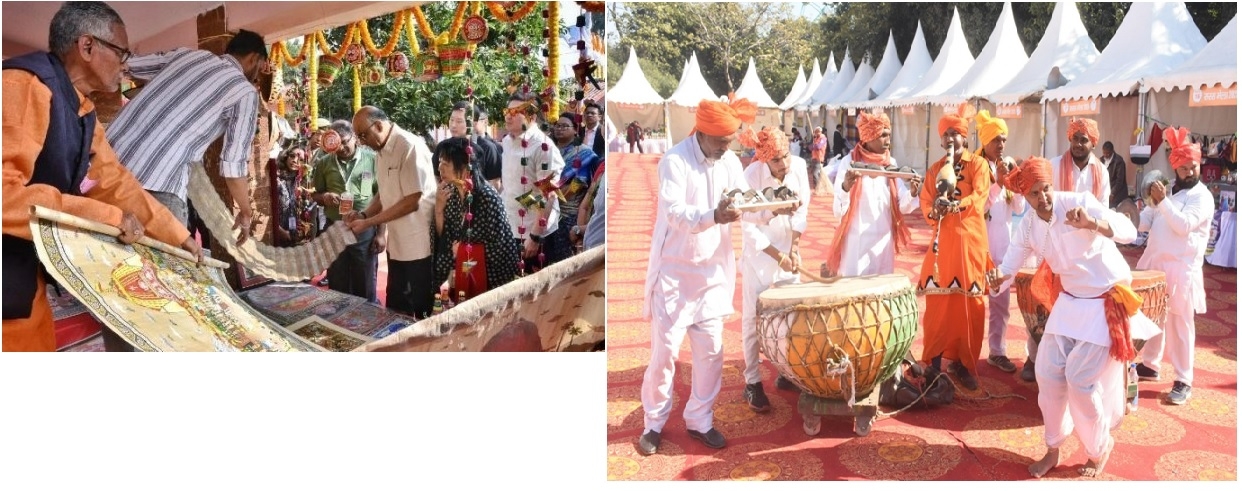
India’s cultural heritage is entering a new phase as younger generations increasingly discover, practise and reinterpret traditional art, music, dance, crafts and customs. Across the country, cultural festivals, educational programmes, exhibitions and digital platforms are creating fresh opportunities for artists while bringing centuries-old traditions closer to contemporary audiences.
India’s cultural identity is built on extraordinary diversity. Classical dance forms such as Bharatanatyam, Kathak, Odissi, Kuchipudi, Kathakali and Manipuri coexist with hundreds of folk traditions that have developed within different communities and regions. The Ministry of Tourism continues to promote festivals that bring classical and folk performers together, offering audiences an opportunity to experience the country’s artistic diversity.
Tradition Meets a New Generation
For many young Indians, traditional culture is no longer limited to textbooks or occasional family celebrations. Dance academies, music schools, cultural organisations and social-media platforms are helping young performers learn traditional forms and present them to wider audiences.
Bharatanatyam, for example, continues to attract young practitioners in India and among the Indian diaspora. Its combination of rhythm, expression, storytelling and disciplined movement allows dancers to connect classical techniques with contemporary themes. Government cultural programmes also recognise Bharatanatyam alongside Kathak, Odissi, Kuchipudi, Kathakali, Manipuri and other traditional forms.
Cultural festivals are playing an important role in this revival. Events such as the Indian Dance Festival at Mamallapuram bring together professional artists from different parts of the country. Performances take place against historic settings, creating a powerful connection between architecture, history and performing arts.
Crafts Find Fresh Markets
India’s cultural revival extends beyond the performing arts. Traditional handicrafts are also receiving renewed attention from consumers, designers and younger entrepreneurs.
Pottery, handloom weaving, embroidery, wood carving, block printing, metalwork and regional textile traditions continue to provide livelihoods for artisan communities. Young designers are increasingly exploring ways to combine traditional techniques with modern designs, colours and products.
This approach offers two advantages. It gives traditional artisans access to new markets while allowing younger consumers to engage with heritage in a form that fits contemporary lifestyles. Craft exhibitions, tourism programmes and online marketplaces are further expanding the reach of regional products.
Traditional crafts also carry stories that cannot easily be reproduced by machines. Every handmade object reflects the skills, local materials and cultural knowledge passed from one generation to another.
Music Builds a Bridge
Music remains one of the strongest ways of connecting generations. Classical traditions and regional folk music continue to evolve as musicians experiment with presentation, technology and collaborations.
Young performers are using digital platforms to introduce traditional instruments and regional musical styles to audiences who may never have encountered them before. Folk music from different states is reaching listeners beyond its traditional geographical boundaries, creating greater appreciation for India’s musical diversity.
The growing interest in cultural festivals demonstrates that audiences continue to value live performances. Festivals provide artists with opportunities to perform, collaborate and interact with audiences while giving visitors an immersive cultural experience.
Culture in the Digital Age
Technology has changed the way people experience heritage. A dance performance can now reach thousands of viewers online, while a craftsperson working in a small village can showcase products to customers across the country.
However, digital visibility alone cannot guarantee the survival of traditional knowledge. Cultural experts and institutions emphasise the importance of training, documentation and direct transmission of skills.
Schools and community organisations can play a major role by introducing students to traditional music, dance, theatre, painting and crafts. Workshops conducted by experienced artists can give young people an opportunity to understand not only the performance but also the history and discipline behind each art form.
Heritage as a Living Tradition
India’s cultural heritage is not a frozen record of the past. It continues to evolve with society. Festivals such as the Konark Festival demonstrate how classical dance and music can be presented in historic settings while remaining relevant to modern audiences. The festival brings together forms including Odissi, Bharatanatyam, Manipuri, Kathakali, Kathak and Kuchipudi.
The challenge is to maintain authenticity while allowing creativity. Too much commercialisation can weaken traditional practices, while refusing to adapt can make them inaccessible to younger audiences.
The most successful cultural initiatives therefore create a balance between preservation and innovation. They respect traditional knowledge while giving artists the freedom to experiment and communicate with new audiences.
As India’s cultural presence grows internationally, its art, music, dance, textiles, cuisine and crafts are becoming important expressions of the country’s identity. The responsibility of preserving this heritage does not belong only to cultural institutions. It also belongs to communities, artists, educators and young people.
The future of Indian culture will ultimately depend on whether the next generation chooses to inherit these traditions and give them a new voice. With greater opportunities, wider digital access and growing public interest, India’s living heritage is finding new ways to remain relevant.
Culture is not merely a memory of the past. It is a living tradition—constantly evolving, inspiring new generations and carrying the stories of India into the future.