Extreme Heat Poses Greater Health Risk to Older Adults Than Previously Thought
Total Views |


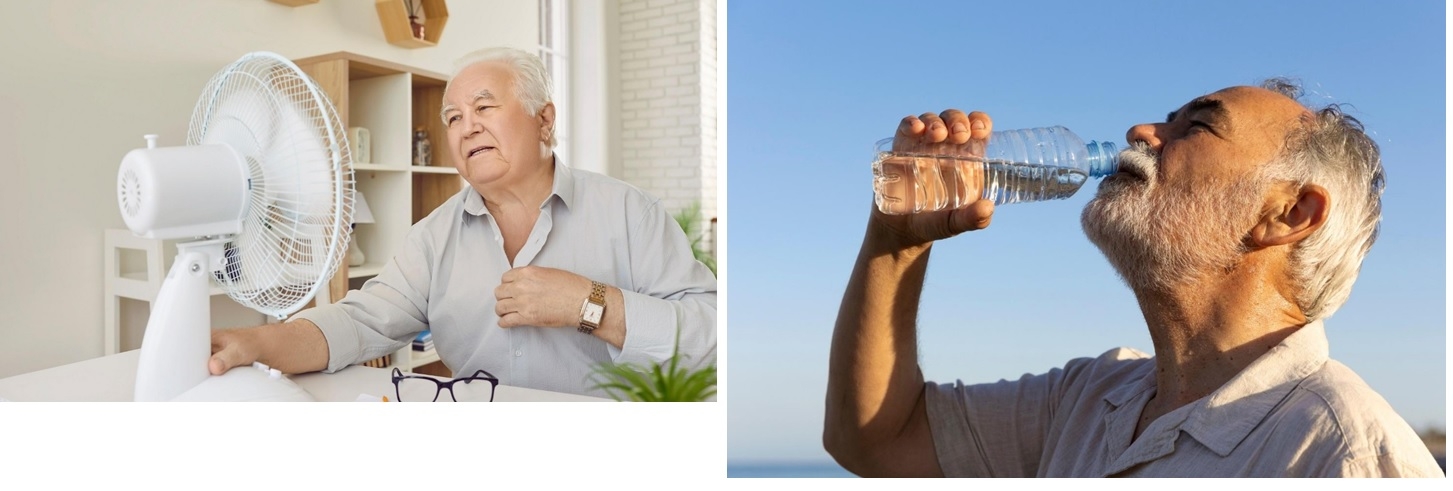
LONDON : Extreme heat may be more dangerous for older adults than previously understood, with new research indicating that people aged 60 and above can experience serious heat-related stress at lower temperatures than younger adults. The findings have raised fresh concerns among health experts as heatwaves become more frequent, intense and prolonged in many parts of the world.A study published this week has highlighted important differences in how older and younger bodies respond to high temperatures. Researchers found that older adults can have greater difficulty cooling themselves because ageing affects sweating, blood circulation and other mechanisms involved in regulating body temperature. The findings are particularly significant as the global population continues to age. Researchers estimate that the number of people aged over 60 could reach around 2.1 billion by 2050. This means a growing number of people could face increased health risks as extreme heat becomes more common.
Why Older Adults Are More Vulnerable
The human body normally keeps its internal temperature within a narrow range. When temperatures rise, the body attempts to release excess heat through sweating and increased blood flow near the skin.
As people grow older, these responses can become less effective. Older adults may sweat less and may not increase blood flow to the skin as efficiently as younger people. This can cause heat to accumulate inside the body.
Research published in 2026, based on hundreds of studies across six continents, found that higher temperatures were associated with increased illness and mortality among older populations. The analysis included 623 studies and found particularly strong effects among people aged 75–84 and those aged 85 and above.
Humidity can make the situation worse. When the air is already saturated with moisture, sweat evaporates less efficiently, reducing one of the body's main cooling mechanisms. Physical activity, dehydration and prolonged exposure can further increase the risk.
Heat Can Affect More Than Physical Health
Extreme heat can affect daily life as well as physical health. Older adults may experience dizziness, weakness, headaches, dehydration and confusion during periods of high temperature. In severe cases, prolonged overheating can develop into heat stroke, which is a medical emergency.
Health authorities also warn that some older adults may be particularly vulnerable because of medicines or existing health conditions. Certain cardiovascular, kidney and respiratory conditions can increase the risks associated with heat. Some medicines may also influence sweating, hydration or the body's ability to regulate temperature.
Recent reporting from the United Kingdom has also highlighted the pressure that extreme heat can place on healthcare services. Doctors have reported increases in dizziness, falls and heat-related illness among vulnerable patients during periods of intense summer heat.
A Growing Global Challenge
The problem is not restricted to Europe. Countries across Asia, Africa, Australia and other warm regions are also facing increasing exposure to extreme temperatures.
Research examining older adults in ten Indian states found that greater heat exposure was associated with poorer self-reported physical and mental health. The study also indicated that access to cooling devices and water could reduce some of the harmful effects of heat exposure.
For densely populated cities, the challenge can be particularly serious. Concrete buildings, limited tree cover and poor ventilation can create urban heat islands, where temperatures remain higher than in surrounding areas. Older residents living alone or in homes without adequate cooling may face additional risks.
Cities Need Better Heat Protection
Experts say cities need to prepare for heat as a major public-health issue rather than treating it as a temporary weather problem.
More trees, shaded public areas, better ventilation, cooling centres and heat-warning systems can help protect vulnerable residents. Hospitals and care facilities also need plans to maintain safe indoor temperatures during prolonged heatwaves.
Community support can be equally important. Checking regularly on elderly relatives, friends and neighbours during very hot weather can help identify problems early. Ensuring that older people have access to drinking water, cool indoor spaces and assistance with daily activities can reduce their exposure.
Prevention Is Becoming More Important
Health specialists advise older adults to avoid unnecessary outdoor activity during the hottest part of the day, stay in cool or shaded places and drink fluids regularly. Lightweight clothing, adequate ventilation and frequent rest can also help reduce heat stress.
People should pay attention to warning signs such as unusual tiredness, dizziness, headache, nausea or confusion. Severe confusion, fainting or signs of heat stroke require urgent medical attention.
The latest research suggests that there may not be one temperature threshold that is equally safe for everyone. Age, humidity, physical condition, activity and access to cooling can all influence how the body responds to heat.
As global temperatures continue to rise, protecting older adults will require coordinated action from governments, healthcare systems, communities and families. Better early-warning systems, climate-resilient cities and public awareness can all play a role.Extreme heat is increasingly being recognised as a serious health threat. For older adults, the danger may begin earlier than previously believed. Preparing before temperatures reach dangerous levels could therefore become one of the most important ways to protect ageing populations in a warming world.
Extreme heat is not simply an uncomfortable weather event—it is an emerging public-health challenge, and older adults are among those who need protection the most.