Can Pelvic Floor Exercises Make Labour And Recovery Easier?
Total Views |


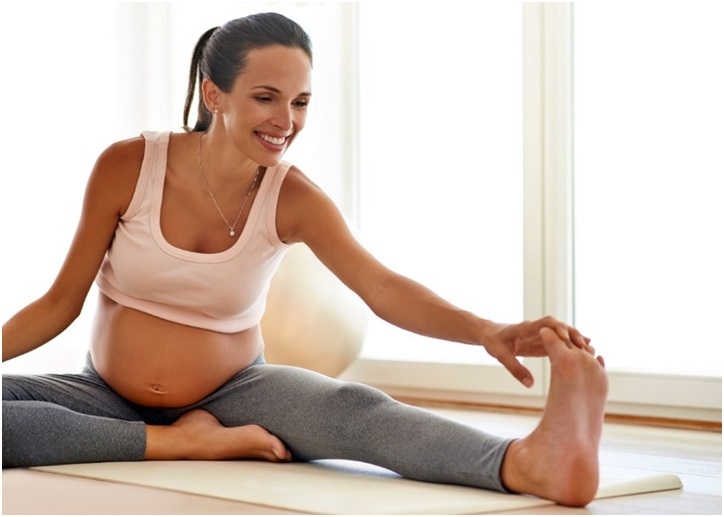
Pregnancy leads to changes in a woman's body and can also put extra pressure on the pelvic floor muscles. These muscles support the bladder, uterus, and bowel and play an important role during pregnancy, childbirth, and recovery after delivery. Moreover, as the baby tends to grow, these muscles stretch and have to work harder to support the increasing weight.
“It is essential for expectant mothers women to strengthen pelvic floor muscles by doing simple exercises during pregnancy to be able to improve muscle control, reduce discomfort, and support recovery after childbirth. Pelvic exercises can help the body to be able to prepare for delivery,” says Dr. Preethika Shetty, Consultant Obstetrician; gynaecologist, Motherhood Hospitals, Kharadi.
She adds that there is still a lack of awareness regarding pelvic floor exercises, also called Kegel exercises. Pelvic floor exercises involve tightening and relaxing the muscles that support the pelvic organs. They can be done by women anywhere and without any special equipment. Regular practice helps improve muscle strength, flexibility, and control, and you will feel better.
Women with strong pelvic floor muscles are able to provide good support to the growing baby and help reduce pressure on the bladder. “Women who do these exercises tend to experience less urinary leakage during pregnancy. Although pelvic floor exercises alone do not make labour shorter or painless, they prepare the muscles to function better and may contribute to smoother recovery post delivery. Regular pelvic floor exercise can help bladder control, reduce urine leakage, aid faster recovery of pelvic muscles, improve bowel control, and lower the chances of pelvic organ prolapse later in life,” says Dr. Shetty. Make sure to perform them under an expert’s guidance.
It is imperative for women to know the correct technique, do exercises as advised by the doctor, and combine pelvic floor exercises with walking, healthy eating, and adequate hydration. Concludes Dr. Shetty, “Do these exercises as per the expert’s advice to lower the chances of urinary leakage and other pelvic floor problems.”