Chulalongkorn University Revives Rare Thai Musical Tradition
Total Views |


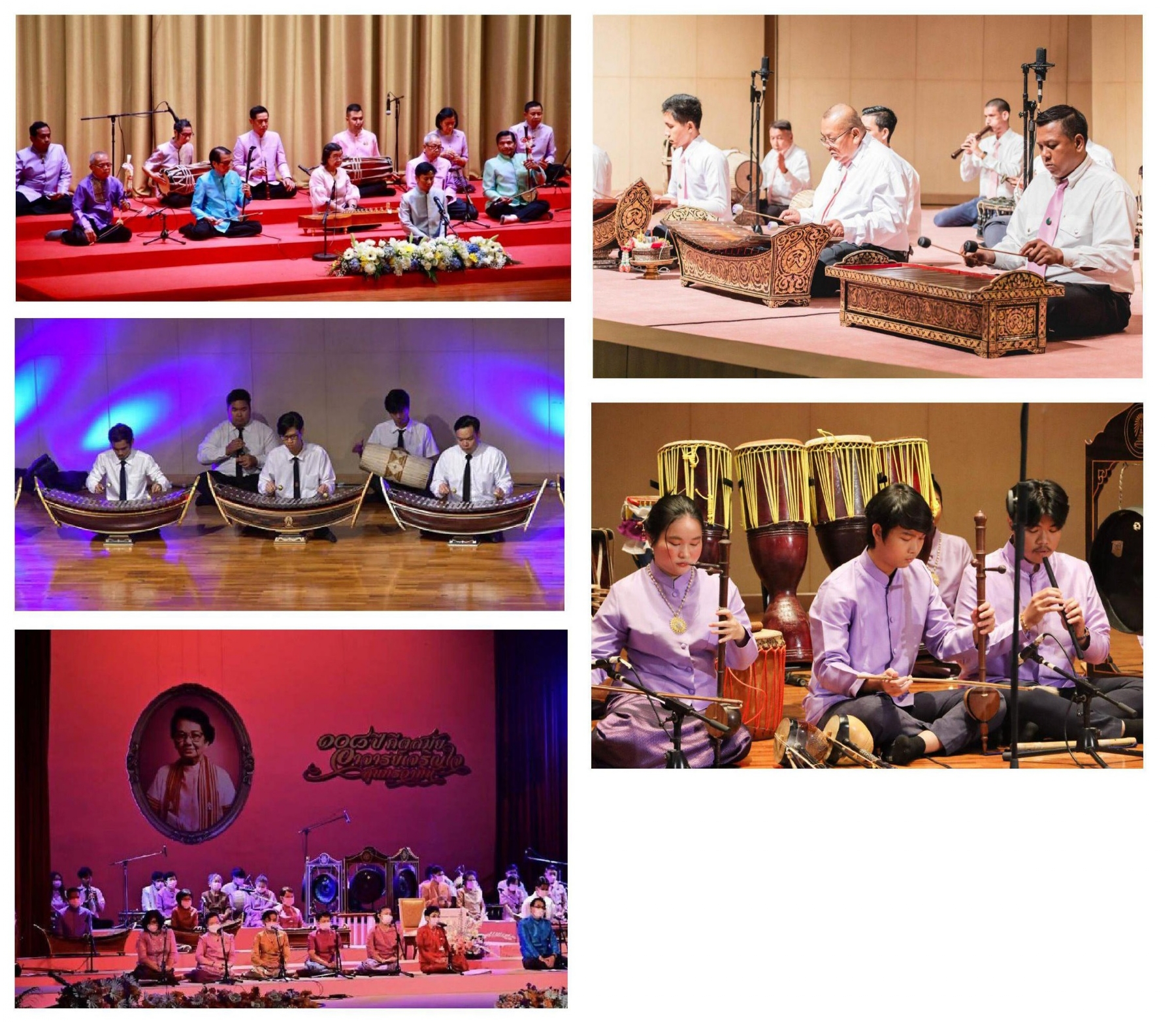
BANGKOK : Chulalongkorn University is leading a long-running effort to revive and preserve Piphat Dukdamban, a rare form of traditional Thai classical music whose distinctive soft and mellow sound once played an important role in the cultural life of Thailand.
The university’s latest preservation efforts are helping ensure that the nearly forgotten musical tradition continues to reach new generations through education, research, training and public performances. Chulalongkorn University has been working to safeguard Piphat Dukdamban for nearly four decades, making it one of the country’s important centres for the study and transmission of this specialised musical heritage.
A Unique Musical Tradition
Piphat Dukdamban emerged during the reign of King Rama V, King Chulalongkorn, in the late nineteenth century. Unlike the traditional Piphat ensemble, which is generally known for its bright and powerful sound, Piphat Dukdamban was designed to produce softer, deeper and more refined tones.
The musical form reflected an interesting meeting of Thai and European cultural influences. Prince Narisara Nuvadtivongs drew inspiration from European opera and adapted the traditional Piphat orchestra by introducing gentler instruments and new musical approaches. The result was an ensemble particularly suited to indoor performances and theatrical presentations.
The tradition later developed into a form of Thai musical theatre in which performers combined acting, singing and music. It was used for important performances and occasions, including presentations for distinguished foreign visitors to Siam.
A Tradition That Nearly Disappeared
Despite its popularity during the late nineteenth and early twentieth centuries, Piphat Dukdamban gradually declined. The closure of the Dukdamban Theatre, changing social conditions and the decreasing number of opportunities to perform contributed to the disappearance of the tradition.
The performance itself also demanded highly trained artists. Performers were expected to possess musical ability as well as skills in acting, singing and traditional dance. As fewer practitioners were available, passing the complex repertoire from one generation to another became increasingly difficult.
By the middle of the twentieth century, Piphat Dukdamban had become extremely rare, with only limited knowledge of the repertoire and performance practices remaining. Economic difficulties, political changes and shifting cultural priorities further contributed to its decline.
Chulalongkorn Begins the Revival
A major revival effort began at Chulalongkorn University in 1985, when the institution launched a dedicated project to research and preserve Piphat Dukdamban. The initiative was developed ahead of the 60th birthday celebrations of King Bhumibol Adulyadej in 1987.
The university brought together leading Thai music scholars and master musicians to research the history of the ensemble, document its repertoire and recover performance techniques from surviving practitioners. Senior masters, many of whom were already in their seventies and eighties, played an important role in passing their knowledge to younger musicians.
The revival culminated in performances in 1987, and since then Chulalongkorn University has continued to present Piphat Dukdamban performances annually on March 26, the university’s founding day.
Education at the Heart of Preservation
University officials say that education is essential to ensuring that the tradition survives beyond individual performances. Piphat Dukdamban has therefore been incorporated into the curriculum of the Faculty of Fine and Applied Arts, allowing Thai music students to learn and practise the repertoire as part of their formal studies. The university’s Office of Art and Culture also maintains extensive resources related to Thai music, including traditional instruments, recordings, photographs, books, research documents and archival materials. These resources are available to support researchers, students and members of the public interested in Thailand’s musical heritage.
More Than 150 Performers
The 2026 anniversary programme demonstrated the continuing scale of the revival. More than 150 musicians, vocalists and dancers took part after spending more than three months preparing for the performance.
The programme included Piphat Dukdamban performances by students from Chulalongkorn’s Thai Youth Orchestra, as well as vocal and instrumental presentations and traditional dance accompanied by the distinctive ensemble. A special musical tribute was also presented for Queen Sirikit, the Queen Mother, featuring royal compositions and a performance associated with Princess Maha Chakri Sirindhorn.
For Chulalongkorn University, preserving Piphat Dukdamban is about more than protecting old musical instruments or historical compositions. It is about keeping alive a complete cultural practice that combines music, performance, education and artistic innovation. The university’s experience demonstrates that endangered traditions can survive when master practitioners, educational institutions, researchers, performers and audiences work together. By placing Piphat Dukdamban within its academic curriculum and presenting it regularly to the public, Chulalongkorn University is giving one of Thailand’s rarest musical traditions a continuing place in the country’s cultural future.
Photo: Piphat Dukdamban traditional music performance at Chulalongkorn University. Courtesy of the Chulalongkorn University Office of Art and Culture.