Understanding Postpartum Psychosis: A Rare but Serious Mental Health Emergency After Childbirth
Total Views |


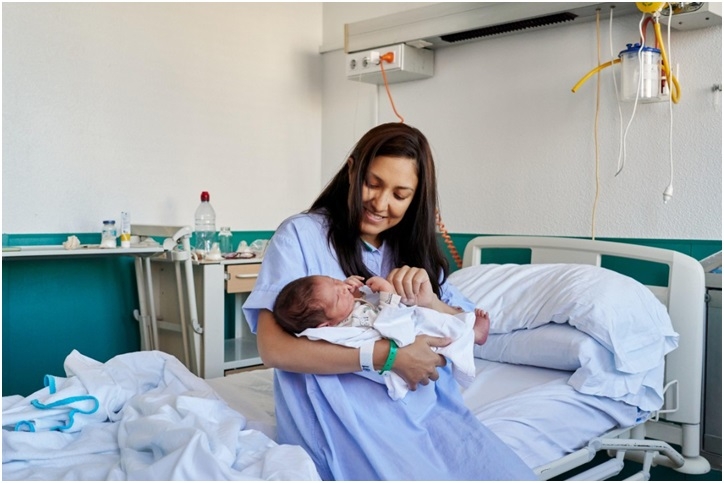
Postpartum psychosis is a rare but life-threatening mental health condition that can develop shortly after childbirth, affecting a mother’s ability to distinguish reality from delusions or hallucinations. The disorder has come into public focus following a high-profile murder trial in the United States, where the defence argues that postpartum psychosis influenced a mother’s actions after the deaths of her three children.
Medical experts emphasise that postpartum psychosis is a psychiatric emergency requiring immediate medical attention. The condition affects approximately one to two women in every 1,000 births and most commonly develops within the first few days after delivery, although symptoms may appear up to six weeks later.
Women with a history of bipolar disorder or other severe psychiatric illnesses are considered to be at higher risk. However, specialists note that postpartum psychosis can also occur in women with no previous mental health history.
Common symptoms include hallucinations, delusions, paranoia, severe mood swings, confusion, disorganised thinking, insomnia, agitation and unusual behaviour. In severe cases, women may experience thoughts of harming themselves or their babies, making urgent psychiatric intervention essential.
Doctors distinguish postpartum psychosis from the more common postpartum depression and the temporary “baby blues.” While baby blues usually resolve within a few days and postpartum depression develops gradually, postpartum psychosis appears suddenly and progresses rapidly, making it the most severe postpartum psychiatric disorder.
Treatment generally requires hospitalisation, close psychiatric monitoring and medications such as antipsychotics or mood stabilisers. In some severe cases, electroconvulsive therapy (ECT) may be recommended and has proven effective when administered under specialist care.
Health professionals stress that prompt recognition of warning signs by family members and healthcare providers can save lives. With early diagnosis, comprehensive treatment and continued psychological support, most women can recover successfully and safely resume caring for themselves and their families.