Rajasthan Intensifies Fight Against Monsoon Diarrhoea as ‘Stop Diarrhoea Campaign’ Targets Child Deaths
Total Views |


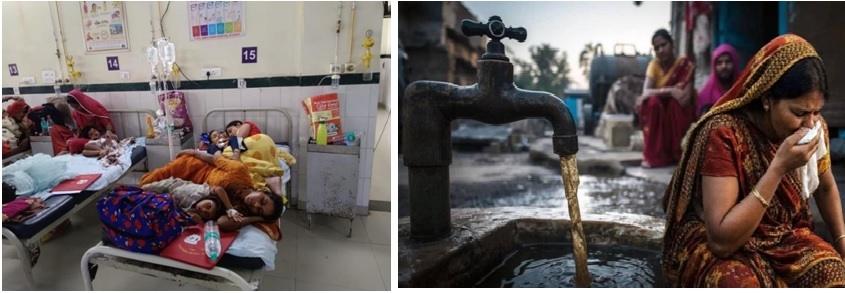
As the monsoon brings much-needed relief from Rajasthan’s scorching summer, it also ushers in a familiar public health challenge—an alarming increase in water-borne diseases. Health officials across the state have reported a seasonal spike in diarrhoea, gastroenteritis, vomiting and other gastrointestinal infections, particularly among young children, prompting the Rajasthan Medical and Health Department to launch an intensive ‘Stop Diarrhoea Campaign’ aimed at preventing avoidable child deaths.
The statewide campaign, which continues until July 31, focuses primarily on children below five years of age, the group most vulnerable to dehydration and life-threatening complications caused by diarrhoea. Officials say the initiative combines preventive healthcare, public awareness and doorstep medical support to curb the annual surge in infections during the rainy season.
According to health experts, the monsoon significantly increases the risk of contamination in drinking water sources. Overflowing drains, waterlogging and poor sanitation allow bacteria and viruses to spread rapidly, making untreated water and unhygienic food major sources of infection. Children and elderly citizens remain particularly susceptible due to weaker immunity and a greater risk of dehydration.
Several districts, including Jaipur, Jodhpur, Kota, Udaipur, Ajmer, Alwar, Bharatpur, Bhilwara, Sikar and Banswara, consistently record higher numbers of diarrhoea and gastroenteritis cases during the rainy months. Doctors warn that delayed treatment can quickly turn a common stomach infection into a medical emergency.
Medical specialists emphasise that diarrhoea is largely preventable through simple hygiene practices. Drinking only clean and safe water, washing hands thoroughly before meals, consuming freshly prepared food and avoiding uncovered street food are among the most effective ways to reduce the risk of infection.
Gastroenterologist Dr. Neeraj Nagayach noted that the monsoon season also increases the incidence of hepatitis, which can occur alongside diarrhoeal diseases and worsen patient outcomes if left untreated.
“Most cases can be treated successfully with timely medical attention and basic preventive measures. Safe drinking water, proper hygiene and balanced nutrition remain the strongest defence against these illnesses,” he said.
Despite improvements in healthcare services, diarrhoeal diseases continue to claim thousands of young lives in Rajasthan every year. According to the state’s Medical and Health Department, more than 3,900 children die annually due to diarrhoea, highlighting the urgent need for preventive interventions and early treatment.
National health data also underline the seriousness of the issue. Across India, diarrhoea accounts for nearly 5.8 per cent of deaths among children below the age of five, making it one of the country’s leading causes of preventable child mortality.
There is, however, encouraging progress. Findings from the National Family Health Survey (NFHS-6) 2023-24 indicate that the prevalence of diarrhoea among children in Rajasthan has declined from 6.1 per cent to 5.8 per cent, placing the state below the national average of 7.9 per cent. Health authorities believe sustained awareness campaigns and improved access to treatment have contributed to this decline, although they acknowledge that much work remains.
As part of the Stop Diarrhoea Campaign, thousands of Accredited Social Health Activists (ASHAs) have been mobilised to conduct door-to-door visits across urban and rural areas. Every household with a child below five years receives two packets of Oral Rehydration Solution (ORS) along with a 14-day course of zinc tablets, enabling parents to begin treatment immediately if symptoms appear.
Public Health Director Dr. Ravi Prakash Sharma said the campaign is designed to ensure that no child is deprived of life-saving treatment because of delayed access to healthcare. The department has also established dedicated ORS-Zinc Corners at government hospitals, primary health centres and Anganwadi centres, allowing families to obtain essential medicines free of cost.
Health officials stress that ORS and zinc therapy remain among the most effective and affordable treatments for childhood diarrhoea. While ORS replaces fluids and essential salts lost through dehydration, zinc supplementation helps reduce the severity and duration of the illness and lowers the risk of recurrent episodes.
Doctors are also advising parents to seek immediate medical attention if children develop persistent diarrhoea, repeated vomiting, fever, blood in stools or signs of severe dehydration such as sunken eyes, excessive thirst, lethargy or reduced urination.
Public health experts believe that community participation will be crucial in preventing outbreaks during the monsoon. They urge citizens to boil or filter drinking water, maintain household cleanliness, wash fruits and vegetables thoroughly and ensure children wash their hands before eating.
With seasonal infections expected to remain high until the end of the monsoon, Rajasthan’s Stop Diarrhoea Campaign serves as a reminder that simple preventive measures, combined with timely treatment, can save thousands of young lives. Health authorities hope that increased awareness and easy access to ORS and zinc will significantly reduce child mortality and keep families safe throughout the rainy season.