Monsoon Food Alert: Street Foods You Should Avoid to Prevent Seasonal Infections
Total Views |


The arrival of the monsoon often brings cravings for hot pakoras, pani puri, fried snacks and chilled beverages. However, health experts warn that the rainy season also creates ideal conditions for bacteria, viruses and fungi to thrive, increasing the risk of food poisoning, diarrhoea, typhoid, cholera and other gastrointestinal infections.
Nutritionists say that digestion naturally slows during the monsoon, making the body more vulnerable to contaminated food and water. Street foods prepared under unhygienic conditions pose a greater health risk because high humidity and stagnant water promote rapid microbial growth.
Experts advise avoiding roadside pani puri, as the flavoured water can easily become contaminated. Similarly, pre-cut fruits sold in the open may harbour bacteria and attract flies, while fresh juices prepared with unsafe water or contaminated ice can transmit infections such as typhoid, hepatitis A and severe diarrhoea.
Consumers are also urged to be cautious while buying ice cream from street vendors. Frequent power outages during the rainy season may interrupt refrigeration, allowing harmful bacteria to multiply if frozen products repeatedly thaw and refreeze.
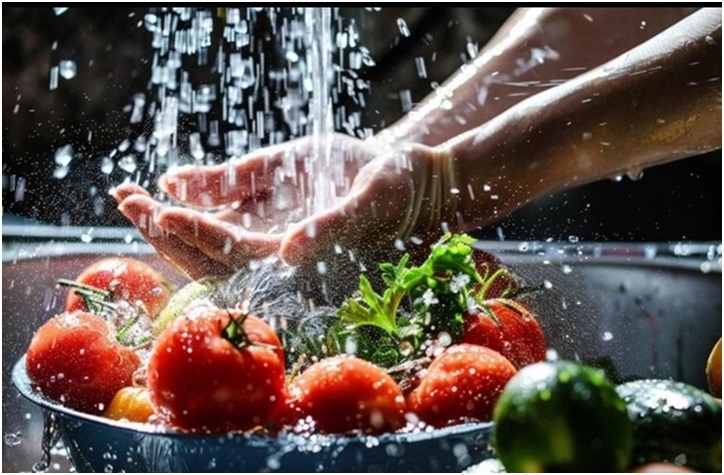
Leafy vegetables do not need to be eliminated from the diet but should be washed thoroughly before cooking to remove mud, insects and microorganisms. Seafood should be purchased only from trusted suppliers and cooked properly, as contaminated coastal waters can affect its safety during heavy rains.
Doctors also recommend limiting deep-fried and excessively spicy foods, which can slow digestion further and trigger acidity, bloating and indigestion. Instead, people should choose freshly cooked meals, whole fruits, warm soups, herbal teas and safe drinking water. Health experts emphasise that enjoying seasonal favourites is possible with proper precautions. Simple habits such as eating freshly prepared food, maintaining hand hygiene and avoiding contaminated street food can significantly reduce the risk of monsoon-related illnesses and help families stay healthy throughout the rainy season.