US, Saudi Arabia Sign Landmark Nuclear Pact Amid Rising Non-Proliferation Concerns
Total Views |


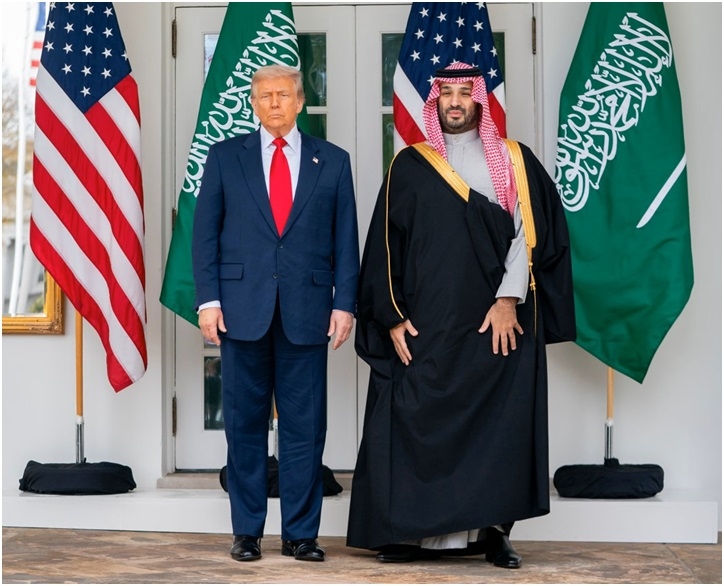
The United States and Saudi Arabia have signed a landmark civil nuclear cooperation agreement, marking a significant step in their long-standing strategic partnership while reigniting global concerns over nuclear proliferation in the Middle East.
The agreement was signed by US Energy Secretary Chris Wright and Saudi Energy Minister Prince Abdulaziz bin Salman. According to the US Department of Energy, the pact includes a “peaceful nuclear cooperation agreement” and a bilateral safeguards arrangement aimed at expanding collaboration on civilian nuclear energy. Although the full terms of the agreement have not been disclosed, the deal has drawn international attention because it could eventually allow Saudi Arabia to enrich uranium on its own soil.
The announcement comes at a sensitive time, as the United States continues efforts to prevent Iran from developing domestic uranium enrichment capabilities that could be used for nuclear weapons. The agreement now moves to the US Congress for review, where lawmakers are expected to closely examine its safeguards and oversight provisions. Several members of Congress have expressed concern that insufficient monitoring could increase the risk of Saudi Arabia developing nuclear weapons in the future.
For years, Washington has negotiated a civilian nuclear agreement with Riyadh under both the Trump and Biden administrations. Supporters argue that closer nuclear cooperation will strengthen America’s influence in the Gulf and prevent Saudi Arabia from seeking nuclear technology from countries such as China or Russia, whose nuclear export standards differ from those of the United States.