This Single 30-Second Hack Can Undo The Damage of A Whole Day of Sitting
Total Views |


Let's play a quick game. How many hours have you been sitting today? If you're reading this at your office desk or while lounging on the sofa, the answer is probably “too many.” Modern Indians spend a surprising amount of time sitting. We sit in traffic, at work, during meals, and then we sit some more while binge-watching our favourite shows. Our bodies, however, weren't designed for this kind of lifestyle.
As a result, tight hips, rounded shoulders, back pain, stiff necks and poor posture have become so common that many people think they're just a part of growing older. Your body doesn't need an hour-long workout to start feeling better. Sometimes, one simple exercise can make a noticeable difference.
We are talking about the reverse plank.
What Is A Reverse Plank?
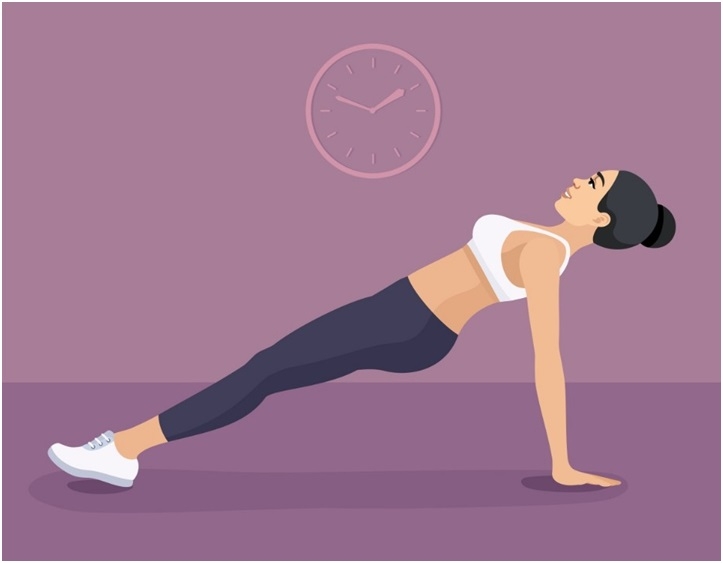
Most people have heard of the regular plank, where you face the floor while balancing on your forearms or hands. The reverse plank flips the position. Instead of facing the ground, you face the ceiling. You support your body with your hands and heels while lifting your hips off the floor until your body forms a straight line from your shoulders to your feet.
It looks simple. Then you try it. Within seconds, you'll discover muscles you forgot existed!
Why Is It Good For People Who Sit All Day?
When we spend hours sitting, the muscles at the front of the body (especially the chest and hip flexors) become tight. At the same time, the muscles at the back of the body, such as the glutes, upper back and hamstrings, become weaker because we don't use them enough.
The reverse plank helps reverse this imbalance. It opens up the chest, stretches the shoulders and hips, and strengthens the muscles along the back of your body. Think of it as pressing the reset button after your desk job has spent eight hours pulling your posture in the opposite direction.
Benefits Of Reverse Plank
One of the biggest benefits is improved posture. If you've caught yourself hunching over a laptop or constantly looking down at your phone, this exercise helps encourage better alignment. It also strengthens your core not just the visible abdominal muscles, but the muscles that stabilise your spine.
The reverse plank activates your glutes, hamstrings, shoulders and arms, making it a full-body exercise despite requiring no equipment. Many people also notice improved shoulder mobility and reduced stiffness after practising it regularly. Because it stretches the front of the body while strengthening the back, it can help counter some of the effects of prolonged sitting.
How To Do A Reverse Plank
Sit down on the floor or a yoga mat with your legs stretched out in front of you.
Place your palms on the floor (or mat) a little behind your hips. Our fingers should point behind towards your shoulders, and slightly outwards.
Press your hands firmly into the floor.
Pressing down on your palms, lift your hips and chest upward while pushing through your heels.
Your body should form a straight horizontal line from your shoulders to your ankles. Keep your chest lifted.
Avoid letting your head hang down. Instead, keep your neck in a relaxed, neutral position while looking at the ceiling.
Beginners should hold the position for 15 to 30 seconds.
Lower yourself slowly. Repeat the reverse plank 2-3 times.
As you get stronger, gradually increase the duration to 45 seconds, and then to 60 seconds.
Small Habits Create Big Changes
There's no need to force yourself into the position if you feel sharp pain. Like any exercise, good form matters more than how long you hold it for. Standing up every hour, taking a short walk, stretching for a few minutes and adding a reverse plank to your daily routine can help your body cope much better with long hours of sitting at your desk. Your office chair isn't going anywhere anytime soon but with one simple exercise, you can stop letting it have the final say over your posture and your health.