The First 10 Minutes After A Heart Attack Could Save A Life, Here's Exactly What A Cardiologist Wants You To Do
Total Views |


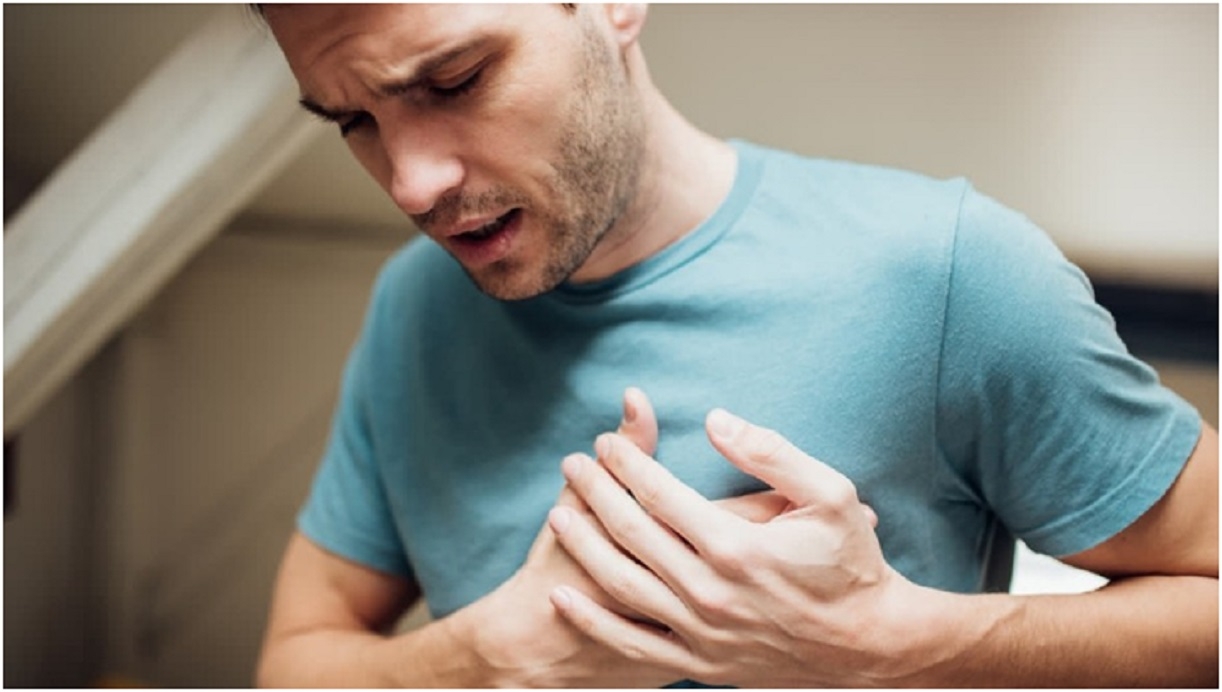
A heart attack doesn't usually announce itself with dramatic background music or someone clutching their chest before collapsing in slow motion. More often, it looks ordinary. A colleague complains of chest discomfort after lunch. A parent says they feel unusually breathless while climbing the stairs. Someone at a wedding suddenly starts sweating despite the air conditioning.
According to cardiologists, the first 10 minutes after a suspected heart attack are among the most important. What happens during those few minutes can determine how much of the heart muscle survives. Cardiologists have a phrase they repeat often: “Time is muscle.” Every minute that blood flow remains blocked, more heart muscle is deprived of oxygen. The longer the delay, the greater the permanent damage.
Step 1: Believe What You're Seeing
One of the biggest reasons patients arrive late is denial.
According to Dr. Mitesh Kumar, Senior Consultant, Cardiology, Fortis Hospital, Cunningham Road, Bengaluru, this hesitation is one of the biggest mistakes people make. “If you suspect a heart attack, act immediately,” he says. “Don't wait for the symptoms to settle or assume it's just acidity or gas.”
Heart attacks don't always present the same way. While crushing chest pain is common, symptoms can also include pressure or tightness in the chest, pain spreading to the shoulder, arm, neck, jaw or back, sudden breathlessness, nausea, dizziness, cold sweats, or unusual fatigue. Women, older adults and people with diabetes may experience less typical symptoms, making it even easier to dismiss them. The safest assumption is, if there's doubt, get medical help.
Step 2: Call for Emergency Medical Help
Many people make another costly mistake. They decide to drive the patient to the hospital themselves. It sounds practical but it isn't always the safest choice, according to cardiologist Dr. Kumar. Emergency medical teams can begin treatment on the way, monitor heart rhythm, administer life-saving medications if needed, and alert the hospital before arrival. If the patient's condition suddenly worsens during transport, trained professionals are already there. Every minute saved before reaching the hospital increases the chances of preserving heart muscle.
Step 3: Keep the Person Calm
Once help has been called, your next job isn't to become a doctor but to become a calming presence. Help the person sit in a comfortable semi-reclined position rather than lying completely flat. Loosen tight clothing around the neck or chest, reassure them that help is on the way, and encourage them to stay as still as possible. An anxious heart works harder. A frightened person breathes faster. Keeping movement to a minimum reduces the heart's workload until medical help arrives.
Step 4: Know When Aspirin Can Help
One of the few medicines that can be useful in the early minutes is aspirin but only under the right circumstances. Dr. Kumar explains that if the person is conscious, has no known allergy to aspirin, and no history of significant bleeding, chewing one standard aspirin may help reduce clot formation. However, there's one important rule: Taking aspirin should never delay calling emergency services or getting to the hospital. The phone call comes first.
Step 5: Use Prescribed Nitroglycerin (But Only If It's Theirs)
If the patient already has a prescription for nitroglycerin because of angina, they should take it exactly as instructed by their own doctor. But don't hand someone else's medication to them. Heart attack symptoms can overlap with several other conditions, and medicines that help one patient may harm another.
Heart Attack vs Cardiac Arrest
Ask someone what happens during a heart attack, and they'll probably describe someone collapsing to the floor. Ironically, that's often describing something else. A heart attack happens when blood flow to part of the heart is blocked. The heart usually continues beating, and the person is often awake, talking and able to respond.
A cardiac arrest is different. Here, the heart suddenly stops pumping blood effectively. The person collapses, becomes unresponsive and either stops breathing or breathes abnormally.
If someone collapses, is unresponsive and isn't breathing normally:
Call emergency medical services immediately.
Begin CPR if you are trained.
If an Automated External Defibrillator (AED) is available, switch it on and follow the voice prompts without delay.
Dr. Kumar says that early CPR and defibrillation dramatically improve survival until advanced medical care arrives.
What Not to Do
Sometimes the wrong advice spreads faster than the right advice. Cardiologists repeatedly warn against several common mistakes:
Don't wait "to see if it passes."
Don't assume it's gas, indigestion or muscle pain without medical evaluation.
Don't ask the person to walk around "to feel better."
Don't make them drive themselves to the hospital.
Don't search the internet for home remedies while symptoms continue.
Don't force food or drinks if the person feels nauseated.
Don't delay treatment because the pain comes and goes.
Modern cardiology has become good at treating heart attacks. Blocked arteries can often be reopened, damaged blood flow restored and lives saved. But there is one thing even the most advanced technology cannot recover. Heart muscle that has already died. That is why cardiologists repeat the phrase “Time is muscle.” Every minute without treatment increases the damage. Every minute saved preserves more of the heart's ability to pump blood for years to come.