Stainless Steel, Stone Or Laminate, Which Are The Best Kitchen Materials To Reduce Bacterial Growth At Home?
Total Views |


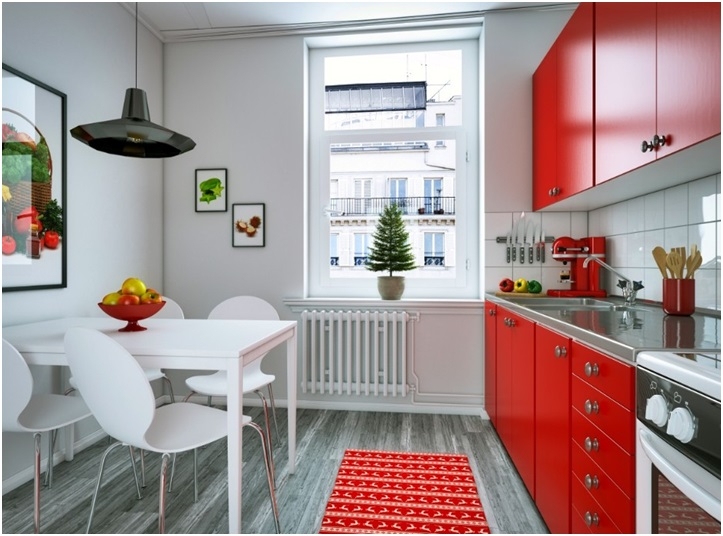
The kitchen is where meals are prepared and families are fed, so hygiene is one of its most important foundations. But it is also one of the most vulnerable places for bacterial contamination. Every day, raw food, moisture, and constant human contact combine to create a breeding ground for harmful bacteria to spread on kitchen surfaces.
Naturally, regular cleaning is important but the materials used for countertops, sinks, cutting boards and utensils are also important in keeping things clean. All kitchen materials are not equal in terms of resisting the build-up of bacteria. Porous or delicate surfaces hold onto moisture, food particles and microbes making it hard to clean properly. On the other hand, Non-porous materials help create a cleaner and more sanitary environment for cooking.
Find out the pros and cons of various popular materials for your doing up your kitchen:
1. Stainless Steel Is Most Hygienic
Stainless steel is considered one of the cleanest materials used in kitchens today because of its smooth non-porous surface. Unlike porous materials, stainless steel does not absorb water, food debris, and impurities, so it is very easy to clean after daily use. One of the best uses of stainless steel is in countertops, sinks, and kitchen equipment because it can be washed in really hot water without getting rusty and without losing its smoothness. Cleaning the food preparation space becomes easier and reduces the risk of bacteria on kitchen surfaces.
2. Plastic Is Convenient Yet Requires Timely Replacement
Kitchens are places where plastic is popular and used often for utensils, storage containers, and cutting boards since it is lightweight, inexpensive and easy to handle. But after some time, plastic surfaces may get scratched or grooved. These can trap food particles and moisture and become hosts for bacteria even after being washed well. To maintain good kitchen hygiene, check plastic cutting boards, storage containers and utensils regularly and replace when heavily scratched, cracked or worn.
3. Wood Requires Special Care
Wood has a classic look and is good with maintenance as well, especially the hardwood varieties. But wood is a porous material and will absorb moisture if it stays wet for too long. Wooden kitchenware needs to be cleaned, dried and maintained properly on regular basis to keep it hygienic.
4. Stone Countertops Need Proper Maintenance
Even hard stones like granite and marble can become porous if their sealants wear off in time or if tiny cracks are formed on their surface. Water and food can easily get through. Seal them regularly and clean quickly to ward off bacteria.
5. Laminate Is Great, Until It Breaks
Laminate countertops are easy to clean and smooth when finished. But chips, cracks and peeling edges can make room for dirt, moisture and bacteria to accumulate. Damaged parts can be replaced quickly to keep the kitchen clean and hygienic.
There is no kitchen material that is inherently resistant to bacteria. Pathogenic organisms like Salmonella, E. coli, Staphylococcus aureus, Campylobacter, and Listeria monocytogenes are capable of surviving on any surface, provided it is not washed sufficiently. Washing, sanitization of food preparation surfaces, prevention of cross-contamination between raw and cooked food products, and drying of surfaces effectively still constitute the most efficient means of maintaining a hygienic kitchen environment.
The right materials chosen in the kitchen are a crucial step in food safety, but they must be accompanied by the right cleaning methods. Smooth, durable, non-porous surfaces such as stainless steel provide an easy-to-clean surface and don't leave any niches for bacteria to grow.