IIT Jodhpur Working On Materials That Can Capture, Store, And Release Solar Energy On Demand
Total Views |


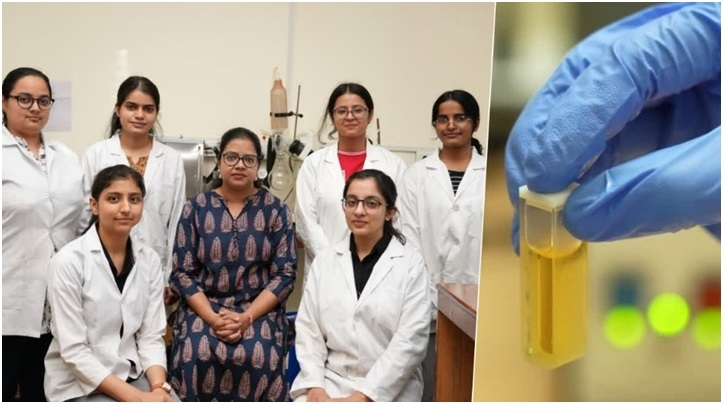
Jodhpur: Imagine a material that not only captures sunlight but also behaves intelligently, changes its properties, and stores solar energy to harness it whenever needed. Such materials could soon become a reality, thanks to research underway at the Indian Institute of Technology (IIT) Jodhpur, led by Monica Gupta from the Department of Chemistry.
Currently, most solar-powered devices generate electricity by converting sunlight into energy using photovoltaic technology. Researchers, however, are developing smart materials that can respond to visible light and harness solar energy in new ways. They have created molecules in the laboratory that can directly interact with sunlight to capture and store energy, offering an alternative approach to conventional solar panels.
"Nature provides us with abundant sunlight every day, yet most existing materials are unable to utilise it efficiently because they rely on ultraviolet light," Gupta said. "Our research focuses on designing smart materials that respond directly to visible sunlight, enabling efficient solar energy conversion and storage under real-world conditions.”
She added that by engineering materials at the molecular level, her team aims to develop sustainable technologies capable of powering next-generation smart devices, adaptive materials, and long-term solar energy storage systems, contributing to a cleaner and more energy-secure future.
By developing materials that intelligently interact with natural sunlight, IIT Jodhpur aims to advance clean energy solutions and help accelerate the transition to a more sustainable future. The material could pave the way for a new generation of technologies, including smart windows, adaptive optical devices, light-driven actuators, responsive coatings, tunable photonic systems and advanced energy-harvesting devices. The research is being conducted at the Functional Organic Materials Laboratory.
Gupta further disclosed that another important aspect of the research focuses on molecular solar thermal fuel (MOST), an emerging technology that allows sunlight to be stored as chemical energy. Instead of using solar energy immediately, these specially designed molecules can store energy for extended periods and release it later as heat whenever needed.
Her team is also working to improve the efficiency of these materials, increasing the amount of energy they can store, extending storage periods, enabling controlled heat release and ensuring reliable performance even in extremely cold conditions. “Such advancements could significantly contribute to future clean energy technologies by offering efficient ways to store renewable energy for use when sunlight is unavailable,” she said.