AC Or Air Cooler, Which Is The Best Choice To Stay Dry In India's Humid Monsoon?
Total Views |


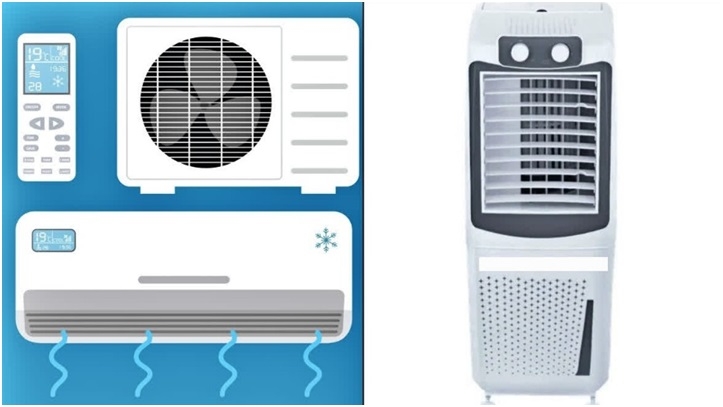
Indian monsoon is a bit like that friend who always comes with surprises. One day it's raining cats and dogs, next it's bright sunshine and in between, it turns your house into a giant steam room! The rains are a welcome relief from the scorching summer heat, but they also bring something much more irritating: humidity. That sticky feeling where your clothes never dry, your skin is clammy and you sweat just sitting still.
At this time, many people ask the same question, “Should I buy an AC or an air cooler?” The answer depends on one thing: the amount of moisture already in the air.
An air conditioner does more than just cool a room. It also takes the moisture out of the air. The heat alone is not the reason for the monsoon discomfort. At high humidity, it is difficult for sweat to evaporate off your skin, so you feel hot and sticky even when the temperature isn’t very high. An AC is a solution to this problem because it reduces the humidity and maintains the indoor temperature at a comfortable level. That is why experts generally recommend using an air conditioner instead of an air cooler in the rainy season.
Why Air Coolers Stop Working
An air cooler works by evaporating water unlike an AC. This works well in the summer when the air is dry. But the air has already got a lot of moisture during monsoon. The cooler adds more moisture which makes the room more humid, stuffy and uncomfortable.
If you still want to use a cooler, experts recommend turning off the water pump and using it only in fan mode, or getting a desert cooler. Also, leave a window or door slightly open to let in fresh air and let out excess humidity. Constant exposure to cold air can be uncomfortable for people with sinusitis, migraines, frequent colds, cough or some respiratory problems. In such cases it is best to see what suits your condition with your doctor. If an AC makes your symptoms worse, a cooler on fan setting or just good ventilation may be a better choice.
Tips To Operate Your AC Properly
A common mistake many people make is to set their AC to 16°C or 18°C, thinking it will cool faster at lower temperatures. This is not only unnecessary in monsoon but also leads to more electricity consumption and overloads the compressor. Studies recommend using the Dry Mode whenever possible. In this mode, it helps to remove excess humidity without making the room too cold, so you're comfortable and you end up saving electricity.
Ideal temperature is within the range of 24-26 degrees Celsius. This range is also recommended by Bureau of Indian Standards for comfort and energy efficiency. Interestingly, just by increasing the AC temperature by 1°C, electricity consumption can be reduced by almost 6%. By setting your AC to 24°C instead of 21°C, you could save nearly 18% on your power use over time.
The rainy season hosts the perfect conditions for the growth of mould, fungus and bacteria inside the AC filters. If filters are not cleaned regularly, dust, allergens and microorganisms in the indoor circulating air can cause allergies or breathing problems. Keeping the filters clean every few weeks helps to keep cooling efficiency high and to improve indoor air quality.
If your goal is cooling during the humid monsoon months, then an air conditioner is generally the better choice as it cools the room and also removes excess moisture from the air. But if you have sinus or respiratory problems, and would rather use a cooler, turn off the water pump and run it in fan mode with good ventilation.
No matter what cooling system you choose, bear in mind that comfort is not about making the room an ice chamber. The real enemy in the monsoon is humidity. Once you get that taken care of, you’ll feel cooler and healthier.