Tata Memorial Centre Researchers Find Low-Cost Papaya Leaf Extract Offers Relief To Cancer Patients Undergoing Chemotherapy
Total Views |


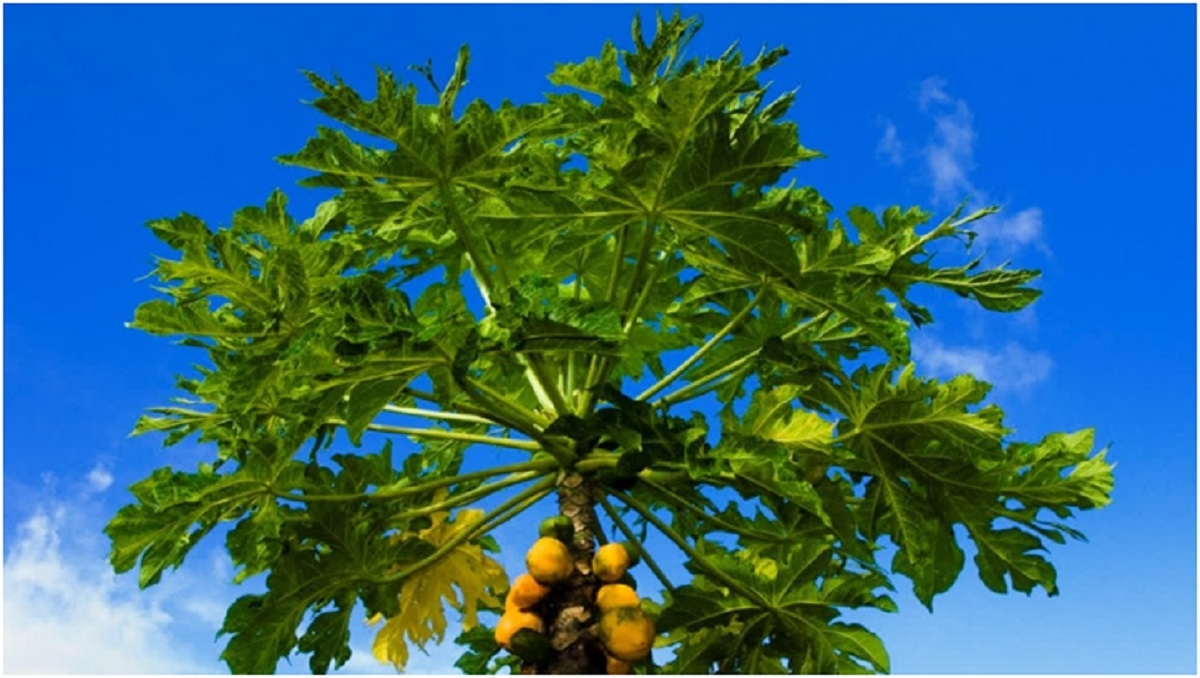
A common and dangerous side effect of cancer treatment is chemotherapy-induced thrombocytopenia (CIT), which can lead to bleeding, missed chemotherapy doses, and higher medical costs. In a major advance for supportive cancer care, researchers from the GI Medical Oncology Department at Tata Memorial Centre (TMC) in Mumbai, have shown that Carica Papaya Leaf Extract (CPLE) significantly improves recovery from chemotherapy-induced thrombocytopenia. For the uninitiated, thrombocytopenia is a common side effect of cancer treatment that causes low platelet counts and often leads to treatment delays.
The findings are published in JCO Global Oncology, the international journal of the American Society of Clinical Oncology (ASCO). They provide the strongest clinical evidence to date supporting the use of papaya leaf extract in cancer patients. The study is the first Phase III randomized clinical trial to demonstrate the benefit of papaya leaf extract in patients experiencing chemotherapy-induced thrombocytopenia. According to this experiment, adding CPLE causes an additional 30% of patients to recover their platelets within 4 days, possibly preventing the need for costly or hazardous medications or delaying or lowering the dosage of their subsequent chemotherapy rounds.
A 10-day course of CPLE costs around $10 (approx. Rs. 955), making it a cost-effective option for treating thrombocytopenia, especially in resource-limited settings. The study involved diverse cancer patients and found CPLE significantly improved thrombocytopenia, particularly in patients aged 60 and older, those on palliative chemotherapy, and those with more than two prior cycles. Lower body surface area (BSA) correlated with better responses, suggesting potential benefits from higher doses for patients with higher BSA, although the study did not assess dose-response.
Numerous studies indicate that Carica papaya leaf extract (CPLE) may prevent thrombocytopenia, especially in dengue fever and chemotherapy cases. Key compounds like carpaine and quercetin boost platelet production and stabilize membranes. Despite some research flaws, a randomized study showed significant platelet increases in 228 dengue patients, supported by a meta-analysis of 377 subjects.
A smaller trial with 60 patients found that combining CPLE with Tinospora cordifolia was more effective for improving platelet counts in chemotherapy-induced thrombocytopenia, highlighting CPLE's potential for enhancing recovery in moderate to severe cases. The scope of research was confined to two centres, potentially impacting the generalizability of the results. While CPLE did not lead to any adverse events, further long-term monitoring is necessary to ascertain its safety and effects on survival.
The results indicate that papaya leaf extract may help patients remain on potentially life-saving cancer treatment without unnecessary interruptions. Between March 2020 and October 2024, 219 patients were randomly assigned, of whom 198 patients were analyzed for outcomes. For patients with grade 2 chemotherapy-induced thrombocytopenia (CIT) at baseline, about 43% of patients in the placebo arm and 25% of patients in the CPLE arm required dosage reductions or delays in their following chemotherapy treatment.
Papaya leaf Ayurvedic preparations have been used in India for decades, particularly for conditions associated with low platelet counts. However, scientific evidence supporting their use in cancer care has remained limited. The findings of this Phase III randomized clinical trial provide robust evidence supporting the use of papaya leaf extract as an affordable supportive care intervention for patients undergoing chemotherapy-induced thrombocytopenia.