RAM Shenanigans: Valve Explains Why Steam Machine Costs $1,049 Instead Of Original Intended Price Of $750
Total Views |


RAM Shenanigans: Valve Explains Why Steam Machine Costs $1,049 Instead Of Original Intended Price Of $750
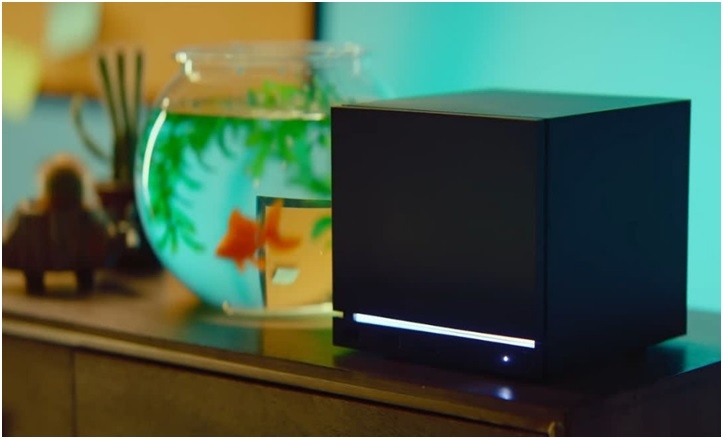
Valve Corporation, the company that operates Steam, a popular video game developer and digital distributor, introduced the Steam Machine in November 2025, alongside a controller and a VR headset. The Steam Machine retails at $1,049, a price tag far beyond the initially planned price of $750. The unstable RAM market and memory suppliers appear to be the primary reason for the Steam Machine's current price.
In an interview with Gamer Nexus, Pierre-Loup Griffais, one of the developers behind SteamOS, explained why Valve could not introduce the portable gaming computer at the planned price. He said that memory suppliers do not offer fixed contracts. Instead, prices are set on a monthly basis, with manufacturers presenting a take-it-or-leave-it offer each time. According to Griffais, suppliers simply quote a price and a quantity, leaving Valve with two choices: either accept the terms or risk losing access to that supplier entirely.
He noted that refusing an offer would mean the supplier would not engage with Valve again, effectively cutting off future stock. This left the company with little room to negotiate, as turning down a price hike risked jeopardising supply for not just the Steam Machine but future hardware too, including potential successors to the Steam Deck.
The situation highlights the broader challenges faced by hardware makers like Valve in an unpredictable memory market. If Valve had launched the Steam Machine at its planned price of $750, the company would either have had to absorb the rising costs in the volatile RAM market or pass on the hike to the consumers by raising the prices after initial sales.
Griffais' comments suggest that Valve prioritised future supply chain relationships over keeping the Steam Machine at its originally intended price point. The decision highlights the pressures gaming hardware companies face when essential components such as RAM are subject to sudden price spikes, leaving them with limited options to push back against suppliers who hold significant leverage in the market.
The impact is also not limited to the gaming companies but also the smartphone industry. UK-based consumer electronics company Nothing has been talking about the situation for quite some time, alleging that data centre demands have raised memory prices by multiple folds to the point where it now makes up almost half of the cost of the entire smartphone. Due to increasing costs, the company has decided not to launch the CMF Phone 2 Pro successor this year. Apple is also expected to launch the new iPhone 18 Pro series at a considerably higher price point than the current 17 Pro lineup due to increasing component costs.