As Conflict Deepens In West Asia, These 5 Books Reveal The True Cost Of War
Total Views |


We tell ourselves that modernity would civilise us, that technology would elevate us, that memory itself would teach restraint. Yet generation after generation, nations continue to repeat familiar rituals of anger, fear, retaliation, righteousness, and sorrow. The continuing conflict in West Asia, with its images of bombed streets, frightened children, and leaders speaking the language of certainty while ordinary people bear the cost, is proof that humanity remains remarkably skilled at destruction.
War changes memory. It changes children. It alters the moral imagination of societies long after treaties are signed. This is why books about war matter. The finest books refuse to let us simplify it. If the present moment in West Asia leaves you searching for understanding rather than outrage, here are five books worth reading.
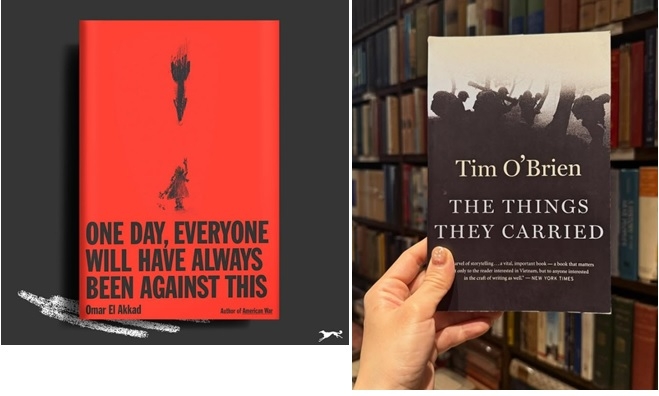
1. One Day, Everyone Will Have Always Been Against This
Author: Omar El Akkad
If war reporting sometimes feels numbingly statistical, this 2025 non-fiction book asks what those numbers do to our moral imagination. Written in response to the war in Gaza, El Akkad examines conflict, silence, and the uncomfortable habit societies have of regretting atrocities only after history has finished grading them. It is not a battlefield narrative in the traditional sense, but a book about the emotional and ethical debris war leaves behind. Particularly relevant if you want a contemporary lens on West Asia.
2. Project Maven: A Marine Colonel, His Team, And The Dawn Of AI Warfare
Author: Katrina Manson
Wars are no longer fought only with soldiers, trenches, and tanks. Increasingly, they are fought with algorithms. This new book explores how artificial intelligence entered modern warfare through a Pentagon initiative designed to speed battlefield decisions. It raises unsettling questions: If machines help decide targets, what happens to human conscience? In an age of drone warfare and surveillance-led conflicts, it feels frighteningly current.
3. All Quiet On The Western Front
Author: Erich Maria Remarque
If there is one book that dismantles the romantic fantasy of war, it is this one written after World War I. What makes this book unforgettable is its honesty. Remarque does not speak about glory. He speaks about exhaustion, hunger, fear, the slow death of innocence. At its heart lies a painful truth: war often destroys the very young long before it kills them physically. Reading it today feels unsettlingly relevant because every modern conflict still contains frightened young people inheriting battles they did not begin.
4. The Things They Carried
Author: Tim O'Brien
War does not end when soldiers come home. Sometimes it relocates into memory. This haunting work about the Vietnam War explores what soldiers carry: shame, guilt, fear, friendship, grief, and stories too painful to tell directly. O’Brien writes in a way that feels psychologically true rather than historically tidy. One of the lessons of this book is that trauma does not obey timelines. Human beings can leave battlefields physically while remaining emotionally trapped there for years. For anyone trying to understand the invisible wounds war leaves behind, this is essential reading.
5. Half Of A Yellow Sun
Author: Chimamanda Ngozi Adichie
Many readers know little about the Nigerian Civil War. Adichie explores war as fracture of relationships, communities, and identity. The book asks difficult questions: What happens when neighbours become enemies? How does ideology reshape intimacy? Most importantly, it refuses easy moral divisions.
When we watch wars unfold — whether in West Asia or elsewhere — there is a temptation to divide the world neatly into heroes and villains, innocence and guilt, certainty and blame. Reality is rarely so clean. War is born not merely from evil, but often from fear, pride, historical wounds, tribal identity, humiliation, revenge, and failures of imagination. Reading books about war cannot stop wars, but they may help us become wiser witnesses to them. They teach compassion where outrage dominates. The difficult recognition is that peace requires emotional maturity, not merely military restraint.