Voice of Rhythm with Sandip SoparrkarThe Man Who Chose Lavani
Total Views |


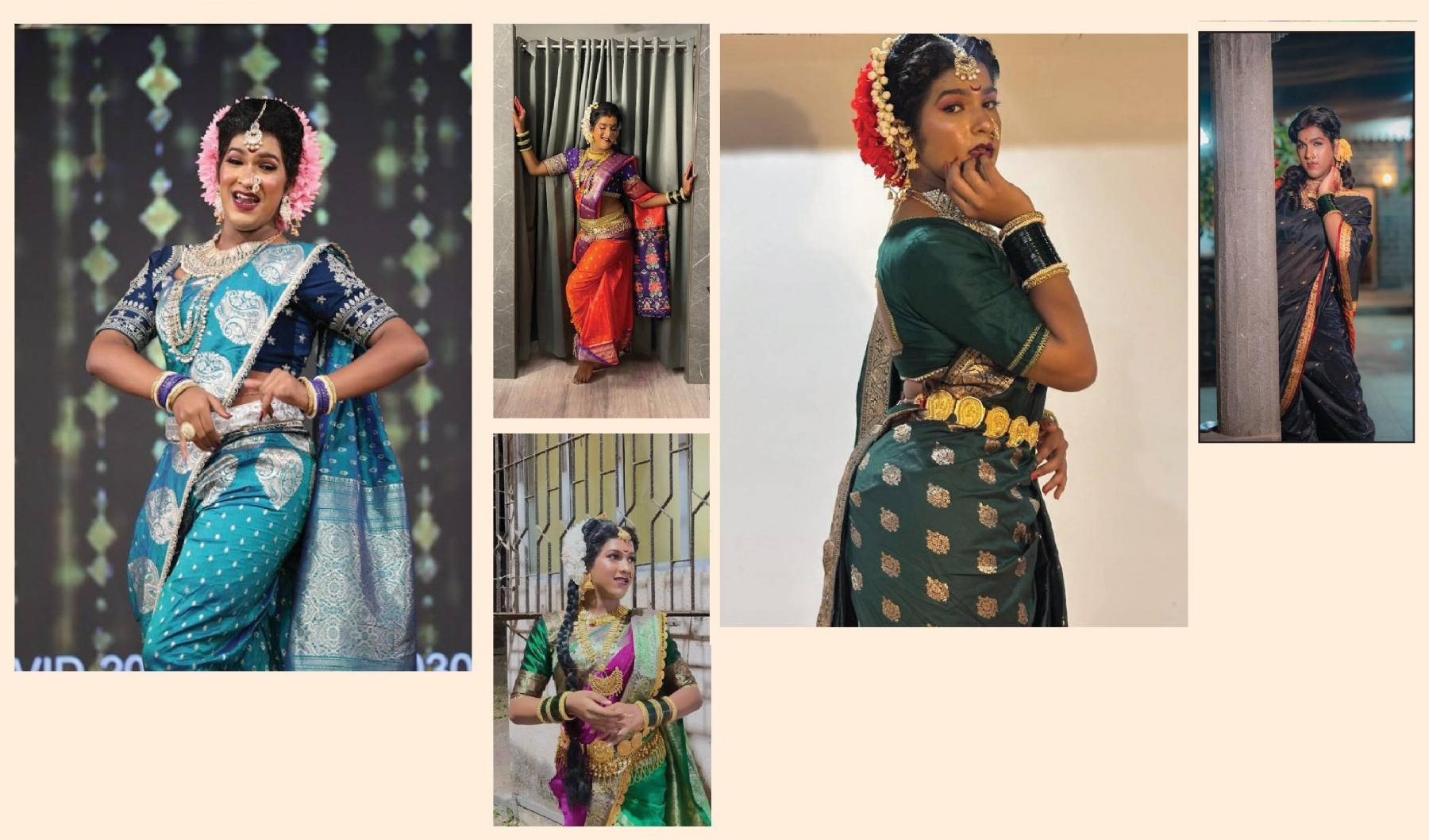
A dynamic and expressive performer, Shrey Panchal is known for breaking stereotypes as a male Lavani dancer. He has carved a unique space by embracing this traditionally female dance form with grace, strength, and authenticity. Shrey’s performances beautifully blend powerful expressions, intricate footwork, and theatrical storytelling. Through his art, he challenges societal norms and promotes inclusivity in Indian classical and folk dance.His journey stands as an inspiring example of passion, courage, and dedication to the performing arts.
Excerpts from the interview:
Tell me about your dancing journey. How did it all start?
Honestly, it started very innocently. I was always drawn to music and expressions. Even as a kid, rhythm would pull me in. I would observe performances very closely, especially the expressions and storytelling. Over time, dance stopped being something I simply enjoyed watching and became something I needed to do.
When I discovered Lavani, something clicked. The grace, the power, the abhinay, the boldness—it all felt magnetic. What started as curiosity slowly became a passion, and that passion became my identity.
How difficult was it to choose Lavani?
It was very difficult. Lavani is traditionally a female-dominated dance form. Choosing it as a man meant choosing criticism along with it. I knew people would question me. I knew there would be judgment. But sometimes your calling is louder than society. I chose Lavani because it made me feel alive, and that feeling was stronger than fear.
What kind of setbacks did you face, and what did you hear from people?
There were comments. Some people laughed. Some questioned my masculinity. Some said I was doing it for attention. Others told me to choose something more “appropriate” for a man. It hurt at times, I won’t lie. But every comment became fuel. Instead of stopping, I trained harder. I focused on improving my expressions, footwork, and grace. Slowly, the same people who doubted me started watching silently.
Today, now that you are a known name in the field of Lavani, how do you feel? What do those same people say now?
I feel grateful more than anything, grateful that I didn’t give up on myself and that I trusted my art. It’s interesting because some of the same people who questioned me now appreciate my work. Some even say they are proud. Success changes opinions, but struggle builds character. I value the journey more than the recognition.
You have performed in many shows. Which one has been your favourite?
My favourite performances are the ones where I feel completely connected to the audience. When there is silence during abhinay followed by loud applause at the end, that feeling is unmatched. A show that I direct, “Shrungar Kela Tumchyasathi,” always feels special because Lavani belongs to the soil. Performing in my own show feels like honouring tradition.
What would you say to other men who wish to learn Lavani?
Don’t let fear decide your life. If you feel drawn to Lavani, learn it with respect and sincerity. Train properly. Understand its history. Respect the women who have carried this art form for generations. Art has no gender—only society gives it one.
Some say men perform Lavani better than women. What do you think?
I don’t believe in “better” or “worse.” Lavani was preserved and carried forward by women for generations. Comparing genders takes away from the art. Every artist brings their own energy. A man performing Lavani may bring a different layer, but that doesn’t make it superior. Respect should always come first.
How difficult is it for a man to survive in a woman-dominated dance field?
It is challenging. You constantly have to prove yourself. You are judged more strictly and observed differently. But if your foundation is strong and your intention is pure, you not only survive, you thrive. At the end of the day, when the music starts and the ghungroos speak, the audience doesn’t see gender, they see the performance. And that is what truly matters.
Where do you see yourself 8 to 10 years from now?
I see myself not just performing but building something bigger, perhaps a strong training institute or a theatrical production centered around Lavani storytelling. I want to create space for more male Lavani artists so that the next generation doesn’t have to fight the same battles.