Buy Less, Keep Longer -Circular Interiors Are Becoming The New Luxury In Indian Homes
Total Views |


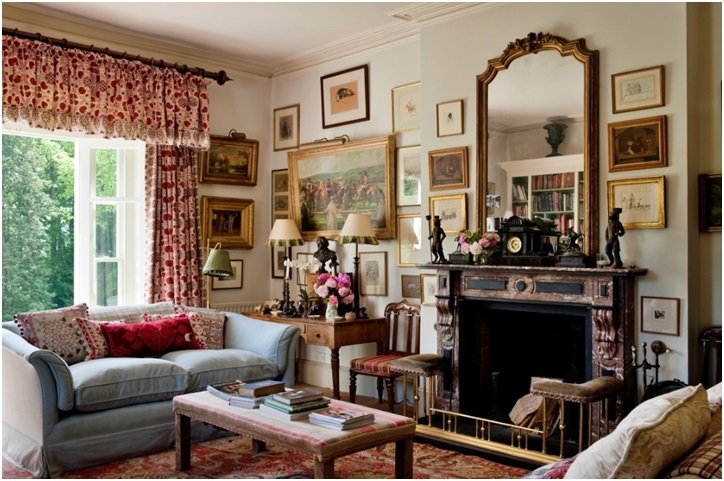
We have all been
there. The coffee table that looked magnificent under showroom lighting but
peeled at the edges. The sofa that surrendered after one enthusiastic Diwali
gathering. The wardrobe that looked less like storage and more like a hostage
negotiation between screws and particle board. For years, this was normal. We
bought fast furniture the way people buy fast fashion: inexpensive, trendy,
temporary. It wasn’t built to last. But now something interesting is happening
in homes across the world, and increasingly in India too.
People
are slowing down. Instead of buying furniture designed for the short term, they
are beginning to ask bigger questions. Will this last? Can it be repaired? Will
it grow with me? Can I change it without throwing it away? Welcome to the world
of circular interiors.
What
Are Circular Interiors?
Circular
interiors are built around one idea: stop throwing everything away. Furniture
is chosen not because it looks good for six months, but because it can survive
life itself: job changes, house moves, children, pets, and occasionally someone
spilling rasam on expensive upholstery. Think of it as the opposite of
disposable décor. Instead of buying a flimsy side table that collapses after
three years, people invest in solid materials that can age gracefully. Instead
of replacing furniture when tastes change, they modify or repurpose it. It is
less “buy, use, throw” and more “buy, adapt, keep.”
According
to Raghunandan Saraf, Founder and CEO of Saraf Furniture, this shift is
becoming increasingly visible in how consumers approach home buying decisions.
“As someone who deals with furniture, I've noticed that people are now looking
past short-lived solutions to invest in longer lasting options,” he says.
Take
something as ordinary as a dining table. Not long ago, many buyers preferred
particle-board furniture because it was cheaper and trendier. But increasingly,
people are opting for wooden dining tables instead; pieces that may cost more
initially but last much longer. A dining table, after all, isn’t just
furniture. It is where birthdays happen, arguments unfold, exams are studied
forand relatives judge your cooking! It deserves longevity.
Adaptability
Is The New Luxury
Saraf
points out that people are also moving away from traditional upholstered
furniture that requires constant replacement. Instead, modular sofa systems are
becoming popular because they can be rearranged, updated, or repurposed over
time. This is practical because modern life changes quickly. One year your
living room is for hosting friends. The next year it becomes a work-from-home
office. Then suddenly someone decides yoga is their personality, and space
becomes necessary. Modular furniture adapts.
Gopal
Suthar, Founder of handmade Indian furniture store Furniselan, says this
preference for flexibility is closely linked to how homes themselves are
evolving. “Compared to the past, consumers today value adaptability and the
longevity of furnishings,” he explains. Open layouts and changing family needs
have made multipurpose and modular furniture increasingly important.
Think
about urban living for a moment. Many city apartments now function as office,
entertainment zone, café, gym, therapy room, and occasional guest
accommodation... often simultaneously. Furniture, therefore, cannot afford
rigidity. The bookshelf might become a workspace divider. A storage bench
becomes seating for guests. Shelving evolves as lifestyles shift.
Good
For The Planet
Another
fascinating part of the circular interiors movement is the return of
refurbishment. For years, inheriting old furniture felt slightly embarrassing.
Every Indian home had that giant wooden cupboard that looked like it belonged
in a railway station waiting room. But now? That same cupboard gets polished,
repainted, reimagined as “vintage.”