The Many Shades Of Asha Bhosle: How She Mastered Every Genre With Ease
Total Views |


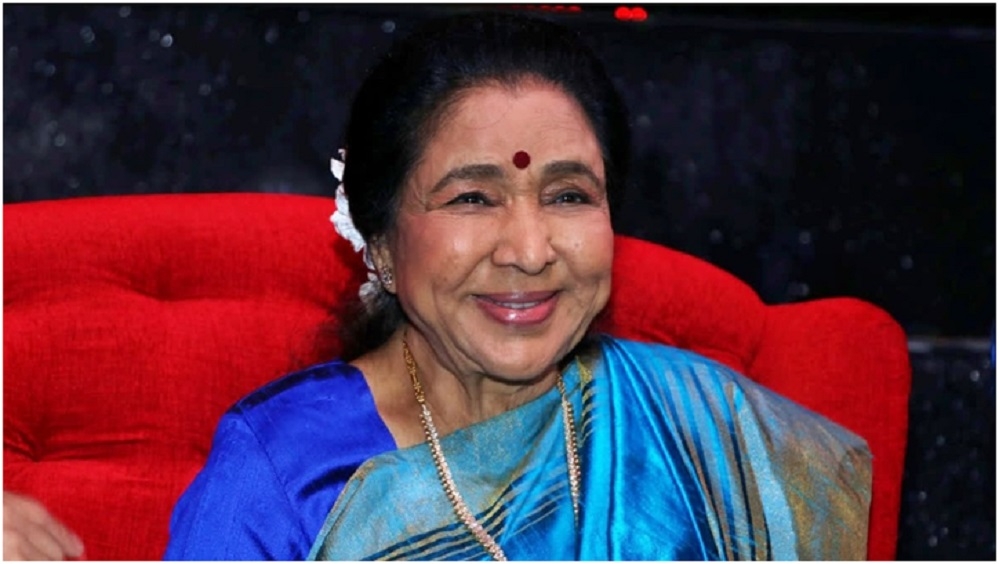
In the demise of Asha Bhosle, India has not just lost a singer but a voice that defined versatility across generations. For more than seventy years, she continued to make her mark in the world of Indian music by effortlessly shifting gears into different styles of singing that most other people find challenging to master even in a lifetime.
Among all the singers in the world, Asha Bhosle is one of those rare few who have been able to adjust her singing style to fit any mood or genre that comes her way. Asha Bhosle was born in the year 1933, and she started her musical career during the 1940s. Her ability to reinvent herself across decades made her more than just a playback singer.
Asha Bhosle's voice had the unique ability to adapt itself to any kind of genre, be it the bhajan or cabaret numbers, ghazal or pop track.
Bhajans
The formative years of Asha Bhosle were full of the essence of traditional music. She would sing bhajans with an absolute purity of voice, a result of her upbringing under the training of her father, Master Deenanath Mangeshkar. Her bhajans had a soothing effect on the listener, a reminder of her spiritual side.
She is renowned for popular Hindi devotional songs like Chalo Bulawa Aaya Hai, O Sheronwali, Sukhakarta Dukhaharta (Aarti), Rom Rom Mein Basne Wale Ram, and Ganpati Bappa Morya.
Ghazals
When it came to ghazals, Asha Bhosle was an artist who had a unique combination of both feelings and skill. This can be seen in her songs in movies like Umrao Jaan (1981). The songs such as Dil Cheez Kya Hai and In Aankhon Ki Masti are still regarded as classics today.
Her other famous ghazals include Mera Kuchh Samaan and Katra Katra from Ijaazat, along with non-film masterpieces like Dil Dhadakne Ka Sabab Yaad Aaya.
Pop & Cabaret
Asha Bhosle was also the queen of experimentation. In the 1960s and 70s, she provided her voice for songs in cabaret and pop numbers, which became big hits overnight. Songs like Piya Tu Ab To Aaja (1971) and Dum Maro Dum (1972) displayed her flair for bringing vigour, sensuality, and audacity into the act. With such songs, she established herself as the voice of modernity at a time when playback singing still remained traditional.
Her other iconic tracks include high-energy cabaret and pop numbers like Yeh Mera Dil, Jhumka Gira Re, Aao Na Gale Lag Jao Na, Raat Baaqi Baat Baaqi, and Jawani Janeman.
Romance
Her romantic songs carried a softness that touched millions. One of her most memorable folk-romantic numbers was Paan Khaye Saiyan Hamarao from Teesri Kasam (1966). Sung with Mukesh, the song showed how Asha Bhosle could adapt her voice to folk traditions while keeping the emotion intact.
Her top hits in the romantic genre include Chura Liya Hai Tumne, Abhi Na Jaao Chhod Kar, Dil Cheez Kya Hai, Aaiye Meherban, and Yeh Raatein Yeh Mausam.
Folk
In most cases, Asha Bhosle's folk songs had the ruggedness of rural life. It could be in the style of Bhojpuri or fun folk music in Hindi films. In most cases, she could shift from sophisticated city music to simple country music effortlessly.
Her folk-inspired songs prove her amazing versatility that transcends cabaret music and pop. Her compositions use the rhythm of traditional Marathi and North Indian folk songs. Some of her hits include Aavi Rudi Aajawali Raat (Navrang Chundadi), Dharani Aaichi Maya, Lava Ga Lava Bai Halad Angala, and her numerous versions of Marathi Koli geet.
Marathi Natya Sangeet
Beyond Bollywood, Asha Bhosle remained deeply connected to her Marathi roots. She sang in the tradition of natya sangeet. One of her key masterpieces is from Ekach Hya Janmi Janu. Her other top Marathi natya sangeet and classical gems include Kevha Tari Pahate, Saanj Ye Gokuli, Rutu Hirwa, Dhundi Kalyana, and Jambhul Pikalya
Zadakhali.
She worked with numerous different music composers like Omkar Prasad Nayyar, Kalyanji-Anandji, Sudhir Phadke, Shridhar Phadke, AR Rahman, Yashwant Dev, Vasant Desai, Pandit Hridaynath Mangeshkar, C Ramchandra, late SD Burman, and late RD Burman, and this also shows her ability to adapt to different styles.