Tracing The Evolution Of Resortwear Favourite, The Kaftan
Total Views |


There are certain garments in the world that seem to have been invented by people who genuinely cared about human comfort. The kaftan is one of them. Most clothes appear to have been designed by committees determined to ensure that humans remain slightly uncomfortable at all times. Ties choke the neck. Jeans refuse to cooperate with lunch. Formal shoes punish the feet for past sins we don't remember committing. The kaftan, on the other hand, seems to have been invented by someone who looked at the entire concept of clothing and thought: What if we simply made something that felt nice to wear?
A Garment Fit for Kings
The kaftan’s story begins not in modern boutiques or beach resorts but in the lavish courts of ancient West Asia, where clothing was less about following trends and more about projecting power, wealth and elegance.
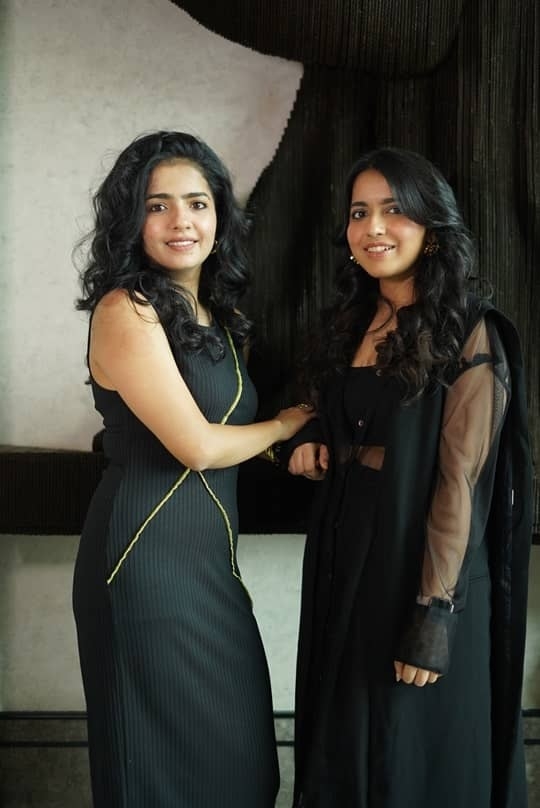
According to fashion designer duo Ritika and Prerna, founders of the label Urmil, the kaftan was historically worn by royalty and nobility. “The kaftan originated in ancient West Asia, where it was worn by royalty and nobility,” they explain. “Traditionally made in rich fabrics and adorned with embroidery, it symbolised status, elegance, and comfort.”
From Persia to the Ottoman Empire, the kaftan became an essential part of royal wardrobes. In fact, Ottoman sultans were known to gift elaborate kaftans as marks of honour.
The Travelling Garment
What makes the kaftan especially fascinating is that it did not stay within one geographical boundary. Like many of history’s most interesting ideas (spices, mathematics), it travelled. Over centuries, the silhouette moved across cultures and continents, adapting to local tastes, fabrics, and climates. It appeared in North Africa, the Middle East, Central Asia, and eventually Europe.
By the 20th century, the kaftan had caught the attention of global fashion designers who recognised something important: here was a garment that combined comfort and drama, a rare and valuable pairing in fashion. It became particularly popular during the 1960s and 1970s, when designers embraced flowing silhouettes and bohemian aesthetics. Fashion icons and Hollywood celebrities adopted kaftans as glamorous alternatives to restrictive evening wear. Suddenly, the robe that was once worn by sultans was appearing at seaside resorts and cocktail parties.
The Kaftan Goes Global
What makes the kaftan remarkable today is how effortlessly it moves between contexts. One moment it is a luxurious embroidered evening piece. The next it is a breezy resort outfit worn while contemplating a coconut drink beside the sea. This adaptability is exactly why it has remained relevant across centuries. “The kaftan has become a global fashion staple,” says designer Prerna. “It effortlessly combines comfort with sophistication, making it perfect for resort wear, evening dressing, and contemporary everyday style.”
If modern fashion has taught us anything, it is that people enjoy looking elegant without feeling as though they are trapped inside their clothes. The kaftan accomplishes this with admirable ease. It drapes rather than clings. It moves rather than restricts. It allows people to exist comfortably inside their garments.
Why India Fell in Love With The Kaftan
If there is a country where the kaftan has found particularly enthusiastic admirers, it is India. Part of the reason is practical. India is a warm country, and flowing garments that allow air circulation tend to be welcomed with gratitude. But there is another reason.
“The kaftan works beautifully for Indian women because it is both versatile and flattering for a wide range of body types,” explains Ritika. “Its silhouette drapes gracefully, offering ease and comfort.”
Unlike more structured garments that demand precise tailoring and occasionally unreasonable expectations of the human body, the kaftan is remarkably forgiving. It adapts to the wearer rather than demanding that the wearer adapt to it. The kaftan’s success in India also lies in its creative possibilities. Designers have discovered that the garment serves as a wonderful canvas for traditional Indian craftsmanship. “Another reason it resonates strongly in India is its adaptability,” the designers note. “Designers can incorporate traditional textiles, hand embroidery, and craft techniques, transforming the kaftan into something that feels both global and deeply rooted in Indian aesthetics.”
This means a single silhouette can be reimagined through block prints, chikankari embroidery, mirror work, silk weaves, or handloom fabrics, giving each piece a distinct cultural identity. It is, in short, a global garment that happily embraces local stories.