The lentil habit: A surprising wallet tradition for good for ..
Total Views |


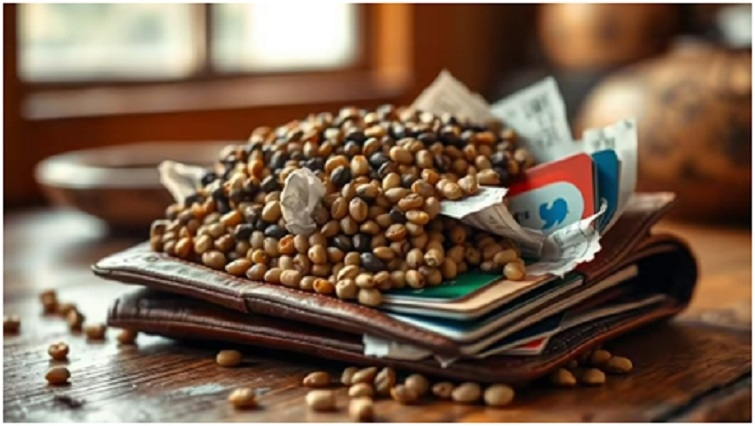
On the surface, it sounds strange. Lentils are stuffed inside a wallet alongside receipts and card slips. But for most people, there is much more to this act than meets the eye.
The importance of lentils goes beyond their nutritional value. In many cultures, across many generations, lentils represent prosperity, longevity, and the hope that one will have economic stability. Something mundane may easily turn into tradition and superstition.
Symbol of prosperity, luck, and culture
One of the reasons behind the endurance of this custom is its appearance. Because lentils resemble little coins, people started associating lentils with abundance, and lentils were always kept close at hand, usually in one’s wallet.
This notion is common across various cultures and can be seen in many instances. For example, Italian and Hungarian traditions incorporate lentils into their New Year festivities. People prepare dishes from lentils during the last night of the year and hope that the coming year will bring them prosperity. This concept is simple – start with something symbolising wealth, and this mindset will follow you throughout the upcoming months. It occurs in various texts, such as Cultural meanings in food rituals by Cambridge University Press, in which lentils evolve from basic sustenance to major symbolism in the ritual of prosperity. However, the symbolism of this product goes far beyond money-related notions. According to Judaism, lentils are served during the period of mourning because their circular form represents eternity. Thus, there are multiple meanings associated with lentils and, therefore, they take part in different rituals.
For many individuals today, carrying their lentils is not related to superstition. They have to maintain a connection with their culture through something simple and easy.
Reasons behind the persistence of this tradition
In an age of continuous changes and transitions, the need to control oneself is of great importance. This particular practice is easy to follow and does not take much time.
Many psychological studies have been conducted, such as Why rituals work published in Psychology Today, and they prove that simple, repeated actions influence our behaviour and thinking. Even a small thing like a lentil can become a trigger for us to focus on our budgeting, saving money, or long-term planning.
Overflowing Leather Wallet Contents
This simple act, a tangible connection to heritage, influences mindset and encourages financial discipline, proving small ceremonies hold significant meaning.
The practice is a matter of personal choice and belief. People may not adhere to all of the rules mentioned above, but would appreciate the concept behind the ritual. Having lentils becomes a symbol of their expectations and aspirations and an expression of hope, self-discipline, and stability.
Recently, there has been a growing tendency to incorporate this kind of ritual into people’s lives. Such practices and ideas are discussed by many lifestyle and home-related publications. They stress that putting a meaningful object into something as close as a wallet becomes routine and deliberate.
There are many who do not take it seriously, considering it only a harmless custom that does not have any real power or influence. However, its continued presence in different locations must imply something worthwhile, either in providing consolation or in passing on ancient traditions without much effort.
While the lentil bean is not very impressive in size, its meaning has managed to survive and endure through the ages, finding expression both in grand celebrations and in the humblest forms.
Putting them in one’s wallet will certainly not result in instant financial stability. Nevertheless, the act itself says so much about human nature, traditions, and symbolism.
What really counts in the end is what the lentils represent – something to hope for, an association with the past, and how small ceremonies acquire significance by virtue of them.