Smart Summer Styling For Compact Spaces: How To Make A Small Room Look And Feel Airy
Total Views |


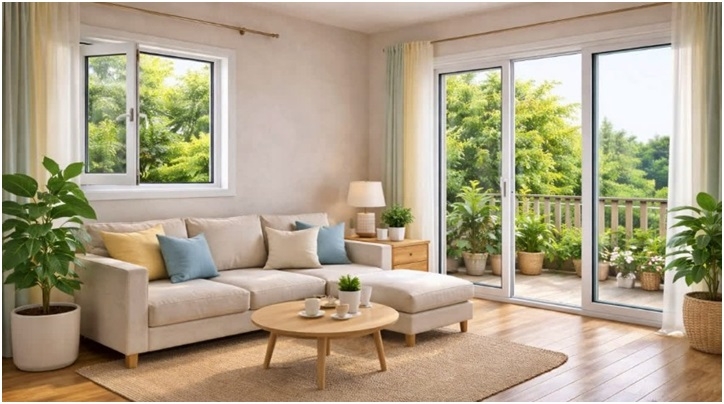
As the temperature rises, the rooms appear to shrink. Chairs begin to feel closer to tables. Beds seem to swell slightly like bread dough. This is particularly noticeable in compact homes, where summer has a way of announcing itself not with sunshine but with the sensation that the walls have leaned inward slightly to see what you’re doing.
The good news is that small spaces are remarkably cooperative once you know how to treat them. With a few thoughtful adjustments (some involving colour, fabric, furniture arrangement, and a dash of architectural common sense) you can make even the tiniest room feel airy, bright, and pleasantly breathable. Let’s explore the art of smart summer styling for compact spaces, which is less about interior design wizardry and more about convincing your home to relax.
Use Light Colours
One of the most reliable ways to make a room feel larger is to enlist the help of colour. Kunwar Gaurav Giri, Chairperson of Annapurna Hostel, recommends leaning heavily toward light-coloured decorative pillows, curtains, and sheets. Light tones perform two useful tricks simultaneously. First, they reflect heat and light, which keeps the room feeling cooler. Second, they create the impression of space by bouncing light around like an enthusiastic badminton player.
“Light-coloured decorative pillows, curtains, and sheets reflect heat from the walls and create a sense of warmth and openness in the home, making the space feel larger,” he explains. The key idea is simple: darker colours tend to absorb light and make a room feel smaller, while lighter colours behave like polite mirrors. Think of shades like soft whites, pale blues, muted yellows, gentle pastels. These tones create the sort of visual atmosphere that whispers, “Everything is calm and breathable here.”
Switch To Cotton Upholstery
Summer is not the season for heavy fabrics that feel like they were originally intended to upholster medieval armour. Instead, your home benefits enormously from the quiet genius of cotton. Giri points out that cotton is an excellent choice for sleeping, studying, and generally surviving summer with dignity. “Cotton is soft and breathable, which helps keep the space cool during summer months,” he says. Cotton works so well because it allows air to circulate freely. Unlike synthetic materials, it doesn’t trap heat and moisture, which means your bedding and upholstery feel fresher.
Consider switching to cotton bedsheets, cotton cushion covers, light cotton curtains. The result is a room that feels significantly more breathable.
Windows For Airflow
When it comes to summer comfort, there is one element of design that deserves far more appreciation than it receives: the window. Airflow is essentially the difference between a room that feels refreshing and one that feels like the inside of a suitcase. Ankit Modi, Managing Director of Durakraft Extrusions, points out that upgrading windows can dramatically improve ventilation and natural light. “One option is adding a uPVC casement window, which fully opens and allows better airflow in the room,” he explains. uPVC (Unplasticized Polyvinyl Chloride) windows are durable, low-maintenance, and energy-efficient window frames made from rigid, eco-friendly plastic that resists weathering, corrosion, and UV rays. Casement windows are particularly effective because they swing open entirely rather than partially, encouraging fresh air to move through the space. Even better, they tend to complement a wide range of architectural styles, which means your home gains both ventilation and aesthetic appeal.
Another excellent upgrade, Modi says, is replacing older double-hung windows with uPVC sliding windows and doors. These designs offer two important advantages: They allow more natural light and airflow, and they save space, since sliding panels don’t require extra room to open. In compact homes, that space-saving feature can be surprisingly valuable.
The Art Of Not Blocking the Room
Compact spaces benefit enormously from a thoughtful furniture arrangement. Unfortunately, many small rooms are arranged with incorrect spatial logic. Giri recommends arranging furniture carefully and incorporating usable items into the design. This means every piece of furniture should ideally perform a purpose rather than simply exist because it once looked appealing in a showroom. “Not only is the placement of furniture to ensure sufficient natural light and airflow a key component, but including indoor plants in your room would add to the quality of air circulation,” says Modi.
A few strategies help tremendously:
Choose multi-functional furniture
Avoid overcrowding the room
Keep walking pathways clear
Position furniture to maximise light flow
Let The Light In
Natural light has a remarkable ability to transform small spaces. A well-lit room feels larger, cleaner, and more welcoming. Sliding windows and doors are particularly useful here because they maximise the amount of sunlight entering the home. Of course, sunlight must be treated with respect. Too much of it can turn your living room into a greenhouse. That’s where light cotton curtains perform their heroics: filtering light gently without blocking airflow. The result is the kind of soft daylight that makes rooms feel pleasant rather than punishing.
Compact spaces are often unfairly underestimated. They may not have sweeping hallways or dramatic staircases, but they possess efficiency. With the right styling choices, even a small room can feel fresh, comfortable, and elegant. Your home may not grow physically larger, but it will feel as though it finally remembered how to breathe.