Food Label Clues That Tell You If Your Groceries Are Actually Good, And Not Just Cleverly Packaged
Total Views |


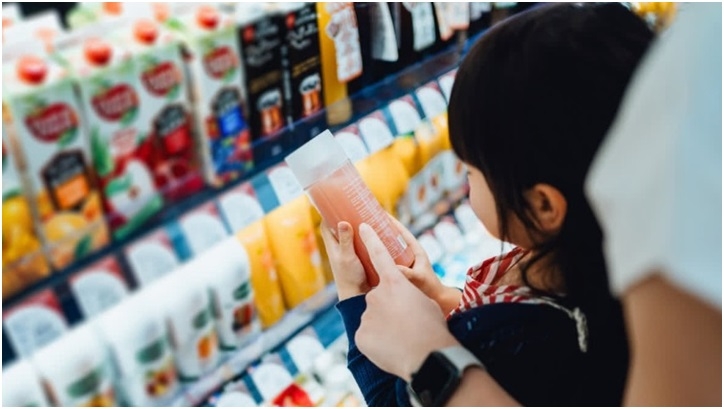
Walk into any supermarket today and you will experience what we call The Great Packet Illusion. Everything looks healthy. One packet says “natural.” Another says “farm fresh.” A third one screams “organic.” But most of the real information about food isn’t on the front of the pack. It’s hiding on the back label in small letters. Those tiny abbreviations look like random alphabet soup but they actually tell you something important about quality, freshness, and how the food was processed.
According to Dr. Manika Singh, Nutritional Consultant at Godrej Industries Group, understanding these labels can completely change the way you shop. In other words, if you know what to look for, you can spot the difference between good food and cleverly marketed food. Let’s decode some of the most useful label clues.
1. BBE
When we pick up packaged food, we usually do one thing: hunt for the expiry date like it’s a bomb countdown. But right next to that, you’ll often see something called BBE (stands for Best Before End). Most people completely ignore it. Dr. Singh explains that BBE is about quality. In simple terms:
Expiry date = when food may no longer be safe to eat
Best Before End (BBE) = when the product is at its best taste, texture, and freshness
Think of BBE like the “peak performance” date of the food. A biscuit eaten before the BBE date will taste crisp and fresh. Eat it months later and it might still be technically safe but it may taste like cardboard. So next time you buy packaged food, don’t just check expiry. Check BBE if you actually want the food to taste good.
2. IQF
Many people assume frozen food is inferior because they imagine a sad block of ice with vegetables trapped inside like prehistoric fossils. But modern freezing technology has come a long way. Dr. Singh points to a surprising statistic from the STTEM 2.0 report by Godrej Yummiez: 85% of Indians don’t know what IQF means, because IQF (short for Individually Quick Frozen) is actually one of the best methods of freezing food.Here’s how it works: Instead of freezing food in a big lump, each piece is frozen separately and extremely fast. So, food doesn’t clump together, moisture stays locked inside, texture stays intact, pieces cook evenly. Dr. Singh explains that IQF keeps the natural bite and flavour intact. Godrej Yummiez uses IQF technology for all their products.
3. HPP
Next up is something that sounds like it belongs in a physics lab: HPP (stands for High-Pressure Processing). But don’t let the name scare you. It’s actually one of the smartest food preservation technologies today. Dr. Singh explains that HPP uses extremely high pressure instead of heat to preserve food. Heat often destroys nutrients and alters taste. HPP, on the other hand, keeps the food closer to its natural state.
This method is commonly used for juices, dips, ready-to-eat meals, or fresh sauces. It kills harmful bacteria while preserving flavour, texture, and nutrients.
4. FD
FD stands for Freeze-Dried. In normal drying, heat removes moisture from food. But heat can also damage flavour, nutrients, and colour. Freeze-drying means food is frozen first, and then the moisture is removed without high heat. The taste remains strong, colours stay vibrant and nutrients stay more intact. Dr. Singh explains that freeze-dried foods keep their natural flavour and nutritional profile better than many conventional drying methods. That’s why freeze-dried strawberries, for example, often taste almost like fresh strawberries.
Abbreviations like BBE and FD tell you how the food was stored, preserved, and processed. These details reveal far more about the product than the glossy images on the front.