What Makes Food From Northeast Indian States So Different?
Total Views |


The World Voice
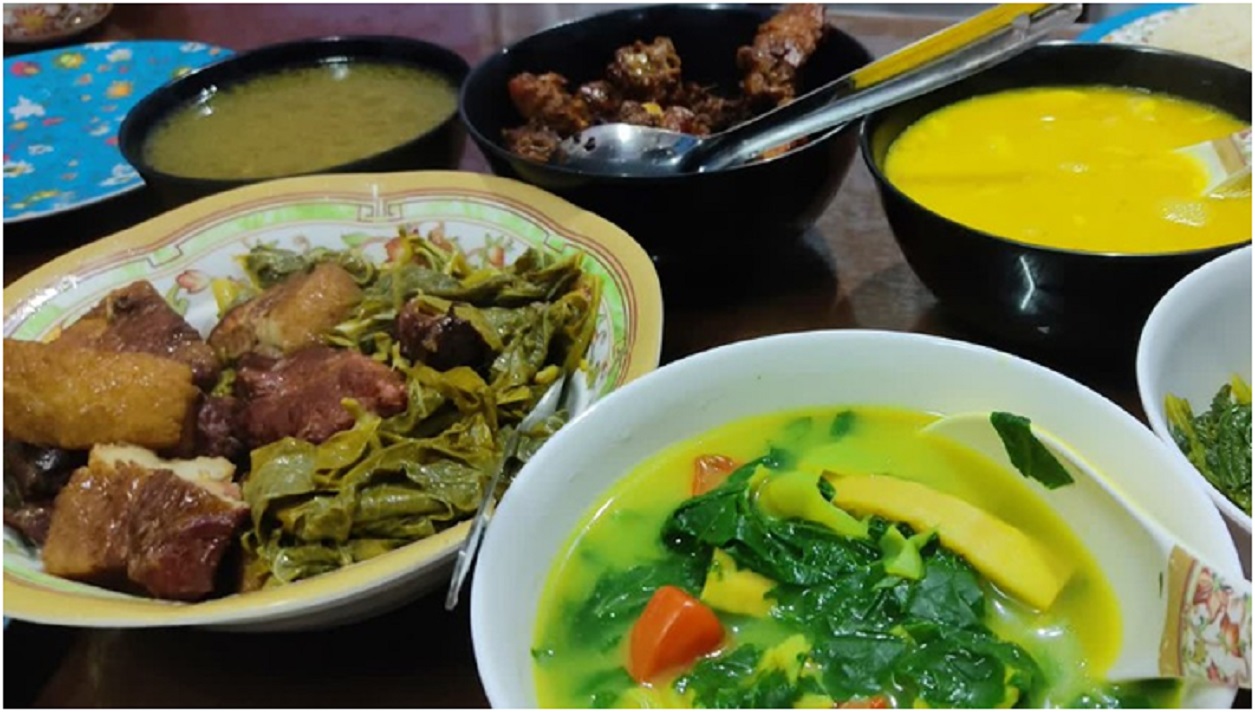
Indian food is known to be a little enthusiastic with its spices. We have gravies that require multiple rotis to negotiate properly and masalas that seem to have been assembled by a person who hasn't heard of restraint. And then you go to Northeast India, and you have a totally different conversation on the plate. The flavour is often derived from fermentation, smoking, steaming, fresh herbs and indigenous ingredients rather than from complex spice blends.
The Northeast is not a single culinary destination with eight slightly different menus. Assam doesn’t taste like Nagaland, which doesn’t taste like Manipur, and Meghalaya has its own food identity. What unites them is a style of cooking determined by local produce, climate, geography and tradition.
Also read: Interview | Chef Tenzin Khetsok Wants You To Explore Pan Asian Cuisine Beyond Sushi And Dim Sum
“Indigenous ingredients, traditional cooking techniques and food practices passed from generation to generation add a unique character to the cuisine of the region, ” says Pardeep Siwach, General Manager, Mayfair Spring Valley Resort, Guwahati. In the states, you can find various combinations of fermented fish and soybeans, smoked meat, fresh herbs and native vegetables. Even when the cooking methods are the same, the flavours that result can be remarkably different.
Banana leaf used for cooking
Banana leaf used for cooking in Guwahati, Assam (Getty Images)
Less Spice, More Technique
One of the most interesting things about Northeast Indian food is that it often lets the ingredient speak for itself. “Northeast Indian food is different because it is based on technique rather than masala, ” says Nitya Sareen of The Bar Consultants, a full-service hospitality and F&B consulting company. Fermentation, smoking, steaming and the use of foraged greens give the dishes their unique character. These are not culinary decorations. They were created as practical ways to keep food fresh and to use the local ingredients to their best advantage.
Also read: Cuisine Is History You Can Taste, See How Culture Leaves Fingerprints On The Food
Assam is a particularly interesting case. Its cuisine uses mustard oil, khar and tenga to make flavours that can be earthy, alkaline, tangy and fresh. Khar is an alkaline extract which is traditionally prepared by percolating water through the ashes of sun-dried banana peel. Tengas are sour preparations and may contain ingredients such as elephant apple, tomato or lemon. Cooking in bamboo or steaming in banana leaf also helps to retain the natural character of the ingredients.
Fermentation: The Region’s Secret Weapon
The food of Northeast India is given distinctive aromas, sour notes and savoury depths by fermented ingredients. They are also involved in traditional preservation. In Nagaland, axone, a fermented soybean, is a key ingredient. A popular preparation is smoked pork with axone, where the fermented soybeans give the meat a strong, earthy flavour. Add in Raja Mircha, or Naga King Chili, and you get a dish that doesn't bother with subtle introductions.
Dohneiiong dish from Meghalaya
Dohneiiong is a traditional pork dish from the Khasi tribe of Meghalaya (Getty Images)
Also read: The Rise Of The Foodie Traveller: How Culinary Experiences Are Shaping India’s Holiday Plans
Manipur has a relationship with fermented ingredients of its own. Eromba is prepared by mashing boiled vegetables and red chilies with fermented fish. It is a dish that combines heat, texture, and a strong savory flavour. Singju is another popular preparation which is a spicy salad made from fresh vegetables and herbs. Tripura's Mui Borok often incorporates berma, which is dried and fermented fish, lending a strong savory flavour. Fermented fish is also found in different forms across the region, sometimes as an ingredient in chutneys and mashes, sometimes as a vital flavouring in everyday meals.
Smoky Meats And Small Fish
Smoking is another important feature of cooking in Northeast India. It enhances the flavour of meat and fish and helps to preserve food. Pork is especially important in a number of regional food traditions, often with fermented ingredients, herbs and local chilies. “When we worked on projects in Assam, the thing that impressed upon me most is how nose-to-tail and resourceful the cooking is, ” recalls Sareen.
Small river fish can be fried crisp, sun dried, smoked or fermented and eaten whole or pounded into chutneys and mashes with chili, ginger and herbs. Sareen points out, “These are not side notes. They are preservation methods that evolved around monsoon-heavy geography.” There is a culinary intelligence in this approach. Rather than treating preservation as separate from cooking, these communities have made it part of the flavour itself.
Eight States, Eight Different Food Stories
If you want to understand Northeast Indian cuisine the best way is to stop searching for one defining dish. Each state has its own ingredients, cooking traditions and favourite mixes. Even within each state, the cuisines are varied with different communities and local food habits. But these dishes make for a good starting point for anyone curious about the region:
Zan is a traditional thick porridge made from millet or other grains in Arunachal Pradesh. It is a common staple in many households.
In Nagaland, you can taste the combination of smoked pork, axone and raja mircha. The fermented soybeans give the earthy intensity and there is plenty of heat from the chili.
Eromba and singju are two different ways of working with vegetables, herbs and fermented fish in Manipur. Eromba is mashed and hearty, singju is fresh, crunchy and spicy.
Jadoh is a popular rice dish in Meghalaya, often cooked with pork. It is a dish that brings together the comforting taste of rice and the savory richness of meat. Mizoram’s bai is a stew, usually made with mustard greens and bamboo shoots, and smoked pork or fish. Its character comes from the use of vegetables and other local ingredients, instead of a fancy masala.
Momos are very popular in Sikkim and have become popular well beyond the region.
Another traditional ingredient is gundruk, a fermented leafy green used in soups.
In Tripura, mui borok is often prepared with berma, a dried and fermented fish that adds the characteristic savory flavor to the food.
How To Eat A Meal From Northeast India
If this is your first time trying these cuisines, the best advice is to approach it with curiosity rather than with any pre-conceived notions:
Begin with questions about the ingredients. Fermented soybeans, fermented fish, bamboo shoots and indigenous greens might be foreign, but they are often what gives the dishes their identity.
If you like smoky flavors then look for dishes with smoked pork or fish.
If you like something fresh and sharp, go for vegetable-based preparations like singju.
Assamese tenga dishes are for those who love sour flavours.
You may also want to ask about the chili heat before ordering. Raja Mircha and Bhut Jolokia (aka Ghost Pepper) have a fearsome reputation.
Don’t be tempted to judge a dish by its resemblance to the foods you already know. There is a certain logic to northeast Indian food. If you leave the meal having found a new favourite ingredient, all the better. There’s always another state, another kitchen, another mystery dish to be discovered.