WHO Seeks Clarity From Russia After Irkutsk Lab Worker Dies Of 'Pneumonic Plague'
Total Views |


New Delhi : Following the death of a laboratory worker in Russia's Irkutsk oblast due to "severe pneumonia", the World Health Organisation (WHO) has sought further information from Russian authorities, saying conflicting reports about a possible pneumonic plague exposure must be clarified under international health regulations.
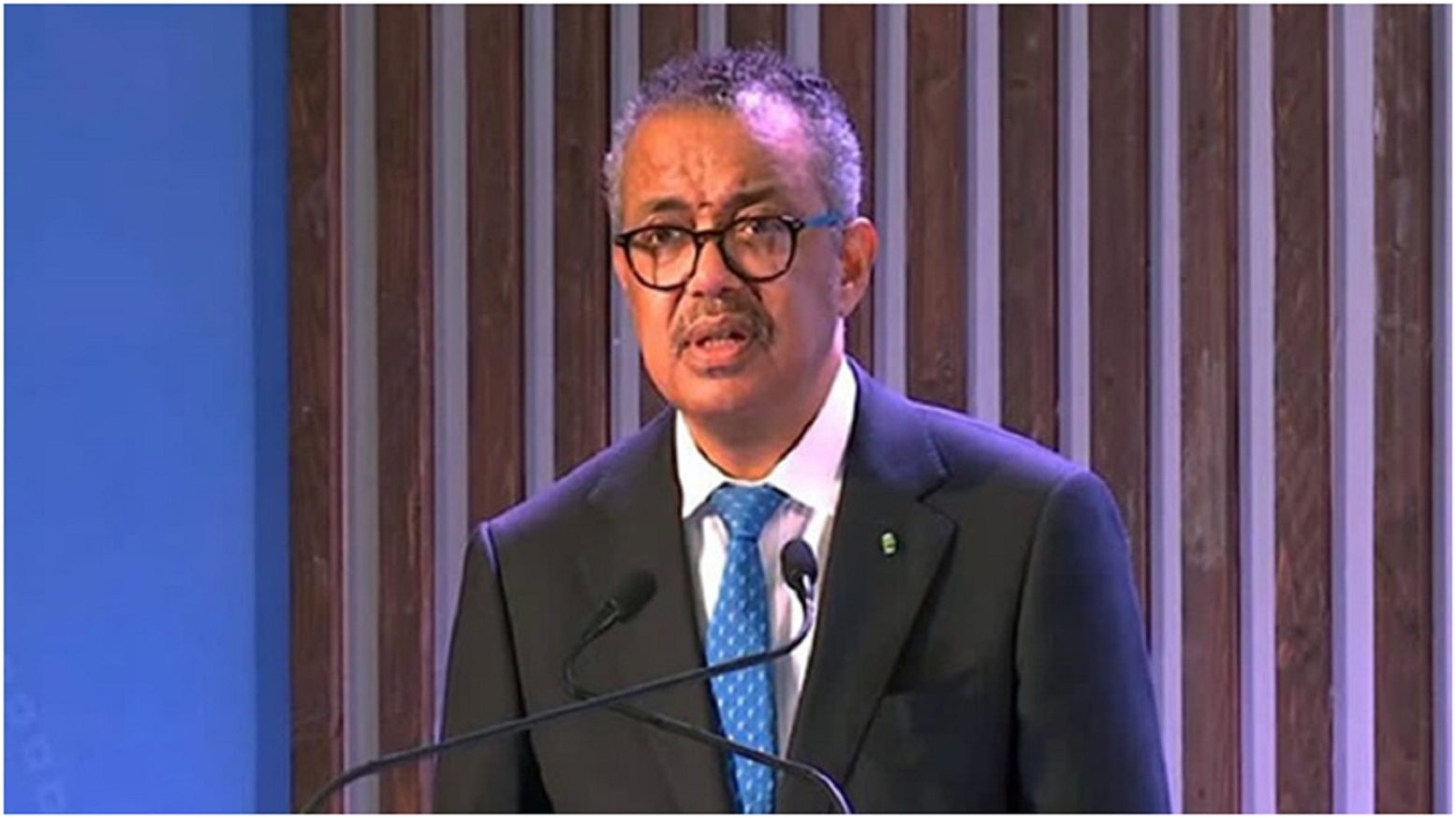
Expressing concerns, WHO Director-General Tedros Adhanom Ghebreyesus said he has sought details about the cause of severe pneumonia and a clarity on reports of a possible pneumonic plague exposure at the regions's Antiplague Research Institute.
In a post on X, Tedros said, "Since the first media reports, WHO has been actively following up on the reported death of a laboratory worker at the Irkutsk Antiplague Research Institute in Irkutsk oblast, Russian Federation. The individual died on October 2, 2026, after being hospitalised with severe pneumonia. Initial media reports suggested pneumonic plague following an alleged accidental laboratory exposure."
However, the Russian health authorities said no case of plague had recently been registered in Irkutsk oblast, Tedros said.
"In response to WHO's verification request under the International Health Regulations, the Russian health authorities reported that no case of plague had recently been registered in Irkutsk oblast. They informed WHO that an epidemiological investigation had been conducted, preventive and control measures implemented, and identified contacts placed under medical observation and tested," he stated.
According to the information shared by Russian authorities with the WHO, no high-threat pathogens had been detected among the contacts and that medical observation of all identified contacts had been completed.
Tedros said WHO has been in contact with the Russian health authorities and has offered technical support.
At the same time, he said, WHO has requested further information to clarify the cause of the severe pneumonia, the pathogen that prompted the public health measures, and media reports of a second employee with pneumonia of undetermined cause.
"Timely, complete and transparent information sharing under the International Health Regulations is essential to clarify conflicting reports and enable an accurate assessment of potential public health risks," the WHO chief said.
Closely Monitoring, Says CDC
Meanwhile, Centers for Disease Control and Prevention (CDC), the national public health agency of the United States, said it is closely monitoring the suspected pneumonic plague case in Siberia.
"At this time, there is no indication of a broader threat to the United States, but CDC and our interagency partners are prepared and will continue to monitor the situation closely," CDC said in a post on X.
The situation has triggered a call between US President Donald Trump and Russian President Vladimir Putin, with Trump saying that he would speak to the Russian leader "very soon".
Speaking to reporters at the White House, Trump said he has a call scheduled with Putin to discuss the possible case of plague at the Siberian research institute.
Asked what the US intelligence community is saying about the case, Trump said the US is in "very deep discussions" on the topic. "We will be able to report about it, probably tomorrow," he added.
As per CDC, pneumonic plague can spread person-to-person through respiratory droplets during close contact, "which is why rapid identification and treatment of infected individuals, and monitoring of potentially exposed individuals, are important public health measures".