Dharamshala International Film Festival Returns with Independent Cinema from 40 Countries
Total Views |


95 Films to Be Screened During Four-Day Festival; Himalayan Stories, International Features, Documentaries and Filmmaker Discussions Take Centre Stage
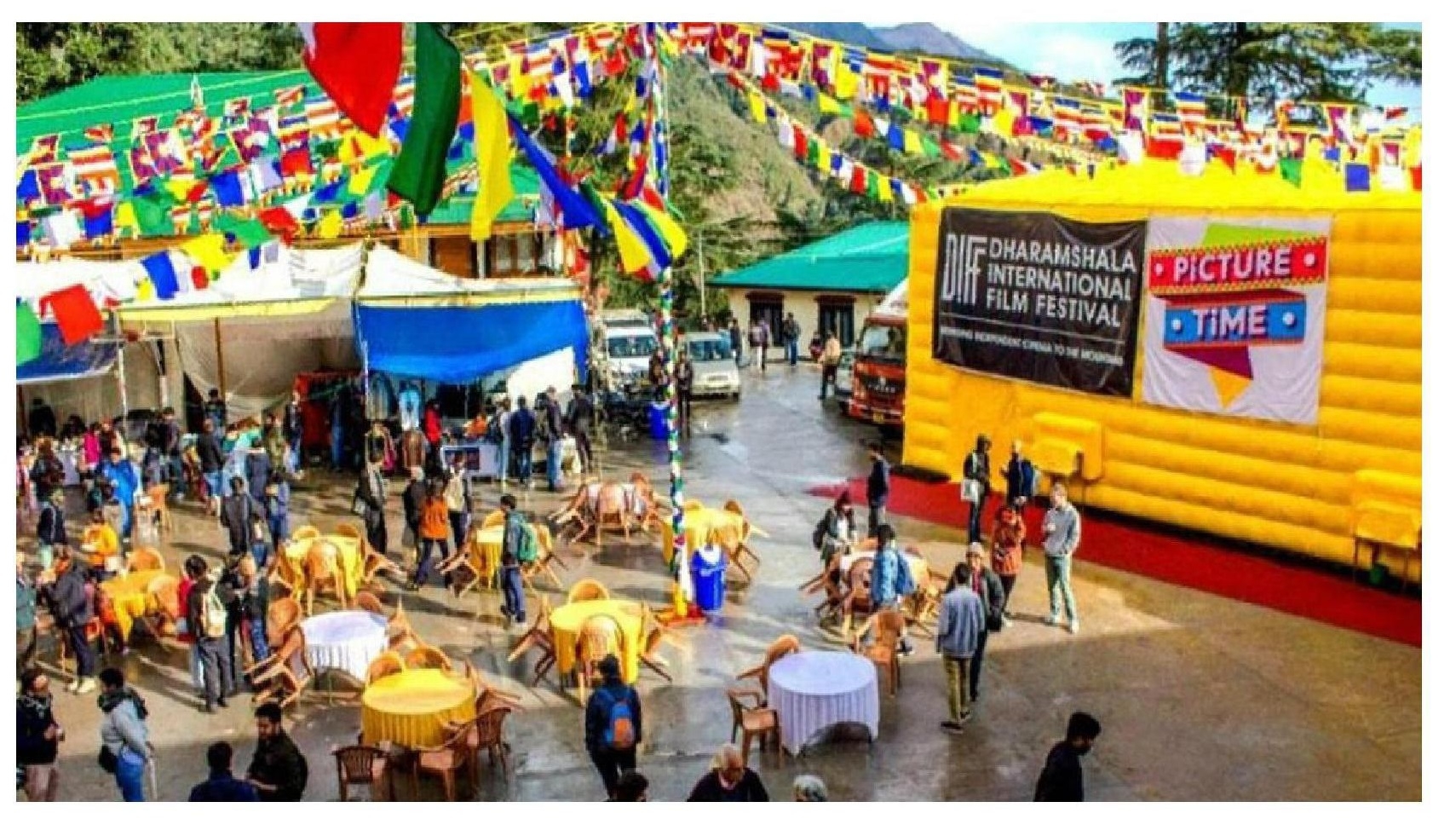
DHARAMSHALA, October 29: The 15th edition of the Dharamshala International Film Festival (DIFF) begins on October 29, bringing together independent filmmakers, cinema enthusiasts and cultural practitioners for four days of films, discussions and creative exchanges in Himachal Pradesh. Scheduled to run until November 1, the festival is being held at the Tibetan Children’s Village (TCV) in Upper Dharamshala, against the backdrop of the Dhauladhar mountain range.
This year’s festival features an ambitious selection of 95 films from 40 countries, including nine films from the Himalayan region. The programme combines Indian independent cinema, international features, documentaries and short films with workshops, masterclasses, panel discussions, filmmaker interactions and mentorship opportunities. The event aims to create a space where audiences can experience cinema beyond conventional commercial storytelling and engage with filmmakers about the ideas and experiences behind their work.
Founded in 2012 by filmmakers Ritu Sarin and Tenzing Sonam, DIFF has developed into an important platform for independent filmmaking in India. The festival focuses on distinctive cinematic voices, experimental approaches to storytelling and films that explore social, cultural and environmental realities.
Unlike mainstream film events that often centre on celebrity appearances and commercial releases, DIFF places emphasis on the relationship between filmmakers and audiences. Screenings are complemented by conversations and question-and-answer sessions, giving viewers opportunities to understand the creative decisions, challenges and perspectives that shape individual films.
The festival directors have emphasised the importance of creating a shared space where audiences and filmmakers can spend time together beyond the screening room. This approach has remained central to the festival as it enters its 15th edition.
The festival opens with Not a Hero, the latest film by acclaimed Indian filmmaker Rima Das. The film, receiving its South Asian premiere at DIFF, follows a young boy who moves from the city to his ancestral village. There, new friendships and encounters with the natural world introduce him to a different way of life.
The film’s premise reflects several themes that resonate with contemporary Indian society, including childhood, changing lifestyles, community relationships and the connection between people and their environment. By placing a young protagonist in a rural setting, the story explores how a change in surroundings can influence an individual's understanding of the world.
The opening selection also reflects the festival’s interest in cinema that approaches familiar experiences through personal and culturally grounded perspectives. Rima Das has gained recognition for her independent filmmaking and her ability to explore everyday life through intimate storytelling.
‘Rehmat’ explores memory, conflict and compassion
One of the prominent Indian selections is Rehmat, directed by Gurvinder Singh. The film brings together four stories based on the writings of Punjabi author Ajeet Cour. Set in contemporary Punjab, the narratives explore displacement, memory, conflict and compassion. Through interconnected human experiences, the film examines how individuals respond to suffering, uncertainty and unexpected encounters. Its emphasis on regional settings and lived experiences makes it a significant entry in the festival’s exploration of Indian society and culture. The film is part of a wider selection that highlights the diversity of Indian independent cinema, particularly stories rooted in specific regions and communities. Rather than relying solely on familiar commercial formulas, these films investigate complex relationships and social circumstances through individual characters and their experiences.
Another notable selection is Members of the Problematic Family, directed by R. Gowtham. The film portrays a family dealing with grief following the death of a troubled young man. Its subject places family relationships, emotional conflict and the consequences of loss at the centre of the narrative. The festival’s programme also includes The Uncertainty Principle, directed by Don Palathara, which follows aspiring cinema professionals in Kochi. Such works bring attention to the challenges faced by emerging artists and the uncertainties involved in pursuing creative careers.
International films broaden the programme
The international lineup includes films from different countries, offering audiences opportunities to explore stories shaped by distinct cultural and social environments.
One major attraction is Sirt, directed by Óliver Laxe. The film follows a father searching for his missing daughter across the deserts of southern Morocco, accompanied by a group of ravers. The journey forms the basis of a narrative involving uncertainty, loss and the search for connection.
Another significant selection is Time and Water, directed by Sara Dosa. The documentary examines Icelandic writer Andri Snær Magnason’s reflections on family archives, his homeland and environmental change. By connecting personal memories with the transformation of landscapes, the film considers how climate change affects both collective history and individual identity.
The programme also features Celtic Utopia, directed by Dennis Harvey and Lars Lovén. The documentary explores contemporary Ireland through its folk music traditions, examining the relationship between cultural heritage, music and social change.
These selections demonstrate the festival’s broad geographical and thematic reach. While the films differ in language, setting and cinematic approach, many investigate questions of identity, belonging, memory and the pressures shaping communities.
Himalayan stories receive special attention
With nine films from the Himalayan region, DIFF is also creating space for local and regional voices. The selection is particularly relevant to Dharamshala, where the surrounding landscape and diverse communities offer distinctive perspectives on identity, environment and everyday life. Among the films featured is Hunter’s Moon, directed by Ridham Janve and set in the Upper Dhauladhar mountains. Its Himalayan setting connects the programme with the geographical and cultural environment in which the festival takes place.
Regional filmmaking can provide visibility to communities and experiences that receive limited representation in mainstream cinema. It can also preserve local histories, languages, traditions and social realities through audiovisual storytelling.
By bringing these works together with films from other parts of India and the world, the festival encourages conversations between filmmakers working in different contexts. The programme also includes a Himalayan Film Fellows initiative supporting emerging filmmakers from the Indian Himalayan region.
DIFF extends beyond film screenings through a programme of professional and educational activities. Workshops, masterclasses, panel discussions and conversations with filmmakers allow participants to learn about different aspects of filmmaking, including storytelling, production and creative development.
Mentorship is another important element. The festival’s Himalayan Film Fellows Programme supports emerging filmmakers, connecting them with experienced professionals who can provide guidance as they develop their work. Seven filmmakers are participating in this year's mentorship programme, according to festival coverage. These initiatives are particularly valuable for independent filmmakers who may have limited access to industry networks, production resources and professional development opportunities. They also encourage interaction between established practitioners and the next generation of creative talent.
The festival’s programme reflects the idea that cinema is not simply a finished product presented to audiences.
It is also a collaborative process involving writers, directors, performers, technicians, producers and communities. Discussions and learning sessions help make these processes more accessible to viewers and
aspiring filmmakers.