Breast Cancer Surgery Is Evolving: How Modern Techniques Are Balancing Cancer Control With Quality Of Life
Total Views |


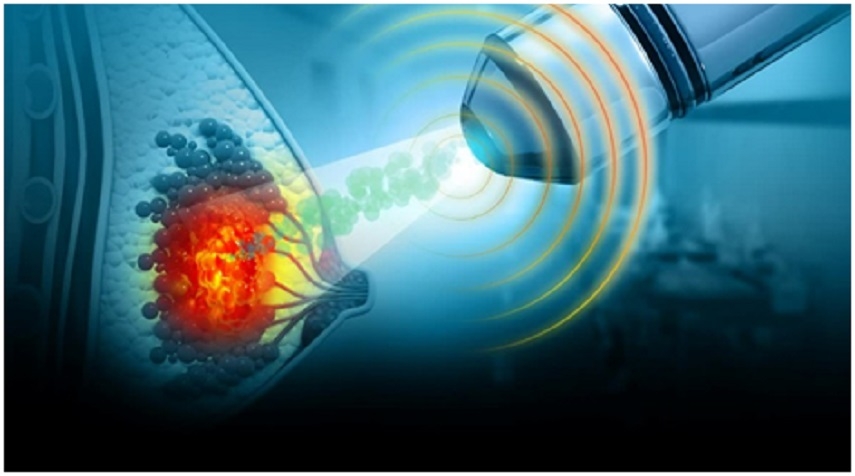
For a long time, breast cancer surgery came with a stark equation: remove the cancer, sometimes along with the entire breast and numerous lymph nodes in the armpit. The priority was to control the disease, even if the operation left a woman facing swelling, restricted movement, numbness or permanent changes to her body.
Today, advances in imaging, surgical techniques and treatments given before surgery are making it possible to tailor operations more precisely. Surgeons can achieve effective cancer control while preserving as much normal anatomy and function as is safely possible.
“As oncologists, our task is not to perform more and more surgical removals but rather to manage cancer while trying to save as much of the patient's normal anatomy and physiology as possible,” says Dr. Venkatesh Babu, Consultant Surgical Oncologist at HCG Cancer Hospital, Double Road, Bengaluru.
The operation is planned around the cancer and the patient, with attention to what happens both during treatment and after it.
Keeping The Breast When Medically Appropriate
One of the most important developments is breast-conserving surgery. Instead of removing the entire breast, the surgeon removes the tumour along with a margin of surrounding tissue. For suitable patients, this can provide effective cancer control while preserving much of the breast.
Breast conservation is not appropriate for everyone, and radiotherapy is generally part of the treatment plan. When appropriately selected and combined with radiotherapy, breast-conserving surgery offers survival outcomes comparable to mastectomy for many women with early-stage breast cancer. But removing the tumour is only part of the surgical challenge. Surgeons must also consider how the breast will look after healing. This is where oncoplastic breast surgery can help.
According to Dr. Nashi Semitha, Specialist - Surgical Oncology, Aster RV Hospital, Bengaluru, “Oncoplastic surgery is a combination of techniques of cancer removal and principles of plastic surgery. The surgeon removes the tumour with adequate margins and reshapes the remaining breast tissue in the same procedure. This can help preserve breast shape and improve symmetry, depending on the procedure.”
Mastectomy remains necessary or preferable in some cases. The choice depends on factors such as tumour size and extent, disease characteristics, treatment response and the patient's circumstances. Removing Fewer Lymph Nodes
Some important advances are taking place in the armpit, where lymph nodes can help doctors determine whether breast cancer has spread. Traditionally, many patients underwent axillary lymph node dissection, which involves removing numerous lymph nodes. Although this remains necessary in selected cases, it can increase the risk of lymphoedema (or persistent arm swelling) as well as numbness, discomfort and restricted shoulder movement.
Today, many women are candidates for sentinel lymph node biopsy. The surgeon identifies and removes the first lymph nodes to which cancer is most likely to spread from the breast. If these nodes are clear, further removal may not be necessary, depending on the clinical circumstances. For women whose lymph nodes contain cancer, treatment before surgery can sometimes reduce or eliminate detectable disease. In selected cases, targeted axillary procedures may then help avoid a full lymph node clearance.
More Precision In Surgery
Modern breast cancer surgery increasingly draws on information gathered before the operation. Imaging, tumour type, receptor status, relevant genetic factors and response to treatment can all influence the plan. Treatment given before surgery, known as neoadjuvant therapy, may shrink a tumour or reduce cancer in the lymph nodes. For some women, this can make breast-conserving surgery possible when a more extensive operation might otherwise have been considered.
Wireless localisation techniques can also help surgeons identify tumours or areas of concern that are difficult to feel, particularly after treatment has reduced their size. Localization may assist in surgical planning by identifying the exact area to be excised and thereby help to prevent unnecessary tissue removal. Dr Semitha says that rehabilitation and emotional wellbeing should be part of the treatment journey. Returning to work, managing family responsibilities and resuming daily activities are important aspects of recovery, alongside medical follow-ups and test results.