Abhyanga Snan Is The Diwali Ritual For A Refreshing Start To The Festival
Total Views |


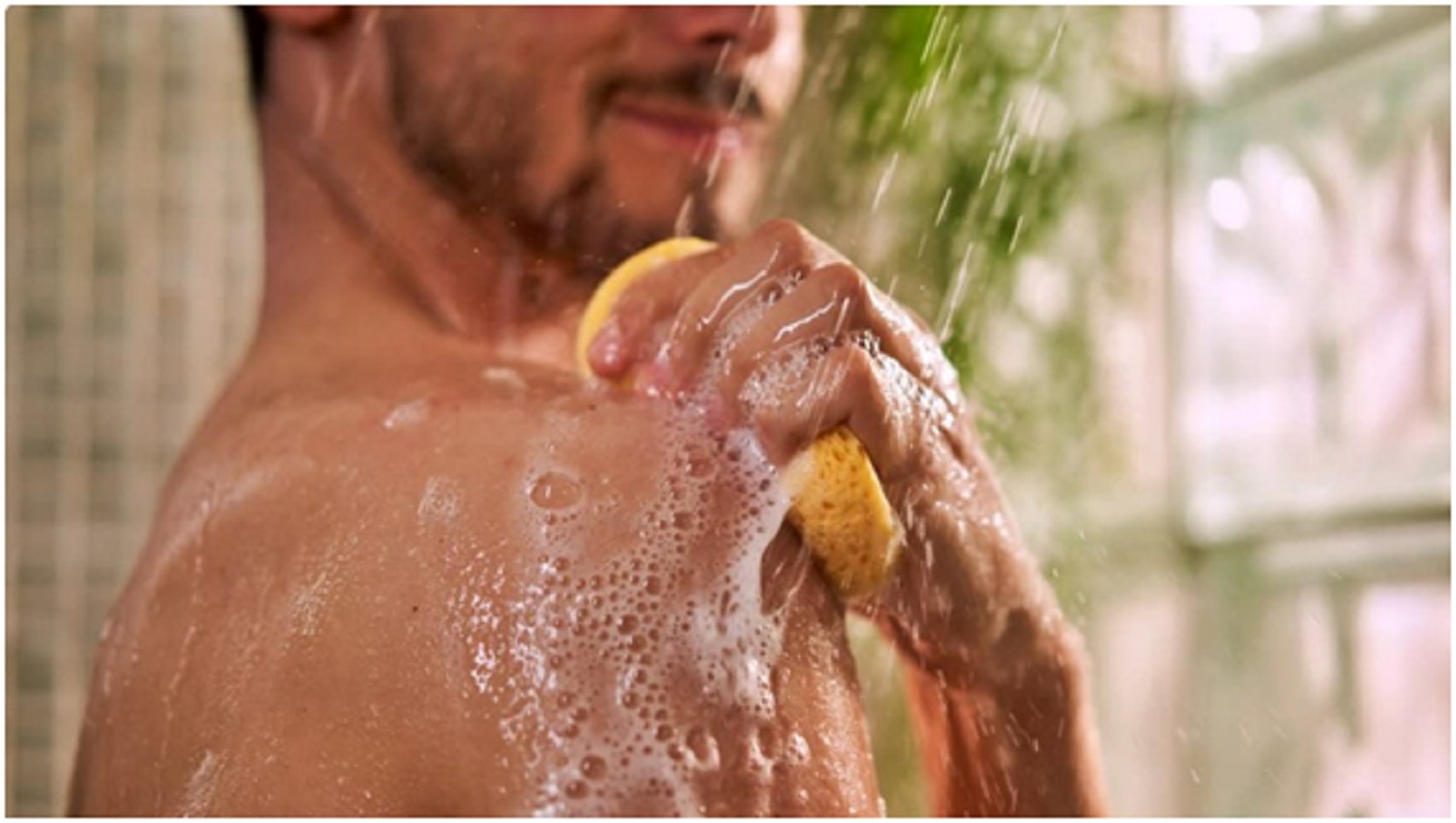
Diwali mornings can be chaotic but before the festivities take over, there is one ritual that asks you to slow down. Abhyanga Snan is the traditional oil bath performed on Naraka Chaturdashi (or Chhoti Diwali). It involves massaging the body with oil, applying a traditional herbal paste called utane/ ubtan, and bathing before sunrise. It is a familiar part of Diwali celebrations in various states, with elders often applying warm oil to younger family members before the bath.
What Is Abhyanga Snan?
The word Abhyanga refers to oil massage, while Snan means bathing. Together, they describe a ritual in which warm oil is massaged onto the body before a bath, often accompanied by the application of a traditional herbal paste. In Ayurveda, Abhyanga is part of Dinacharya, the recommended daily routine, and is also discussed in the context of seasonal practices. Traditional preparations commonly use sesame oil, although other oils may be chosen according to individual needs and customs.
Woman showering
In Ayurveda, Abhyanga is part of Dinacharya, the recommended daily routine (Getty Images)
Many families do the ritual during Brahma Muhurta, the auspicious time before sunrise. The start time depends on local customs and the festival calendar.
Regional Traditions That Make It Special
In Maharashtra and Goa, Abhyanga Snan is often a family affair. Elders apply warm oil and utane to younger members, and some households follow the custom of crushing a bitter fruit under the foot to symbolise the defeat of Narakasura. In parts of South India, the ritual is known as Ganga Snanam. Families bathe before sunrise, with the water traditionally regarded as sacred on that morning. In some households, the greeting “Ganga Snanam Aachha?” asking whether someone has had their ritual bath is part of the festive exchange.
In North Indian traditions associated with Roop Chaudas, the emphasis may fall more strongly on cleansing, beauty and preparing to welcome the blessings of Diwali. The details differ, but the common thread is renewal: caring for the body as part of preparing for the festival.
What Can Abhyanga Snan Do For Your Health?
According to traditional Ayurveda, Abhyanga balances Vata dosha, supporting the body and calming the mind. These are concepts within the Ayurvedic framework, not established biomedical measurements.
From a modern skincare perspective, there are some plausible benefits to the oil massage itself.
The right oils can soften dry skin and help prevent moisture loss.
Gentle massage may also feel relaxing and temporarily ease the sensation of muscle tension.
Claims of Abhyanga Snan being a detoxifying, lymphatic draining, or medical condition treating method should not be taken as a scientific fact. The body already has organs, including the liver and kidneys, that process and eliminate waste.
The ritual's most dependable everyday benefits are moisturising the skin, taking time to relax and creating a meaningful pause before a busy day.
How To Perform Abhyanga Snan At Home
You do not need a complicated collection of herbs or an elaborate spa setup. A simple, careful routine can preserve the spirit of the tradition.
Step 1: Wake up before sunrise.
The pre-dawn hours of Naraka Chaturdashi are observed by many families. Maintain your family traditions and local festival calendar.
Step 2: Warm the oil gently.
Abhyanga is traditionally performed with sesame oil. Heat a small amount until comfortably lukewarm, not hot. Prior to using it, check the temperature, especially if you'll have children or elderly family members involved.
Step 3: Massage gently.
Rub the oil into the body wi``````````````````````````````````````th soft and pleasa````````````````nt strokes. Notice dry areas like the arms and the legs and feet. Avoid vigorous massage over painful joints, inflamed skin, wounds or areas affected by a medical condition. Allow the oil to remain on the skin briefly if comfortable.
Step 4: Use ubtan if it suits your skin.
Traditional preparations may contain gram flour, turmeric, sandalwood and other ingredients. Use a gentle formulation and avoid vigorous scrubbing. Natural ingredients can still irritate the skin, particularly if you have eczema, sensitive skin or allergies. If you are trying a new preparation, test a small area beforehand rather than experimenting across your face and body on the morning of a major celebration.
5: Take a warm bath.
Rinse off the oil and paste with warm water that feels comfortable. Stay away from hot water, which can be drying. Be especially careful in the bathroom, since oil can make the floor slippery.
Step 6: Put on fresh clothes and continue with your prayers.
Many families complete the ritual by wearing new or fresh clothes applying tilak lighting diyas and offering prayers. Customs differ across regions and households, so there is no single version that everyone must follow.
There are a few precautions worth remembering:
Avoid oils or herbal pastes that irritate your skin, and do not use very hot oil or water.
Anyone with a skin condition, allergies or specific medical concerns should seek professional advice before trying new preparations.
As a Diwali tradition, it can be a lovely reminder that wellbeing deserves a place alongside celebration. So this Naraka Chaturdashi, if Abhyanga Snan is part of your family tradition, make time for it.