KISHAU DAM: WHEN DEVELOPMENT MEANS LOSING HOME, HERITAGE AND GENERATIONS OF MEMORIES
“Where Will We Go? Who Can Give Us Back Our Land, Our Gods, Our Ancestors and Our Memories?”
Total Views |


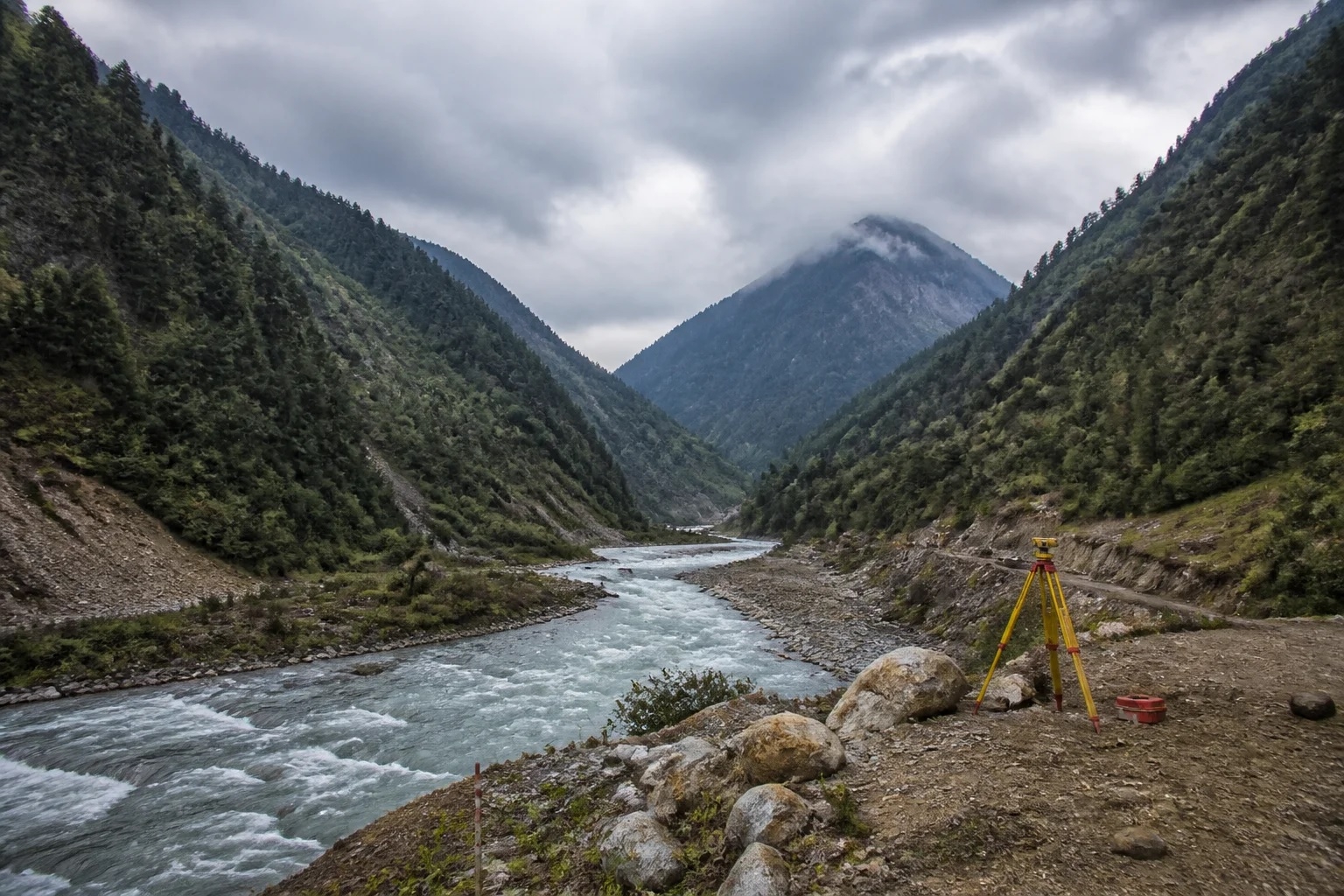
Dehradun/Sirmaur : As the proposed Kishau Multipurpose Project moves forward on the Tons River along the Uttarakhand-Himachal Pradesh border, an intensely human question is emerging from the villages that could be affected:
Where will we go if the land of our ancestors disappears beneath the water?
For governments, the Kishau project represents water, irrigation and electricity. On September 15, 2026, six states signed an agreement to advance the long-pending project. The Centre says the project is intended to provide major irrigation, drinking-water and hydropower benefits.
But for families living in the affected Himalayan villages, the story is not simply about megawatts, hectares or millions of cubic metres of water.
It is about home.
According to Kishau Corporation's published project information, approximately 2,950 hectares would be submerged—1,498 hectares in Himachal Pradesh and 1,452 hectares in Uttarakhand. Its figures identify 17 villages in the submergence area and say 5,498 people would require rehabilitation.
Behind those numbers are generations of human lives.
These are lands where families were born and raised; where their parents and grandparents cultivated fields; where children learned the traditions of their community; and where temples, festivals, customs and relationships with the mountains and rivers became part of their identity.
For these villagers, leaving does not simply mean changing an address.
How do you relocate a memory?
How do you compensate someone for the soil where their ancestors lived?
Where do they take the temple and the faith that have protected their community for generations?
And when an ancestral village disappears, where do future generations return to and say, “This is where we came from”?
Those fears are already visible on the ground. Women from Kwanu recently gathered at a Mahasu Devta temple, appealing for protection of their ancestral land and livelihood. Residents have raised concerns about displacement, rehabilitation, compensation and the future of agriculture, horticulture and livestock-based livelihoods.
The anxiety has now developed into public protest. On September 24, villagers from the Jaunsar-Bawar and Himachal areas gathered in Kwanu for a mahapanchayat. Reports say many villagers stressed that they were not necessarily opposing the dam itself, but were objecting to its proposed location and height and asking that alternatives be considered to protect their land.
That distinction is important.
The question before the country should not have to be development versus villagers.
It should be whether development can be achieved while giving equal importance to the people who may be required to make its greatest sacrifice.
A house can perhaps be rebuilt elsewhere. Money can compensate for certain physical assets.
But heritage has no market price. Faith has no replacement value. Ancestral memories cannot be reconstructed with concrete.
When a village disappears, India does not lose only houses and farmland. It risks losing a living piece of Himalayan history—its traditions, relationships, stories and cultural identity.
The Kishau project may eventually carry water far beyond these mountains and generate electricity for people who may never see the villages affected by it. But the voices coming from those mountains deserve to travel just as far.
Before asking families to leave the land of their ancestors, their questions deserve clear answers:
Where will we go?
What will happen to our livelihood?
What will happen to our temples and our gods?
What will happen to our heritage and culture?
Where will our children find the memories of their ancestors?
Because for a villager, land is not merely property.
It is identity.
It is heritage.
It is faith.
It is livelihood.
It is memory.
It is home.
And once that home goes beneath the water, no amount of compensation can bring the same village back.