How Much Exercise Do You Really Need To Lower Your Breast Cancer Risk?
Total Views |


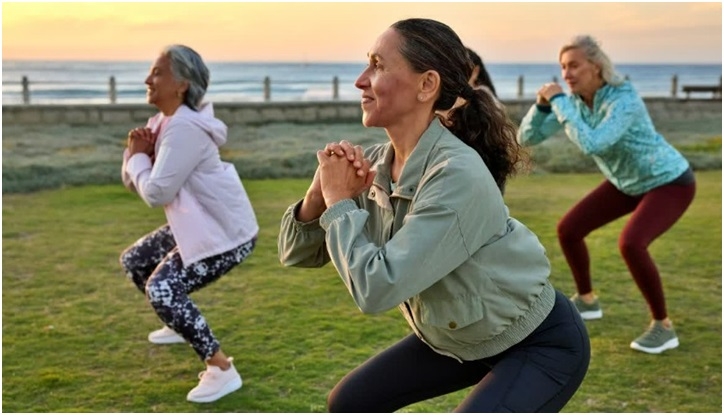
You have a gym membership you don't use. That pair of running shoes sitting in a corner is judging you. You are not alone. Most of us treat exercise like that relative we keep promising to visit. We mean well but we never get around to it. However, staying active may help lower your risk of breast cancer. How much exercise is enough for that?
Dr. Vimalathithan N S, Senior Clinician, Surgical Oncology at Gleneagles-Fortis Hospital, Chennai, says exercise is not a magic shield. “Exercise does not guarantee that every woman will avoid breast cancer,” he explains. What it does is support a healthy body weight and better metabolic health. Those factors may help reduce the risk.”
The Magic Number
For adults, the recommended amount is 150 to 300 minutes of moderate-intensity activity every week. Prefer something tougher? Then aim for 75 to 150 minutes of vigorous-intensity activity. That sounds like a lot until you do the math. A 30-minute brisk walk on most days gets you there. That's less time than one episode of your favourite web series. You can spread it across the week. Your body does not care whether you do it in one go or in pieces. Strength training matters too. Aim for two days a week. It fits into almost any lifestyle, with or without a fancy gym.
What Counts As Exercise?
You don't need a personal trainer. Walking, cycling, swimming and dancing all count as moderate or vigorous exercise. That means your shaadi-season sangeet practice counts. So does dancing in your living room when nobody is watching. The intensity matters, though. A slow stroll while checking WhatsApp is not the same as a brisk walk where you feel your heart working.
Even small everyday movements add up. Take the stairs instead of the elevator. Walk short distances instead of driving. Do some gardening. Stand up regularly during long hours of sitting.
Why Does It Work?
Research suggests physical activity may lower breast cancer risk in more than one way. It helps you maintain a healthy body weight. But it also affects hormones, metabolism and inflammation, all of which play a role in how cancer develops.
Surgical oncologist Dr. Vimalathithan N S says that the link between activity and lower risk is strongest after menopause. But don't take that as an excuse to wait. Being active is good for your health at any age. The earlier you start, the better.
Exercise Is Not Everything
Now comes the part many people skip. Exercise is only one piece of a bigger puzzle. Age, family history, inherited genetic changes and reproductive history also affect breast cancer risk. You can't control these, and that's why exercise cannot replace breast cancer screening. It also cannot replace a visit to the doctor if you notice anything new or unusual in your breasts. Fit women still need their mammograms.
Haven't Exercised In Years? Start Here.
If you are not active right now, relax.
You don't need to begin with brutal workouts. In fact, that's the fastest way to quit by day four.
Start with walks or any activity you actually enjoy. Then slowly increase the time and effort.
Small wins keep you going. Big ambitions without a plan usually end up as guilt.
Remember, the goal is to make movement a regular part of your life, like brushing your teeth or checking your phone. So tonight, or tomorrow morning, put on those running shoes. Step out for a walk, just for 30 minutes.