Canada Models Hypothetical US Invasion, Plans To Copy Afghan Mujahideen's Tactics In Fighting Americans
Total Views |


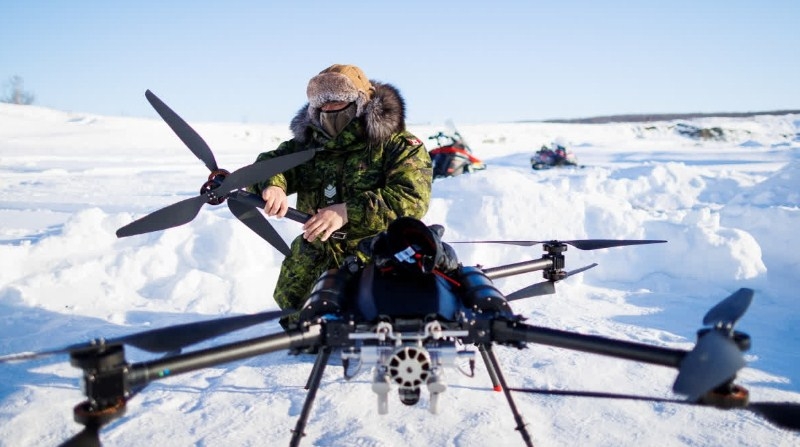
Canadian armed forces plan to fight invading US forces the way Afghan Mujahideen fought against Russian and American invasion in Afghanistan, in case Washington decides to attack Canada, says a report in Canadian media.
The Globe and Mail report 'Military models Canadian response to hypothetical American invasion' published on Tuesday quotes unidentified officials who say that the Canadian Armed Forces have modelled a hypothetical US military invasion of Canada and the country's potential response.
The model, according to an unidentified official in the report, includes tactics used by the Afghan Mujahideen in their hit-and-run attacks on Russian soldiers during the 1979-1989 Soviet-Afghan War.
"These were the same tactics employed by the Taliban in their 20-year war against the US and allied forces that included Canada. Many of the 158 Canadian soldiers killed in Afghanistan from 2001 to 2014 were struck by improvised explosive devices or IEDs," says the report.
Such insurgency tactics are aimed at imposing mass casualties on US occupying forces, the official is quoted as saying in the report.
While Canada believes any such invasion by the US is not on the cards, it is also wary of President Donald Trump repeatedly musing about making Canada the 51st US state.
The report says that it is believed to be the first time in 100 years that the Canadian Armed Forces have created a model of an American assault on the country, a founding member of the North Atlantic Treaty Organization (NATO) and a partner with the US in continental air defence.
Military planners, the report says, are modelling a US invasion from the south, expecting American forces to overcome Canada’s strategic positions on land and at sea within a week and possibly as quickly as two days.
They envision an invasion would follow after clear signs from the US military that the two countries’ partnership in the North American Aerospace Defence Command (NORAD), was ending.
Canada would have a maximum of three months to prepare for a land and sea invasion, the report says, quoting a senior Defence Department official.
"The first indications that invasion orders had been sent would be expected to come from U.S. military warnings that Canada no longer has a shared skies policy with the United States...This rupture in the joint defence agreement would likely see France or Britain, nuclear-weapon states, being called on to provide support and defence for Canada against the US," it says.