Experts Call For Greater Awareness And Acceptance Of Mental Health Issues
Total Views |


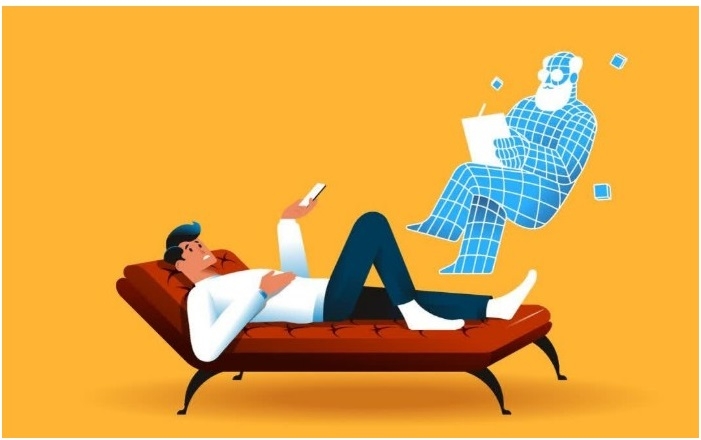
Misconceptions surrounding psychiatric illnesses must be dispelled, and society needs to adopt a more humane and informed approach towards mental health, said renowned psychiatrist Dr Savita Malhotra.
Distancing oneself from people suffering from mental health conditions is wrong, she said. The doctor stressed that psychiatric illnesses can be completely treated with proper medical care. Dr Malhotra also warned that excessive cell phone usage among children could lead to symptoms of what she termed "virtual autism."
Dr Malhotra, the current National President of the Indian Psychiatric Society, is the only Indian to have received the prestigious Eve Pelicier Prize from the World Association for Social Psychiatry. She shared her views in an exclusive interview with Eenadu–ETV Bharat while attending a conference in Hyderabad.
She spoke about societal attitudes, pointing out that families readily offer emotional and financial support when someone suffers from heart or kidney ailments. They frequently check on their recovery. However, when it comes to mental health issues, people tend to panic, isolate themselves from the patient, and withdraw support.
"Mental illnesses should be treated like any other medical condition," she said, adding that this mindset urgently needs to change. Expressing concern over rising suicide rates, Dr Malhotra noted that India records the highest number of suicides globally, with around 21 deaths per lakh population every year. Mental health disorders are often a key factor, she said, with cases rising significantly after the COVID-19 pandemic. Young people and children are particularly vulnerable due to academic pressure, job insecurity, family conflicts, and stressful lifestyles.
She further observed that changing social structures are also contributing to mental health issues. The shift from joint to nuclear families, increasing migration for education and employment, and the erosion of traditional support systems have left many individuals without emotional outlets. Environmental pollution, she added, is another contributing factor.
On treatment and stigma, Dr Malhotra emphasised that mental illnesses are treatable, just like physical ailments. Unfortunately, patients are often ostracised, and even psychiatrists face social ridicule. "Brain-related illnesses should not be treated differently from heart or kidney problems," she said. She called for an end to discrimination and restrictions imposed on patients’ ability to work and lead normal lives.
Addressing medical education, Dr Malhotra said psychiatry courses in many medical colleges still follow outdated syllabi. She stressed the need for curricula that reflect advances in neuroscience, brain function, and neural circuitry. The Indian Psychiatric Society, she said, is working towards introducing updated and super-specialty courses in psychiatry.
Warning about excessive screen time, Dr Malhotra said cell phone addiction has become a serious concern. Children below three years of age should not be exposed to mobile phones at all, as it may lead to symptoms of “virtual autism,” including poor response, reduced concentration, and delayed speech development. Even for older children, screen time should be limited to 10–15 minutes a day under adult supervision, focusing only on educational and age-appropriate content.
To ensure healthy physical and mental development, she advised parents to encourage children to engage in outdoor play and real-world activities. "Children need to experience the real world of colours and movement. Only then can we safeguard them from future mental health problems," she said.