Regional Flavours Are Rising As New Heroes Of Indian Wedding Menus : Sanjeev Kapoor
Total Views |


Walk into a modern Indian wedding today, and you’ll notice something immediately. No, not the drone camera or the imported flowers. Not even the bride’s fourth outfit change. It’s the food! Gone are the days when every wedding menu looked like a copy-paste job: paneer in three avatars, pasta trying too hard to be Italian, and a dessert counter that felt like a sugar warehouse. Today’s couples are doing something different. They are choosing food that comes from where they come from.
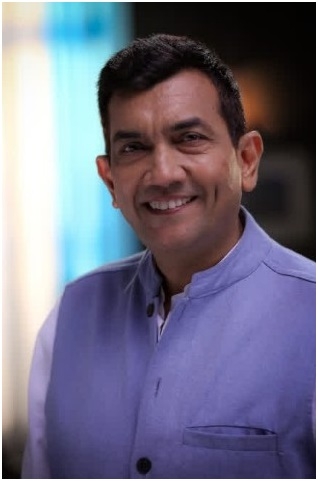
“For years, wedding menus followed one golden rule: keep it safe. Don’t offend anyone. Don’t surprise anyone. Feed people efficiently and move on. But today’s couples are breaking that rule,” celebrity chef and co-promoter of bespoke culinary experience Kestone Utsav, Sanjeev Kapoor told ETV Bharat in an exclusive interview. With his new venture, the chef aims to create wedding experiences that are not only luxurious but also soul-stirring.
Kapoor says that instead of all-purpose spreads, shaadi menus now carry stories: recipes from family kitchens, flavours from hometown streets, dishes that once lived only in Sunday lunches or grandmother’s notebooks. The goal isn’t to impress with quantity but to connect with meaning.
Regional Food Is No Longer A Token Dish
Earlier, regional food appeared briefly (usually at the main wedding lunch) like a formality that had to be completed. The rest of the events stuck to generic “wedding food.” Now, regional cuisine flows through every function. For example, Bengali nuptials bring kosha mangsho simmered patiently, chitol muitha, fragrant rice dishes, and sweet corners filled with freshly prepared sandesh rather than factory-made boxes.
However, this trend is not about simply recreating everyday home meals exactly as they are. It’s about elevation. “Traditional flavours now arrive with thoughtful presentation: brass vessels, banana-leaf platters, hand-painted ceramics, and soft lighting that makes the food feel cultural rather than themed. The dishes remain authentic, but the setting respects the occasion,” says Kapoor.
Menus Are Now Designed Function By Function
Another big shift is that menus are no longer overwhelming master lists. Every function has its own personality... and its own food. “Mehendi events often lean into playful street foods linked to family tastes. Cocktail nights adopt progressive tasting formats inspired by different regions. Wedding lunches return to ceremonial plating, with courses served in a sequence that actually makes sense,” says the celebrity chef.
Dessert spaces, too, have grown up. Instead of endless counters, guests find chirotas, bebinca slices, payasam shooters, and miniature rasgulla platters (familiar sweets presented with restraint).
Why Guests Are Loving This
Food, more than décor or entertainment, delivers that emotional connection. It reaches everyone equally. It speaks across languages and generations. When guests taste flavours they grew up with, conversations start automatically. Someone remembers a childhood holiday. Someone else asks for the recipe. Younger guests discover cuisines they’ve never tried, while elders feel respected instead of sidelined. Food stops being a pit stop between ceremonies and becomes part of the celebration itself. Weeks later, guests may forget the table centrepieces but they’ll remember that incredible kosha mangsho or that appam counter.
With many weddings becoming more intimate, the focus has shifted completely. Every plate arrives hot. Every dish retains its texture. Service becomes precise instead of rushed.